Salty & Clever
Food, Place & Sourcing
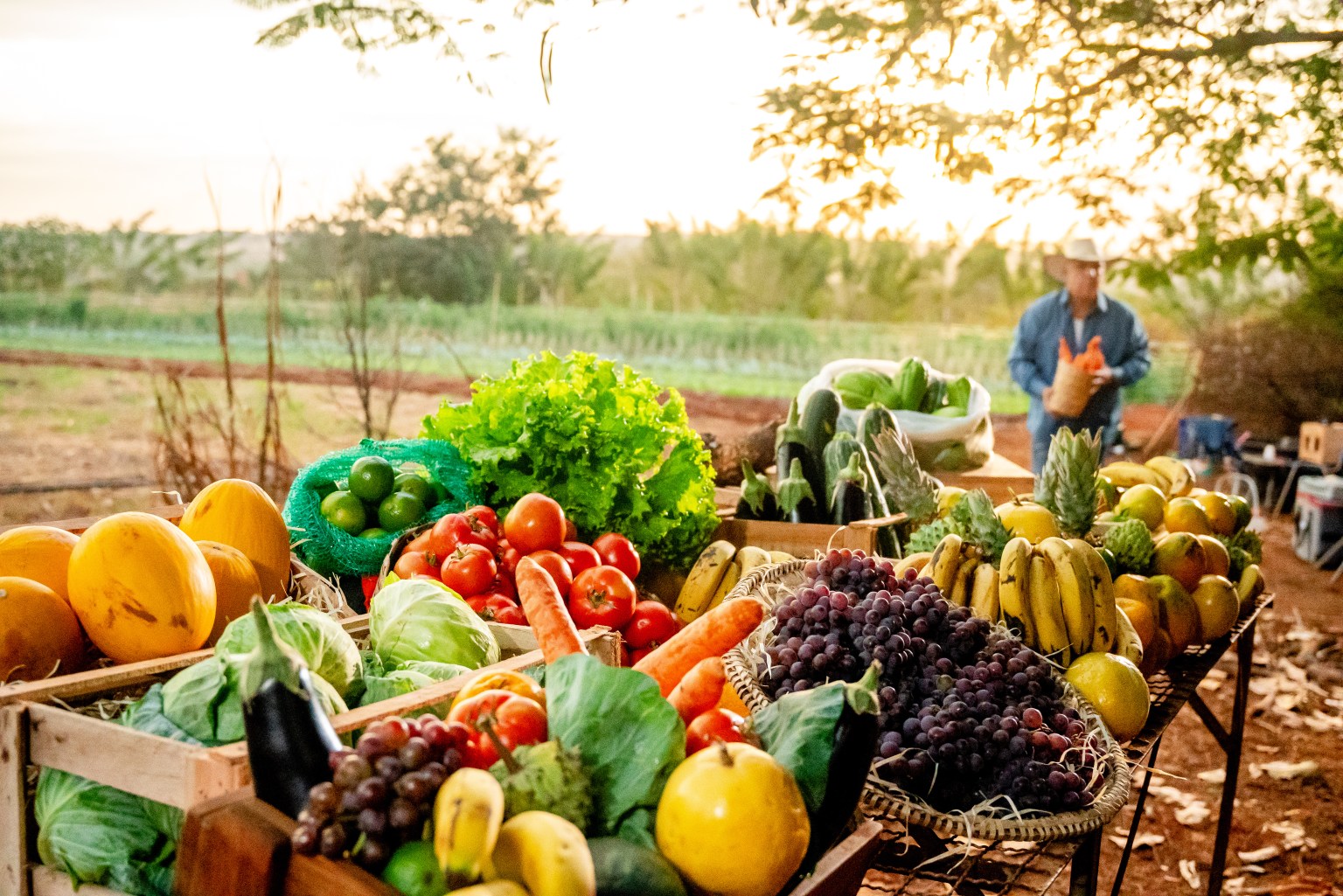
Two people cook the same recipe and get two different dinners. The recipe is rarely the reason.
An August tomato and a February tomato share a name and very little else. Butter varies by how much water is hiding in it. A fish that was frozen twice on the way to you will never behave like one that was not, however carefully you treat it. So sourcing is not a moral position on this site. It is the variable that decides whether what you made tastes like what you were promised.

What changes when the source changes
This is the practical half. What to look at when the thing is in front of you and you have thirty seconds to decide. When a season actually opens, as opposed to when a magazine announced it. What a substitution costs you, and the more useful question of what it does not cost you — because sometimes the swap is fine, and sometimes the jar is genuinely the right call. Nobody here is going to make you feel bad about the jar.
Sourcing advice written for a city with four year-round markets is close to useless in a town where the market runs June through September and then everyone goes back to the grocery store. Which is most of the country, and is certainly Montana. The seasonal window matters more the smaller your options are, and so does knowing what freezes well, what does not, and what is worth driving for once.
Place, without the costume
Regional food writing goes wrong at the moment the place turns into decoration — a wide landscape shot doing work that a technique should be doing. The useful version is narrower. What a region actually built and why it built it that way. Who is still making it. What the mill, the fishery or the dairy down the road does differently from the one two valleys over, and whether that difference shows up on a plate.
Drinks belong in this too. What a distillery does with grain grown within sight of the still is one of the more interesting things happening in food right now, and the nonalcoholic producers are doing work that deserves the same attention rather than a polite footnote.
The honesty part
Nothing here will invent a visit. No tasting that did not happen, no interview that was not conducted, no claim to local authority in somebody else’s valley. Anything that can change — a market’s hours, whether a farm still sells direct, when a fishery opens — gets dated and gets rechecked, because a sourcing tip that quietly expired two seasons ago is worse than no tip. History and cultural lineage get named specifically and sourced, never romanticized into mood.
Where to go from here
When the question stops being where it came from and turns into how to cook it, that is Recipes & Technique. Working lists and field kits sit in the Resource Pantry, and the evidence standards behind any claim made on this page are written out in How We Judge.