The One Drink and the No-Drink
Scene Stealer: Roasted Apricot, Chamomile, and Sumac Sour
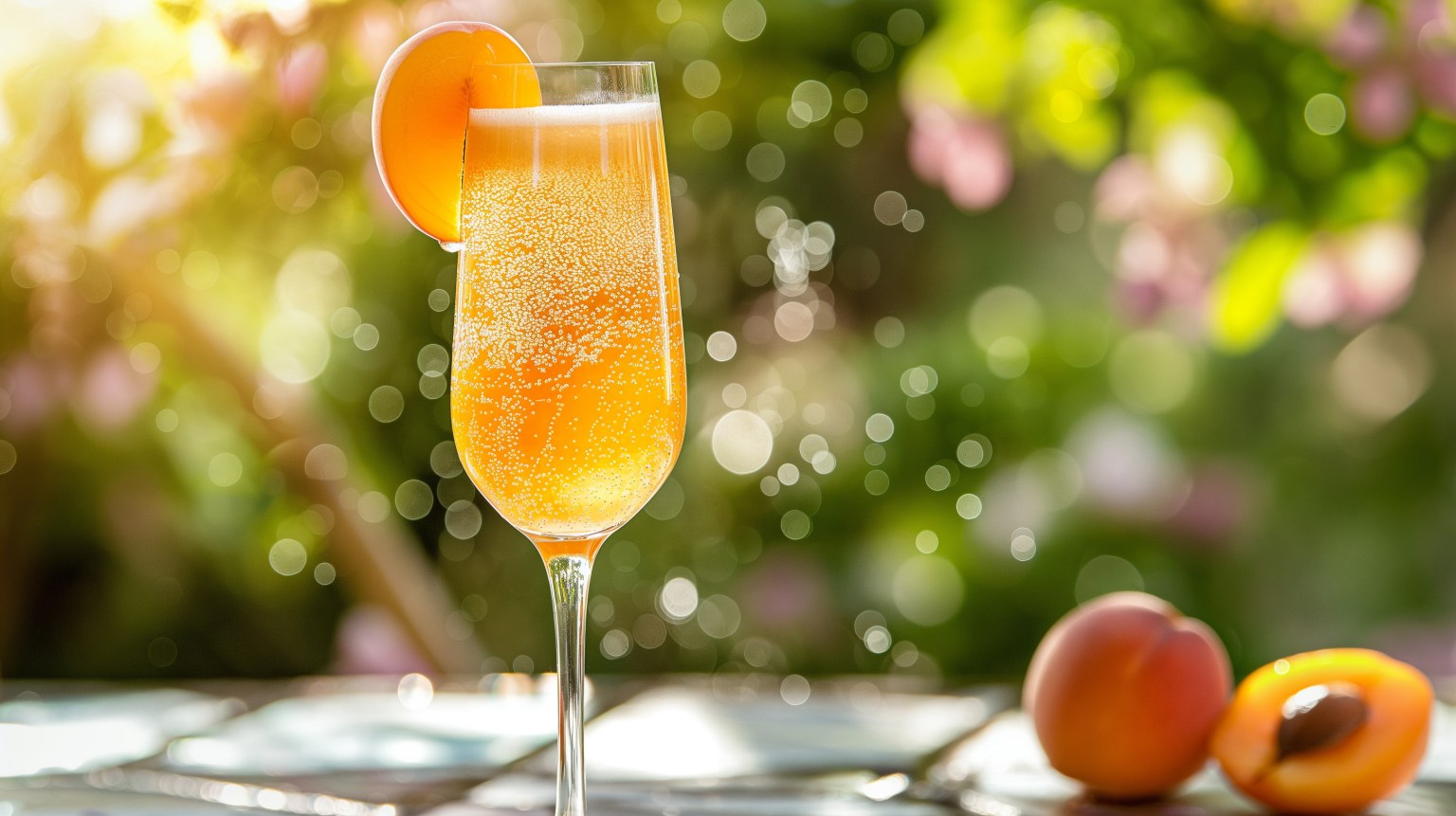
Twelve minutes at 425 is the whole difference between apricot and apricot-flavored. Everything else in the glass is there to keep the fruit from getting comfortable.
The parts that change whether this works tonight.
- Yield
- 1 drink
- Time
- Prep 15 minutes
- Equipment
- oven, blender, shaker, fine strainer
- The method
- 7 ingredients · 4 steps
From this recipe’s own recipe card. Nothing here is a guess.
Serve alongside
Salted pistachios and a wedge of feta under olive oil. Sumac and apricot are already a Levantine pairing, and salt is what keeps a zero-proof sour from reading as fruit juice with foam on top.
Tools
Oven and a small sheet pan, blender, shaker, jigger, fine strainer. The shaker has to be genuinely grease-free, which in practice means washed in hot soapy water rather than rinsed, because any trace of oil will kill the foam before it starts.
Ingredients · swaps in parentheses
Ripe apricots (peaches, with less honey), chamomile, lemon, honey syrup, aquafaba, ground sumac, salt, coriander seed (optional).
Magic
Reverse the shake. Instead of dry-shaking first, shake everything with ice until cold, strain the ice out, then shake the cold liquid again with nothing in the tin for fifteen seconds. Whipping an already-chilled liquid builds a denser, finer-bubbled foam than whipping a warm one, and it sets rather than collapsing, so the sumac line you dust across it still looks deliberate ten minutes later. Same ingredients, same measures, different order. Not feeling brave? Dry-shake first as written below and add fifteen seconds to it.
Gotcha
Aquafaba from a can of chickpeas that has been open in the refrigerator for four days will not whip. Use it the day you open the can, and use the liquid from unsalted chickpeas if you can find them, since the salted kind pushes the drink somewhere it was not going.
Twelve minutes at 425 degrees is the entire difference between apricot and apricot-flavored. Raw apricots, even good ones, are mostly water and politeness. Roasting drives off some of that water, browns the sugars at the cut edge, and turns a mild stone fruit into something with color and perfume and enough concentration to lead a drink rather than accompany one.
The rest of the build exists to keep that fruit from getting comfortable. Chamomile softens the edges. Sumac brings a dry, berry-like tartness that lemon cannot supply. The aquafaba cap is pale, which makes the orange underneath look more saturated than it is, and that is a legitimate trick.
Small glass, strong instincts, the concentrated gesture Room for Drama keeps asking for.
Roasting the apricots
Halve two ripe apricots and roast them cut-side down at 425°F for about 12 minutes, until fragrant and softened. Cool and blend. Fine-strain if the skins leave a coarse texture.
Cut-side down is not fussiness. The exposed flesh against hot metal is where the browning happens, and skin-side down gives you steamed apricots instead. Do a whole tray while the oven is on; the puree freezes well in an ice tray and the leftovers go on toast or yogurt without needing a plan.
Drink details
Prep time: 15 minutes
Makes: 1 drink
Glassware: chilled coupe
Equipment: oven, blender, shaker, fine strainer
Ingredients
- 1 1/2 ounces roasted-apricot puree
- 1 ounce strong chilled chamomile tea
- 3/4 ounce fresh lemon juice
- 1/2 ounce honey syrup
- 3/4 ounce aquafaba
- 1/4 teaspoon ground sumac
- 1 pinch salt
The pour, drawn to scale
- roasted-apricot puree1 1/2 ounces33%
- strong chilled chamomile tea1 ounce22%
- fresh lemon juice3/4 ounce17%
- honey syrup1/2 ounce11%
- aquafaba3/4 ounce17%
Building it
- Dry shake. Everything into a clean shaker without ice. 15 seconds.
- Chill. Add ice and shake again until cold.
- Strain. Double-strain into the chilled coupe.
- Garnish. One narrow line of sumac dusted across the foam.
Brewing the chamomile
Strong and brief. Use twice the leaf you would for a cup of tea and pull it at three minutes rather than steeping it longer at normal strength. Chamomile that has sat gets a heavy floral quality that turns the drink drowsy and slightly perfumed, which is the usual failure mode for chamomile cocktails.
Sumac is a texture problem as much as a flavor one
A quarter teaspoon dissolves into the shake and reads as a dry, tart, faintly fruity edge that sits alongside the lemon rather than duplicating it. More than that and it stops dissolving, and you get a fine grit that settles on the tongue. The dusted line on the foam is a separate and much smaller amount, and it is there for aroma and for the look.
Glass and ice
A chilled coupe, no ice in the drink. A foam needs a cold glass to hold its shape, and a warm coupe will have the cap sagging before it reaches the table. If you want a version without foam, that is a legitimate drink and it wants one large cube in a rocks glass instead.
Batching
Combine apricot puree, tea, lemon, honey, sumac and salt for four drinks and refrigerate four hours. Add aquafaba and shake each portion individually.
The aquafaba genuinely cannot be batched in; a pitcher containing it will foam once, in the pitcher, and never again. Four drinks is also an honest ceiling for a shaken foam drink made by one person, and past that number I would serve the still version and keep my shoulder.
If someone wants it with alcohol
Two ounces of a soft aged rum or a blanco tequila, with the honey cut to a third of an ounce. Bourbon also works and pushes it toward autumn. But the roasting and the chamomile are already giving this drink the depth that a spirit is usually brought in to provide. That is the bar this category should be held to, and it clears it.
When it goes wrong
Jammy. More lemon, or more tea.
Weak foam. Longer dry shake, and check the shaker for grease.
Gritty. Fine-strain the puree and cut the sumac.
The final scene
Concentration is what earns the lead role, and concentration in fruit is mostly a matter of removing water and applying heat. Twelve minutes does that. Chamomile, sumac, lemon and a pale cap of foam then stand around the apricot without crowding it, which is the harder half of the job and the part that takes taste rather than an oven.
Part of Drinks & Zero-Proof.
Where this goes next
