The One Drink and the No-Drink
Tasting a Drink You Are Making Is a Different Skill From Tasting One Somebody Hands You
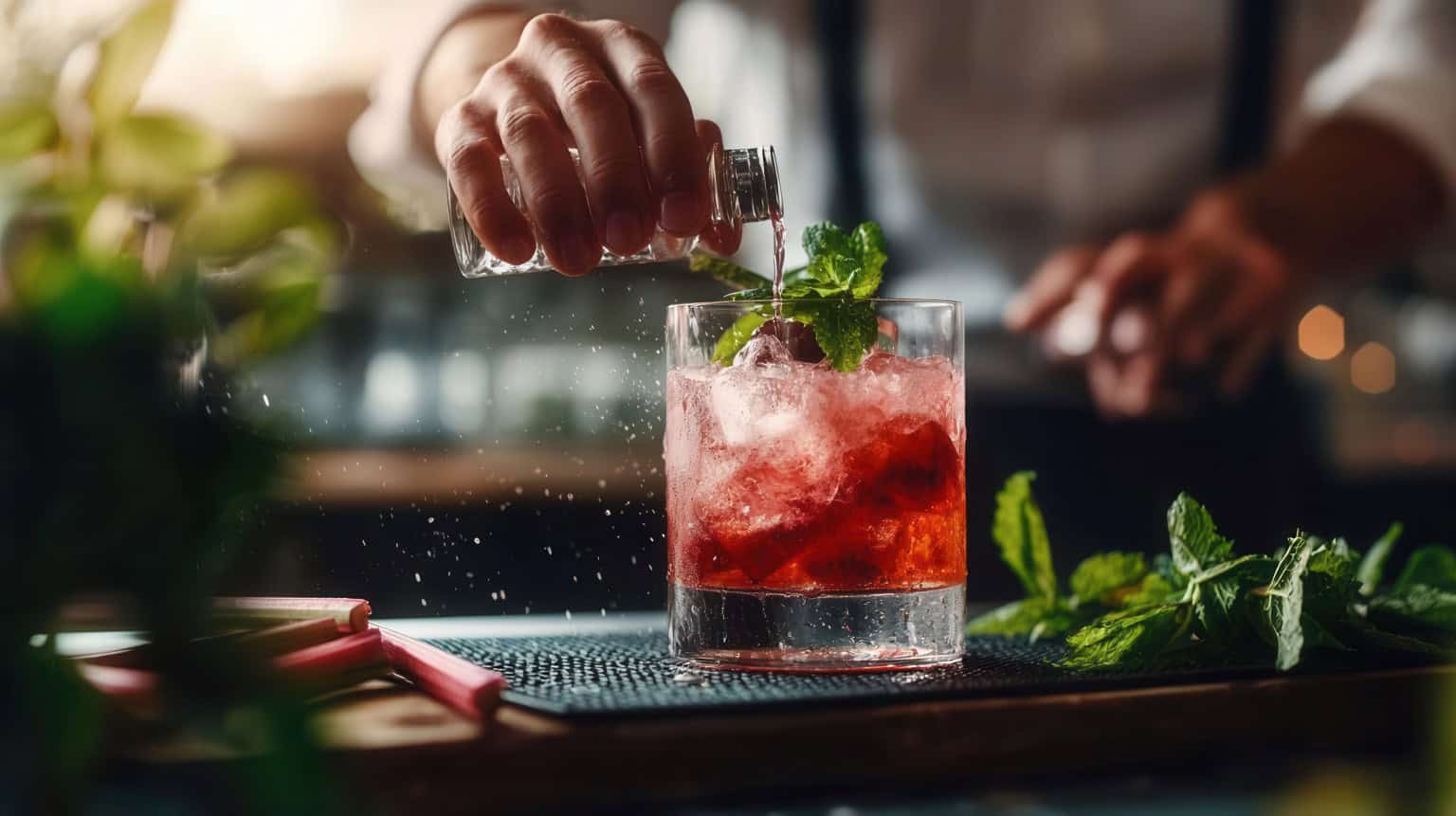
A drink gets tasted at the wrong temperature, in the wrong dilution state, by a palate that has already tasted it twice, and then adjusted on the basis of that. Then it gets served, and it is nothing like the thing that was tasted.
Tasting your own drink mid-build is a procedure, and it has an order, and the order exists because some corrections cannot be taken back.
The sample has to match the drink, which mostly means temperature and water
Taste from a mixing glass and you are tasting something colder and less diluted than what will eventually reach a mouth. Taste from a batch jug at room temperature and you are tasting something warmer and far less diluted. In both cases every judgment you make is about a drink that does not exist.
Temperature moves the two flavors you are most likely to be adjusting. Cold suppresses the perception of both sweetness and bitterness, substantially. Sourness is much less affected. So a batch that tastes correctly balanced warm in a jug will taste sour and thin once it is cold in a glass, and a batch that tastes slightly too sweet at room temperature is very often exactly right over ice.
The rule that fixes all of it: taste from a small glass, with ice in it, at the dilution you will actually serve. It costs you an inch of the batch. It is the only sample that tells you anything.
Correct in this order and do not skip ahead
First dilution. Ask whether the drink is thin or hot before you ask anything else, because this is the only correction that cannot be reversed. Water goes in and it does not come out. A drink that is too strong is fixable at any point. A drink that is too dilute is finished and you are starting again.
Second acid, because acid moves more of the drink than anything else. It suppresses the perception of sweetness, it sharpens aroma, it sets the pace. Get acid right and you will find that half the things you were going to fix have fixed themselves.
Third sugar, and usually downward if you can, or by adding something with body rather than something sweet. Sugar is where people go wrong and where the whole sugar trap opens up.
Fourth bitter, because it is slow. Bitterness takes several seconds to fully arrive and considerably longer to clear, so a bitter correction tasted immediately reads as too small and gets doubled.
Fifth aroma and salt, both at the end, both in tiny amounts, both transformative. Salt in particular belongs last because it changes how you perceive everything above it.
The order is not arbitrary. Each step changes the perception of the ones before it, and it runs from least reversible to most.
One variable, then wait, then taste again
Change one thing. Stir it in properly. Wait ten seconds. Then taste.
The waiting is the part that gets skipped and it matters because different tastes arrive at different speeds. Sour is nearly instantaneous. Sweet is fast. Bitter is slow and builds. Astringency from tannin builds over several sips, not one. Taste immediately after an addition and you are reading the first two and missing the rest.
And take a proper sip rather than a wetted-lip taste. Much of what you are judging arrives retronasally, through the back of your nose as you swallow, and a tiny taste on the tip of the tongue gets almost none of it.
Your palate stops working after three tries and does not tell you
Adaptation is fast and real. Three consecutive tastes of the same sweet thing and your sensitivity to that sweetness has dropped noticeably. The same happens with sour, and it is why the fourth correction in a row is always too aggressive.
So reset. Plain water at room temperature, not cold water, because cold numbs. A bite of plain bread works better than water for anything fatty or bitter. And leave thirty seconds between serious assessments, which feels absurd standing at a counter and is the difference between a drink you fixed and a drink you chased.
If you have corrected three times and it is still not right, stop. You are no longer tasting the drink, you are tasting your own recent history with it. Walk away, do something else for ten minutes, come back.
Your palate is not the room’s palate
The last one is uncomfortable. You have been tasting this thing for twenty minutes and you have adapted to all of it. The people arriving at seven have not.
Before you batch anything for a crowd, have one other person taste it cold, from a glass, without being told what you are worried about. Ask what they would change, not whether they like it, because the second question has only one polite answer.
This matters most for bitterness and for sugar, which are the two dimensions where personal tolerance varies enormously. What reads as pleasantly bitter to somebody who drinks amaro reads as medicinal to somebody who does not, and the host is almost always the person in the room with the most trained palate and therefore the worst calibration for everybody else’s.
Part of Drinks & Zero-Proof.
Where this goes next
