The Guest Who Arrives Forty Minutes Early and the One Who Arrives an Hour Late Are Two Different Emergencies
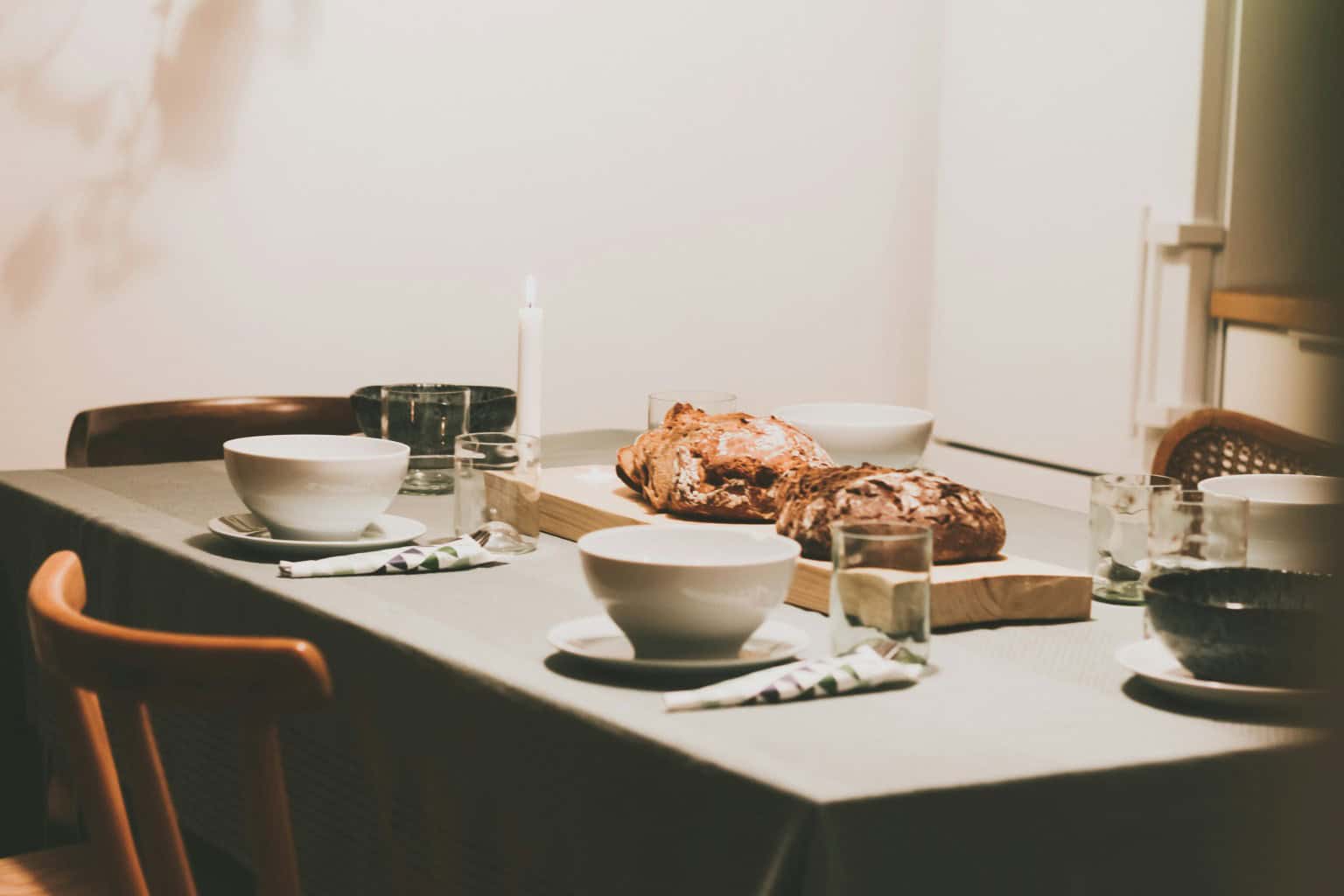
Both of these happen at almost every party, both of them are treated as rudeness, and neither is. They are failures of the same system, they land at opposite ends of the evening, and the correct response to each is nearly the opposite of the correct response to the other.
The early guest is not being rude, they are being anxious
Nobody arrives forty minutes early because they are relaxed about it. They arrive early because they were worried about parking, or about being late, or because they left a buffer for a journey that turned out to be easy, and now they are standing on your step holding a bottle while you are barefoot with a wet towel over your shoulder.
They already know. The apology is going to be the first thing out of their mouth. Whatever you do next decides whether this is a funny story at nine or a small unresolved awkwardness that both of you carry all evening.
Do not tell them it is fine and then visibly speed up. They can see you speeding up. What actually works is to give them a job, immediately and specifically, and the job must be real. Cut this. Fill that pitcher. Find me the good scissors. Open this and pour us both one.
A job converts a spectator into a participant, and it removes the one thing that is genuinely uncomfortable about arriving early, which is watching someone work while you stand there. It also buys you a pair of hands for the worst twenty minutes of the night.
What does not work is sitting them down in the good room with a drink and a bowl of something and going back to the kitchen. You have now put a person in solitary confinement and gone back to work, and they will sit there listening to you cook.
The structural fix is in the invitation, and it is one word
Most early arrivals are caused by an invitation that named a single time. Seven o’clock reads to a certain kind of person as a deadline rather than a window, and the people who read it that way are the ones who will be there at six fifty.
Say from seven. Two words instead of one and it moves the whole distribution. Or say the thing that is actually true: drinks from seven, food around eight. Now there is a shape to the evening and nobody is guessing, which is the entire argument for answering every question before anyone leaves the house.
And if you genuinely cannot be ready before a specific time, say that too. Please not before seven, I will be in the shower. People find this funny and they comply, and it is better than the alternative.
The late guest is a different problem, because it is not their problem
The person who arrives an hour late is causing almost no difficulty for themselves. They are causing it for the eight people who have been holding off on eating, and for the host who has been managing a piece of meat past its window.
So the rule is unambiguous and most hosts break it: do not hold the meal. Serve at the time you said you would serve.
Holding dinner punishes eight people for one person’s timing, and it does a particular kind of damage, because everyone at the table knows why they are waiting. The conversation gets thin. Somebody checks their phone. The host keeps going to the window. And the food is now worse, because almost nothing improves in the forty minutes between when it was ready and when it gets eaten.
Serve. If the late guest is arriving during dinner, they join at the course in progress and you plate them a first course to eat alongside, which takes ninety seconds and means nobody is watching them catch up.
The one exception, and how to give yourself the option
There is one case for waiting and it is when the late guest is the reason for the dinner. Otherwise, build the menu so that waiting is cheap.
This is a design decision made days earlier, not a decision made at eight fifteen. A braise, a stew, anything slow, anything that sits: those give you a flexible half hour and cost nothing. A roast, a risotto, fish, anything with a crust, anything dressed: those have a service window measured in minutes and you have effectively scheduled an emergency.
If you know one guest is habitually late, and you almost always do know, that is a menu instruction. Cook something that waits. Then the lateness is a non-event rather than the structure of your evening, which is worth more than any conversation about punctuality you could possibly have.
Neither of them should be mentioned
The last rule covers both ends. Do not remark on it.
The early guest apologized at the door and does not need it referenced again. The late guest knows exactly how late they are and is already braced for it. Bringing it up a second time, even lightly, even as a joke, converts a small logistical wobble into the thing everybody at the table is now thinking about.
Take the coat. Hand over a drink. Point at a chair. The evening moves on immediately, which is the only outcome anybody wanted.
Part of Hosting & Service.


