The Wedding Dessert Table That Refused to Behave
A dessert-table plan that handles heat, cutting, replenishment, dietary labeling, and the fact that pretty sweets still need to survive service.
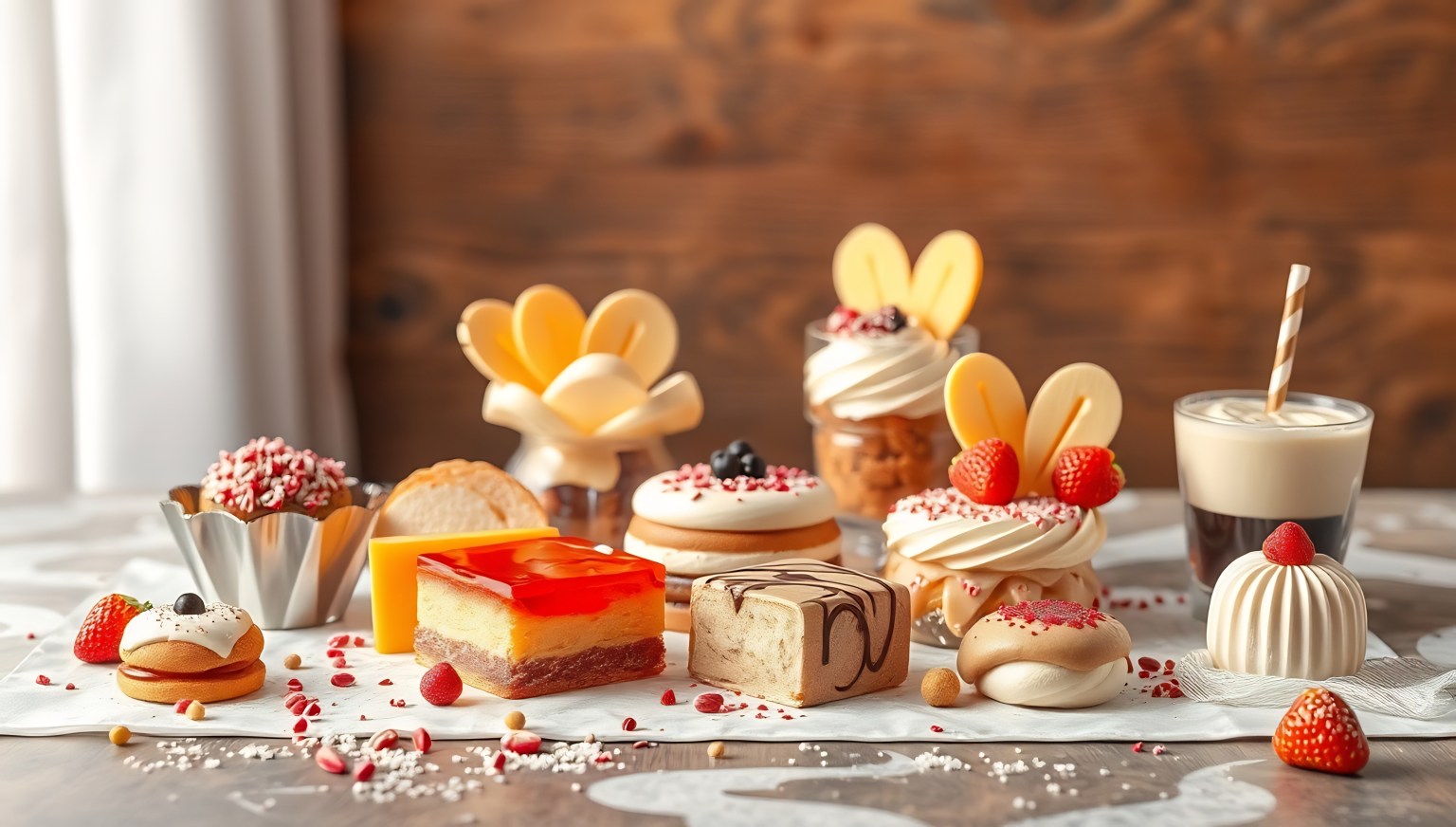
A dessert table can be genuinely beautiful and still be operationally ridiculous — a macaron tower that’s slumped by hour two, a cream tart that’s turned to soup under warm lighting, a cake nobody assigned anyone to actually cut. The photograph taken at 6 p.m. is not the same table guests encounter at 9, and most dessert table failures happen because nobody planned for that gap.
Choose desserts by service behavior, not just looks
Every dessert has an opinion about temperature, humidity, and time, whether or not anyone consulted it. Buttercream softens and slides in warm rooms. Chocolate blooms or melts. Cream fillings need real refrigeration and don’t forgive an outdoor summer reception. Meringue turns tacky and weeps in humidity. Fresh fruit oxidizes and weeps its own kind of moisture into anything sitting beneath it. Frozen desserts need a plan for the exact moment they leave the freezer, not an assumption that they’ll hold.
Build the table from three categories: stable hand-held sweets that can sit out for hours without supervision (cookies, shortbread, most bars), one or two high-impact showpieces that earn their visual real estate, and anything genuinely temperature-sensitive only if the venue can actually support keeping it cold or protected. If the venue can’t refrigerate mid-event, that dessert doesn’t belong on this table no matter how good it looks in the tasting.
Do not display the entire inventory at once
A table that looks abundant doesn’t need to hold every dessert made for the event simultaneously. Put out roughly what looks generous and inviting, hold the rest properly backstage — refrigerated, covered, out of direct light — and replenish as the display empties or degrades. A tray refreshed at the ninety-minute mark looks better than the same tray that’s been sitting under warm lights the whole time, slowly drying out and looking less appealing with every passing photo someone takes of it.
This also solves the problem of running short: a full backstage reserve means the table never visibly depletes to nothing, and the freshest pieces are always the ones on display.
Make portions and dietary information obvious
Pre-cut anything that benefits from it — bars, tarts, sheet cakes — so guests aren’t guessing at portion sizes or fighting with a knife that isn’t there. Provide clean serving utensils per dessert, not one communal spoon working across six different textures. Label common allergens and dietary variations clearly and accurately: gluten-free, nut-free, dairy-free, whatever actually applies. Nobody at a wedding should need to interview three people to figure out which tart is safe for them to eat.
Plan the cut-and-clear moment in advance
If there’s a cake, decide ahead of time who cuts it, where that happens, and how the resulting portions actually make it back to the table or into guests’ hands. This sounds obvious until it’s 8:45 and nobody knows whose job it was. Assign someone — a coordinator, a member of the catering staff, a designated friend — to also handle clearing: collapsing displays, emptied platters, crumb-covered stands. A dessert table that’s beautiful at hour one and neglected by hour three tells a worse story than a smaller table that stays tidy the whole night.
What actually holds up
If you want a genuinely low-risk dessert table: shortbread and butter cookies, dense fudgy bars that don’t need refrigeration, a simple pound cake that slices cleanly, and one showpiece dessert that’s either served immediately after the toast (so it doesn’t have to sit) or is genuinely stable at room temperature for hours (a well-made fruit tart with a proper glaze, for instance, holds far better than one with loose cream filling). Save the truly delicate, temperature-sensitive pieces for a plated dessert course where they’re served and eaten within minutes, not displayed for an entire reception.
Dessert tables work when the food is chosen for the room it will actually inhabit for hours, not only for the photograph taken before anyone’s eaten a bite.
Part of Hosting & Service.


