The One Drink and the No-Drink
A Pairing Has to Have a Job, or It Is Just Two Things on the Same Table
Most pairings are decoration, and that is fine until someone spends a whole evening on them. The question worth asking first is what the drink is supposed to be doing about the food.
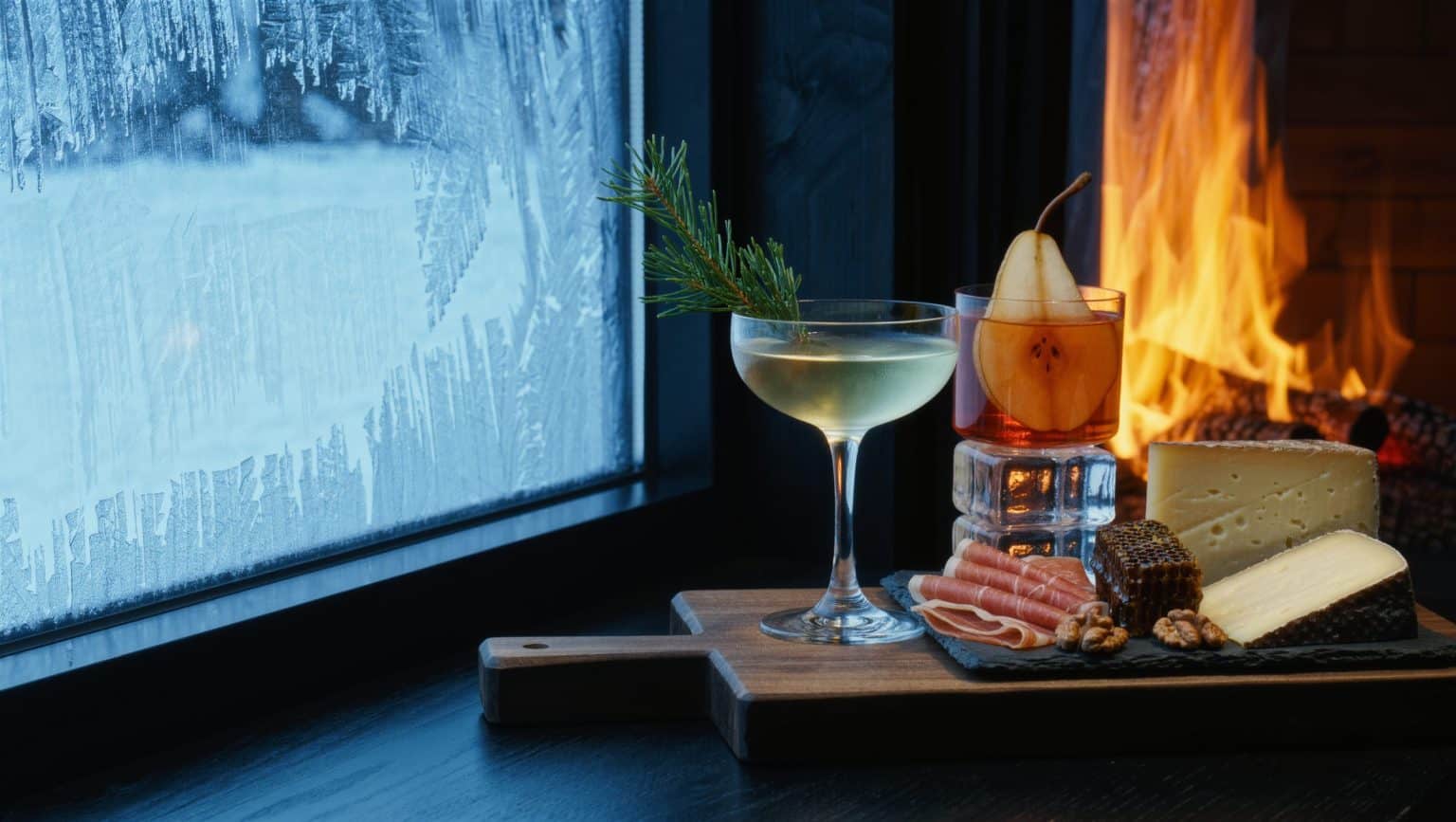
Pairing gets discussed as though every dish has a correct partner waiting to be discovered, and as though failing to find it is a small act of negligence. In practice most food and most drinks get along adequately, a few combinations are genuinely unpleasant, and a small number are transformative.
The useful question is not what goes with this. It is what do I want the drink to do about the food, and is anything actually required. A pairing that cannot answer the first half is decoration, which is allowed, and a pairing that cannot answer the second half is work you did not need to do.
Weight is how you avoid the obvious disasters and it is the first filter. This is the question underneath it.
There are four jobs, and a pairing is doing one of them or none
A drink can cut. Acid and tannin work against fat and richness, scraping the palate clean between bites so that bite eight is as good as bite one. This is the most common real job and the easiest to feel.
A drink can cushion. Sweetness and fat soften heat, salt, and bitterness. This is why an off-dry wine works against chili heat and why a lassi sits next to a curry.
A drink can extend. Sharing an aromatic family with the dish makes the whole thing read as longer and more coherent, rather than as two separate experiences. This is the one that goes wrong most often, because extending is not the same as matching, and two components doing an identical job cancel rather than compound.
And a drink can reset. Bubbles, cold, and bitterness clear the palate so that the next course arrives on a clean slate. This is the least glamorous job and often the most valuable across a long meal.
If your pairing is not cutting, cushioning, extending, or resetting, it is not doing anything. That is fine when the drink is good and the food is good. It is not fine when you have bought four bottles and made a card for the table, and it is why a table with one bottle on it is a compatibility problem rather than a pairing one.
Pairing matters at the extremes and almost nowhere else
Here is the part the wine world has no incentive to say. The more balanced a dish is, the less a pairing can add, because there is nothing left to correct.
A well-made roast chicken with a squeeze of lemon and a green salad is already handling its own fat and its own brightness. Almost any sensible drink will be fine beside it, and the effort spent choosing among them buys very little.
Where pairing genuinely earns its keep is when a dish is extreme in one direction. Very fatty food needs something to cut. Very spicy food needs something to cushion, and it is actively harmed by the wrong choice. Very salty or very sweet food distorts whatever it is next to. A dish with aggressive bitterness or heavy smoke will bully a delicate drink into nothing.
So the working rule is to spend your attention where the food is loud, and stop pretending the moderate courses need the same care. At a home dinner, that usually means one considered decision rather than four.
The combinations that actually clash
A short list, and these are mechanical rather than aesthetic.
Tannin and chili heat amplify each other. Tannin and alcohol both increase the perceived burn of capsaicin, so a big tannic red alongside a properly spicy dish makes both worse, and the more you drink to cool down the hotter it gets. What actually blunts capsaicin is fat, dairy, sweetness, and cold. This is the single most reliably ruined pairing at a dinner table.
Dry drinks beside sweet food come out badly. If the food is sweeter than the drink, the drink reads as thin, sour, and stripped. A dessert wine is not an indulgence, it is a requirement, and the rule generalizes: the drink should be at least as sweet as what it is sitting next to.
Oily fish and high-tannin red wine produce a genuinely metallic aftertaste, and the culprit appears to be the iron content of the wine rather than anything mystical. This is the rare case where the old white-wine-with-fish advice is pointing at something real, though it is about tannin and iron rather than color.
Umami-heavy food increases the perception of bitterness and astringency. Mushrooms, aged cheese, cured fish, tomato, and soy all make a tannic drink taste harsher than it did on its own. Salt works in the opposite direction and softens tannin, which is why a salty cheese rescues a wine that seemed severe.
And artichoke will make the next thing you drink taste oddly sweet, thanks to a compound that temporarily interferes with how you register sweetness. It is not your imagination and there is no clever pairing around it. Serve artichokes with water, or accept it.
Zero-proof changes which job is available
A non-alcoholic drink can cut, cushion and reset perfectly well. Extending is harder, and the reason is structural rather than a failure of imagination.
Without alcohol carrying aroma and holding the finish, a drink tends to arrive and leave before the food has finished, so it cannot hold a shared aromatic thread the way a wine does. Buying that length back with bitterness, tannin, salt and fermentation is the whole craft, and a drink built that way pairs like a real one.
The practical consequence for a host is that the zero-proof option should be chosen for the cutting and resetting jobs, where it is genuinely as good, rather than asked to mirror a wine it cannot structurally imitate.
The host cost nobody prices in
A per-course pairing at home is not primarily a taste decision. It is a service decision, and it costs glassware, pouring, tracking who has what, and your attention during the exact window when the food needs it.
Four pairings for eight people is thirty-two pours and a second set of glasses, arriving at the same moments you are plating. The plating line is already a capacity limit, and a pairing schedule is the most common thing to bolt onto it without checking whether there was room.
One well-chosen drink that works across the whole meal, with water genuinely available and one good zero-proof option, beats an ambitious flight that arrives late and warm. If you want one moment of pairing theatre, make it a single course, pour it yourself, and say one sentence about it. That lands harder than four cards on a table.
The version worth keeping
Ask what the food is doing to excess. If the answer is nothing much, pour something good and move on, because there is no correct answer waiting and no credit for finding it.
If the answer is fat, reach for acid or tannin. If it is heat, reach for sweetness, fat, or cold, and keep tannin away from it. If it is sweetness, the drink has to be sweeter. If it is a long meal, prioritize the reset over everything else.
And if the pairing is not doing any of those jobs, it is not a bad pairing. It is a nice drink, which was always enough.
Part of Drinks & Zero-Proof.


