The One Drink and the No-Drink
When One Bottle Has to Work for the Whole Table, Pick for Acid
A dinner with four dishes and one bottle is not a pairing problem, it is a compatibility problem, and the wine that survives contact with the most things has one thing in common.
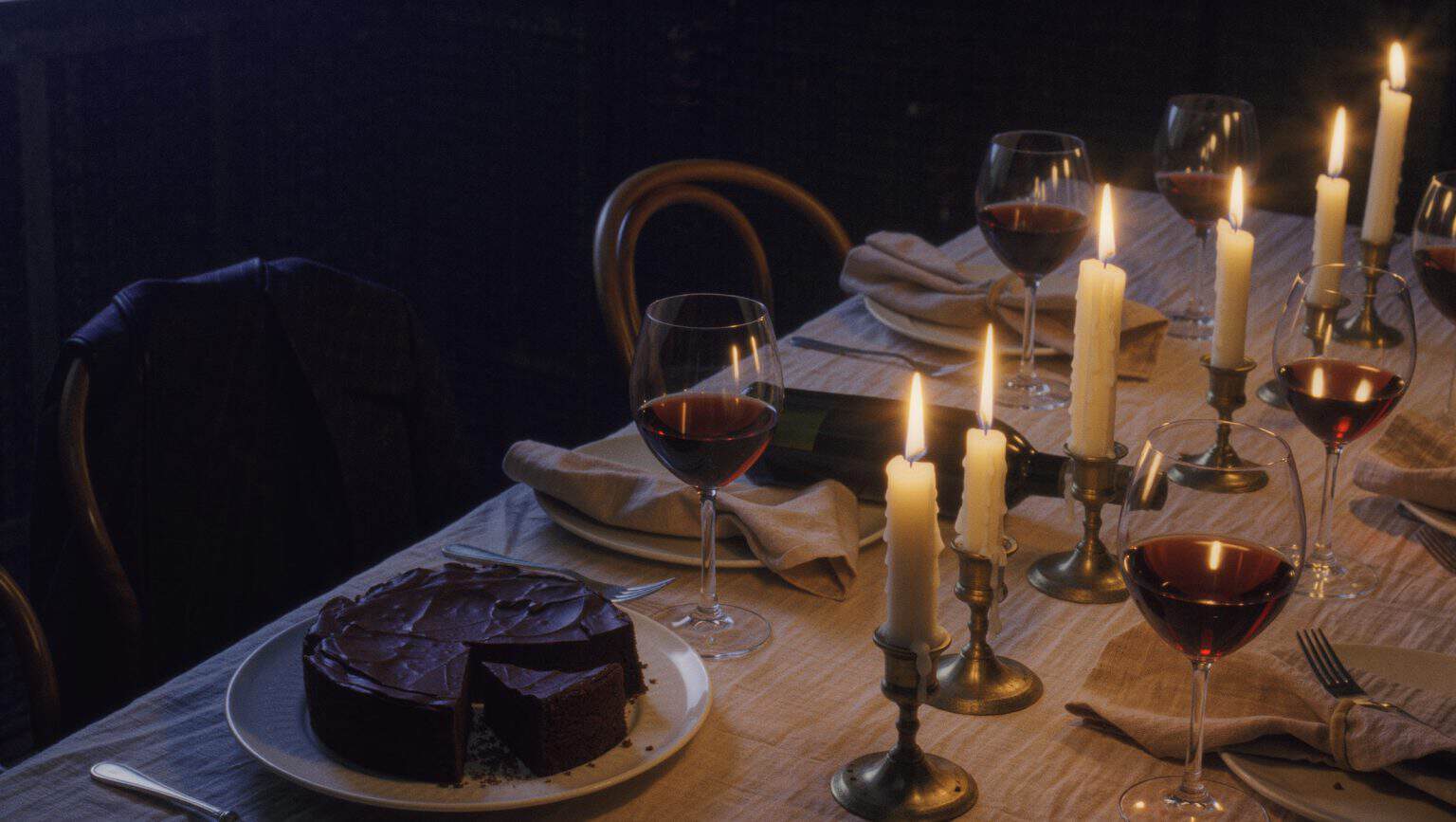
Pairing advice assumes a tasting menu: one dish, one wine, a new glass for the next course. A real dinner is four things on the table at once, somebody brought a salad, and there is one bottle.
That is not a pairing problem. It is a compatibility problem, and it has a much simpler answer, because the question changes from which wine is best with this to which wine is least likely to fight anything.
Acid is what makes a wine compatible
A wine with real acidity does the same thing at the table that a squeeze of lemon does in a pan. It cuts fat, resets the palate, and takes the reset job rather than competing for attention.
Which means it can sit next to a rich thing, a green thing, a salty thing and a sweet-ish thing without any of them making it taste wrong. A high-acid wine is flexible by construction.
The wines that fail at a mixed table are the ones built on something other than acid: big tannin, high alcohol, conspicuous oak, or residual sugar. Each of those is a strong position, and a strong position is a thing that can clash.
The four qualities to look for, in order
High acid. The whole argument above. Cooler-climate wines generally have more of it.
Moderate alcohol. Somewhere in the twelves rather than the fifteens. High alcohol reads as heat at the table, it amplifies anything spicy, and it tires people out over a long dinner.
Light to moderate tannin. Tannin is astringency, and it is the single most reliable source of a clash — with chile, with oily fish, with anything very salty, and with bitter greens.
Little or no oak. Oak is a flavor of its own and it occupies the same space as the food.
None of this is about price. It is about the wine being a supporting structure rather than a statement.
What that looks like in practice
Among whites: dry riesling, which is the most food-flexible white made and is still fighting a reputation for sweetness. Also Chablis or any unoaked chardonnay, albariño, grüner veltliner, muscadet, dry chenin.
Among reds: gamay, lighter pinot noir, Loire cabernet franc, barbera, frappato, most of what gets sold as a chillable red. Low in tannin, high in acid, and comfortable twenty minutes out of the refrigerator.
And the two genuine cheats. A dry sparkling wine is the most compatible thing on any table, because it has acid and carbonation, which is the purest palate reset available. A dry rosé from somewhere with decent acidity does nearly the same job and costs less.
If the answer to every mixed table seems to be sparkling wine or dry riesling, that is because it mostly is.
The two reliable clashes worth avoiding outright
Not everything is compatible, and two combinations fail mechanically rather than as a matter of taste.
Tannin and heat. Tannin is astringent and capsaicin is a burn, and the two amplify each other into something genuinely unpleasant. A big red with a spicy dish is the single most common mistake at a home table.
Tannin and oily fish. The iron and tannins in red wine react with the fats in oily fish and produce a metallic taste that neither has on its own. This is the actual reason behind the white-wine-with-fish rule, which otherwise sounds like an arbitrary inheritance.
Beyond those two, almost anything works well enough that nobody at the table will be unhappy.
The dishes that decide for you
If one thing on the table is much more assertive than everything else, pair to that and let the rest take care of itself.
Something fatty and rich — pick for more acid, not for more weight. The instinct to match a heavy dish with a heavy wine produces two heavy things.
Something quite sweet in a savory dish — a glaze, a fruit sauce, caramelized root vegetables — needs a wine with a trace of sweetness or it will taste stripped and sour, because the sugar in the food suppresses the sweetness in the wine.
Something very salty pushes a wine to taste fruitier and softer, which is why sparkling wine and salty food is such a reliable combination and why dry sherry with olives and ham works the way it does.
Something with a lot of vinegar in it will make most wines taste flat, since the wine’s own acid is now the weaker one. That is a case for beer, or for accepting it.
How much, and the bottle nobody brings
Roughly half a bottle per drinking adult over a dinner, and a little more if it runs long. Two bottles for four people who drink is comfortable; one is tight.
And the bottle nobody brings is the one for the people not drinking, which has to be made rather than bought. A non-alcoholic drink built with a finish, poured into the same glass as everyone else’s, does the same work at the table the wine is doing: acid, bitterness, a reset between bites. A glass of juice does not, and neither does sparkling water on its own.
Which is the whole of pairing at a real table. One thing that can sit next to anything, in a glass, for everybody.
Part of Drinks & Zero-Proof.


