The One Drink and the No-Drink
Fizz Is Not a Flavor, and It Is the Hardest Thing to Replace
Carbonation is filed under texture and texture is filed under decoration. It is doing four separate jobs, only one of which is texture, and a drink built without accounting for them arrives flat in every sense of the word.
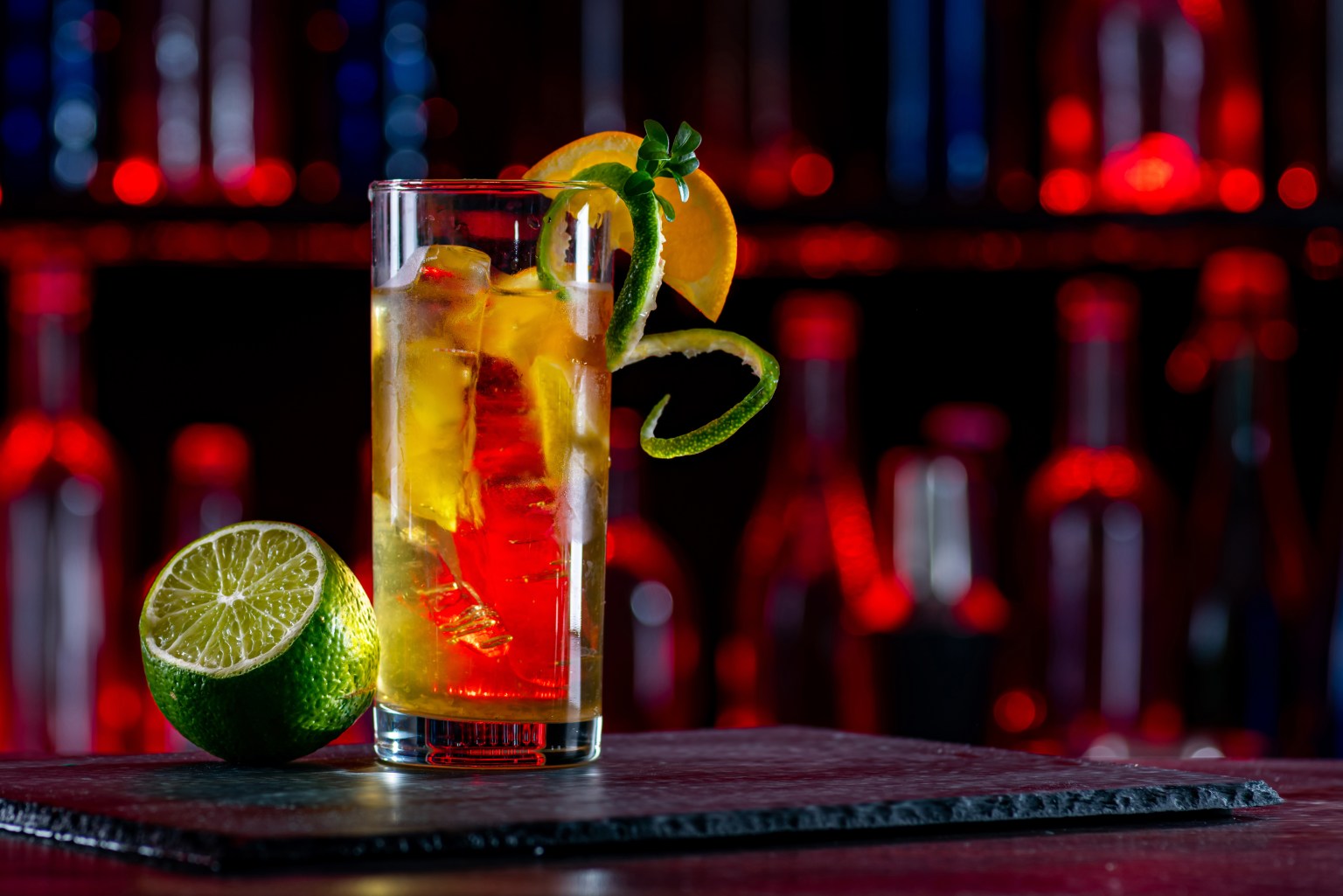
Leave a glass of something sparkling on the counter for an hour and come back to it. It does not taste like the same drink with the bubbles gone. It tastes sweeter, heavier, blunter, and somehow longer in a bad way, as though the ending has been removed and the middle left to fill the gap.
Which is the tell. Carbonation is filed under texture, and texture is filed under decoration, so the standard advice about building a drink treats the fizz as the last thing you add and the first thing you can skip. It is doing four separate jobs, only one of which is texture, and a drink built without accounting for them arrives flat in every sense of the word.
Half the bite is genuine acid
Dissolved carbon dioxide does not simply sit in the water. Some of it reacts to form carbonic acid, and the result is a measurable drop in pH. A glass of plain sparkling water is meaningfully more acidic than a glass of still water from the same tap.
That acidity behaves like any other acid at the table. It cuts richness, it lifts, and it suppresses the perception of sweetness — which is why a soda that tastes balanced cold and fizzy tastes cloying warm and flat. Nothing about the sugar changed. The thing that was hiding it left.
So the first practical consequence: when you add sparkling water to a build, you are not only diluting. You are acidifying, and if the drink was already sharp you have just pushed it past where you wanted it.
The other half is not taste at all
The prickle is a nerve response. Carbon dioxide activates the trigeminal nerve endings in the mouth, the same system that reports the burn of mustard, the heat of chili and the cold of menthol. It is not one of the five tastes. It is mild, pleasant, localized pain.
This is worth knowing because it explains why fizz feels like an ingredient even when there is nothing in the glass but water. You are not tasting anything. You are being lightly stung, and the stinging registers as liveliness, as dryness, as the drink having an edge.
It also explains the ceiling. That response fatigues. The third sip of a heavily carbonated drink reads as less sharp than the first, which is part of why a drink that seemed bracing when poured seems merely sweet halfway down.
Bubbles are an aroma delivery system
Every bubble that breaks at the surface throws a fine spray of liquid and volatile compounds into the air directly under your nose. A sparkling drink is actively pushing its aromatics at you. A still drink is waiting to be sniffed.
This is the largest single reason a carbonated zero-proof drink outperforms the same recipe still. Ethanol is an aroma carrier, and its absence leaves volatiles sitting in the glass with nothing to lift them. Carbonation is the cheapest available substitute for that job — not a perfect one, because it lifts everything indiscriminately and briefly, but a real one.
It also means the aroma is loudest in the first minute and fading from then on. A sparkling drink has a service window as strict as anything that comes out of an oven, and pouring six of them in advance throws away most of what you built.
It scrubs fat, which is why it survives at the table
Acidity plus mechanical agitation makes carbonation unusually good at clearing fat and salt from the palate between bites. This is the mechanism under every pairing that looks like a joke and works: champagne with fried chicken, lager with anything battered, sparkling water alongside a plate of charcuterie.
Of the four jobs a pairing can do, carbonation is the purest expression of reset. It does not add flavor to the meal. It removes the last bite so the next one lands the way the first one did.
Which is also the argument for putting a sparkling option on a table where some people are not drinking. A still zero-proof drink and a glass of wine are not doing the same work next to a rich course. A sparkling one is.
Temperature is the whole of the service problem
Carbon dioxide dissolves better in cold liquid, and its solubility falls off sharply as temperature rises. Every degree the drink warms is gas leaving solution, and once it has left you cannot put it back.
Everything practical follows. Chill the mixer, not just the drink. Chill the glass, because a room-temperature glass is a heat source in direct contact. Build the still part first, get it cold, and add the carbonated part last. Pour down the side rather than into the middle. Do not stir a carbonated drink; lift once with a spoon if it needs it and accept a slight unevenness, because stirring costs more than it buys.
Ice is a complication rather than a help. Every rough surface is a nucleation site, which is why a drink foams over the moment it hits the cubes. Large, smooth, very cold ice sheds less gas than small wet cubes, and a drink poured over ice that has already come down to temperature loses far less than one poured over cubes straight out of the freezer frost.
Sugar and pulp are the quiet killers
Anything with texture in suspension gives the gas somewhere to escape. Muddled fruit, pulp, herb fragments, a sugar rim sliding into the glass — each one is a field of nucleation sites, and a drink built on a base of crushed berries will go flat while you are still carrying it.
The fix is not to abandon the fruit. It is to get the fruit out of suspension before the bubbles arrive: strain the base, or build it as a syrup, so the sparkling component meets a clear liquid rather than a cloudy one. A drink that keeps its fizz for ten minutes is a different drink from one that keeps it for two, and the difference is usually a strainer.
Forced and fermented bubbles are not the same bubble
Carbonation from a tank is pure gas in water. Carbonation from fermentation — kombucha, water kefir, a naturally sparkling cider — arrives with everything else the yeast made: acids, trace alcohols, esters, a faint savory depth, and a bubble that is characteristically finer and more persistent.
For a zero-proof build this is the more useful of the two, because fermentation supplies the acidity and the bitterness and the hint of funk that a fruit-and-sugar drink is short of. A splash of kombucha does a job soda water cannot: it carbonates and it lengthens at the same time.
The trade is control. A fermented mixer brings its own sweetness and its own sourness, both of which vary by batch, so it has to be tasted into the drink rather than measured into it.
What it cannot do
Carbonation buys the attack and it buys the middle. It does not buy a finish.
A drink of juice and syrup and soda water is bright for four seconds and then simply over, and no amount of additional fizz extends it. The things that give a drink length are bitterness, tannin, salt and fermentation — the compounds that keep working after the swallow. Carbonation makes the opening convincing enough that people notice the ending is missing.
So the order of operations for anything sparkling and non-alcoholic is: solve the finish first, with tea or bitters or a brine or something fermented, and add the bubbles at the end to do the lifting. Reverse that and you get a drink that is exciting at the lip of the glass and forgettable by the time it is swallowed, which describes most of what gets served to the person not drinking.
The host version of all this
A pitcher of a sparkling drink is a contradiction. By the second pour it is a pitcher of a still drink with a sugar problem.
Make the base in a pitcher, keep it cold, and carbonate at the glass. It is one extra motion per guest and it is the difference between a drink that arrives and a drink that arrived twenty minutes ago. If the evening cannot absorb that motion, build something still and give it a proper finish instead of trying to fake one with a bottle of soda water and optimism.
Part of Drinks & Zero-Proof.


