The One Drink and the No-Drink
Beer Is the Most Adaptable Thing You Can Put Next to Food and the Wine Keeps Getting the Credit
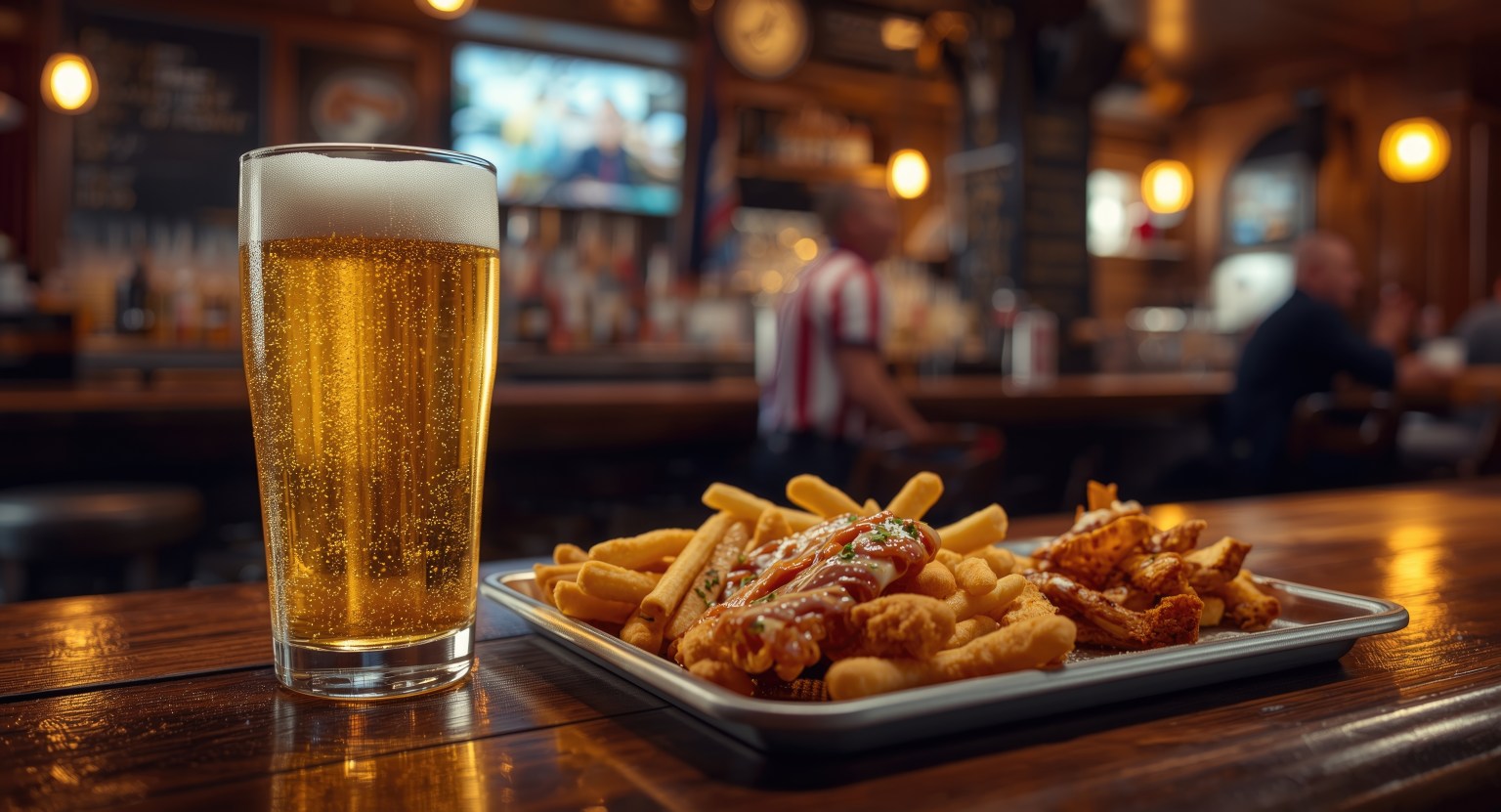
Wine goes on the table when people are invited. Beer goes in the refrigerator for the night the takeaway arrives. The division is social, it is close to universal, and it has almost nothing to do with what either drink is capable of next to food.
Measured by the things that actually determine whether a drink works with a plate, beer has a wider range than wine does, and it holds several of the specific cases wine loses outright.
It has four dials where wine has two
Wine varies enormously in acid, tannin, weight and aroma, and barely at all in two things that matter a great deal at a table: it is nearly always still, and it is nearly always between eleven and fifteen percent alcohol.
Beer varies in both. It runs from three percent to twelve, and from flat to aggressively carbonated. It also has a bitterness range that goes from essentially none to more than any wine, and a sweetness range that covers bone dry to dessert.
And it has one axis wine simply does not have, which is roast — the toasted, coffee, caramel and chocolate notes that come from kilning the malt. There is no wine equivalent.
Carbonation is doing the heaviest lifting
Bubbles scrub fat and salt off the palate mechanically, and the dissolved gas contributes real acidity on top of that. Carbonation is not a texture decision; it is the most effective palate reset available in a glass.
Which is the entire explanation for why beer and fried food is not a guilty pleasure but a correct pairing, and why it works with anything rich, battered, fatty or salty better than a still drink of any kind.
Bitterness is the second lever and it is adjustable
Hop bitterness does the same work tannin does in wine — it cuts richness and it gives the drink an ending — without tannin’s tendency to bind to protein and go harsh.
Bitterness is the cheapest structure you can add to anything, and beer is the only category on the table where you can choose how much of it you want, from a pilsner with a whisper to an IPA with a great deal.
The low end of the alcohol range is the underrated part
A four percent beer can be drunk across an entire meal. A fourteen percent red cannot, not by anyone who intends to be useful afterward.
That matters for the shape of an evening more than any individual pairing does. The drink at the table has to last an hour without becoming tiring, and a low-alcohol beer is one of the few things that manages it while still tasting of something.
Where beer wins outright
Chile heat. Alcohol amplifies the burn, and sweetness, carbonation and cold all suppress it. A cold, fizzy, lower-alcohol, faintly sweet beer is close to the ideal specification, which is why it is what gets drunk with spicy food nearly everywhere it is eaten. The exception worth knowing: a very hoppy beer makes heat worse rather than better, because bitterness and burn stack.
Fried and battered anything. Carbonation and bitterness against fat and salt, with no tannin to go chalky.
Cheese. The big red is usually the wrong answer and beer is frequently the right one, because it brings acid and bubbles and sweetness without the tannin that fights with cheese protein.
Smoked food. Roast malt echoes smoke in a way no grape does.
Very salty food. Salt suppresses bitterness, so a bitter beer beside cured meat or anchovy tastes rounder than it does alone, and the pairing improves both.
Eggs and anything breakfast-shaped, which almost no wine handles gracefully.
Where wine still wins
Delicate fish and subtle dishes, where beer’s carbonation and bitterness are too loud.
Anything already bitter — radicchio, charred greens, a dish built on coffee or cacao — where the bitterness would stack rather than balance.
And the long slow meal where a single bottle has to serve a table for two hours, since one bottle chosen for acid covers more courses than three different beers opened and abandoned.
Five styles, which is enough
Pilsner or lager. Clean, dry, well carbonated, low bitterness. The all-purpose reset, and the safest thing to put beside food you have not thought about.
Wheat beer. Soft, cloudy, low bitterness, often with citrus and spice notes. Good with delicate food, salads and anything lightly spiced, and one of the few beers that does not bulldoze fish.
Pale ale or IPA. Bitterness and aromatics in quantity. Excellent against fat and salt, dangerous against heat and against anything delicate.
Amber, brown or bock. Malt-forward, faintly sweet, lightly roasted. The one for browned meat, roasted vegetables and anything caramelized, because the roast in the glass is chemically related to the brown on the plate.
Stout or porter. Roast, coffee, chocolate, often a touch of sweetness. The classic with oysters, very good with blue cheese, and the only thing on this list that works beside a chocolate dessert — provided the dessert is not sweeter than the beer, which most are.
Temperature and the glass, briefly
Beer is routinely served too cold, and cold suppresses aroma and sweetness both. A pilsner wants to be genuinely cold; an amber or a stout tastes of considerably more at cellar temperature than straight from the back of a refrigerator.
Almost nothing at a table is served at the temperature it was made for, and beer is the drink most often served at the wrong one. Pouring it into a glass rather than drinking from the bottle is not ceremony either: the glass is doing three jobs and one of them is releasing the aroma that a bottle neck keeps to itself.
And the version with no alcohol in it
Non-alcoholic beer has improved to the point where it is the most useful thing on this page for a table where somebody is not drinking.
It keeps the carbonation, the bitterness and the malt — which are precisely the three things a non-alcoholic drink is usually missing. It is not a substitute for a cocktail and it is not trying to be. It is a drink that sits beside food and lasts a whole course, which is the job that was actually going unfilled.
Buy by style, not by brand
Three bottles covering three of the five styles above will handle nearly any meal, cost less than one decent bottle of wine, and keep for months in a cupboard.
Which is the practical argument underneath all of this. The reason beer does not appear at dinner parties is not that it fails there. It is that nobody has ever been taught to choose one on purpose, and the choosing takes about as long as reading this paragraph.
Part of Drinks & Zero-Proof.


