The One Drink and the No-Drink
Cheese Is the Hardest Thing on the Table to Pair, and the Big Red Is Usually the Wrong Answer
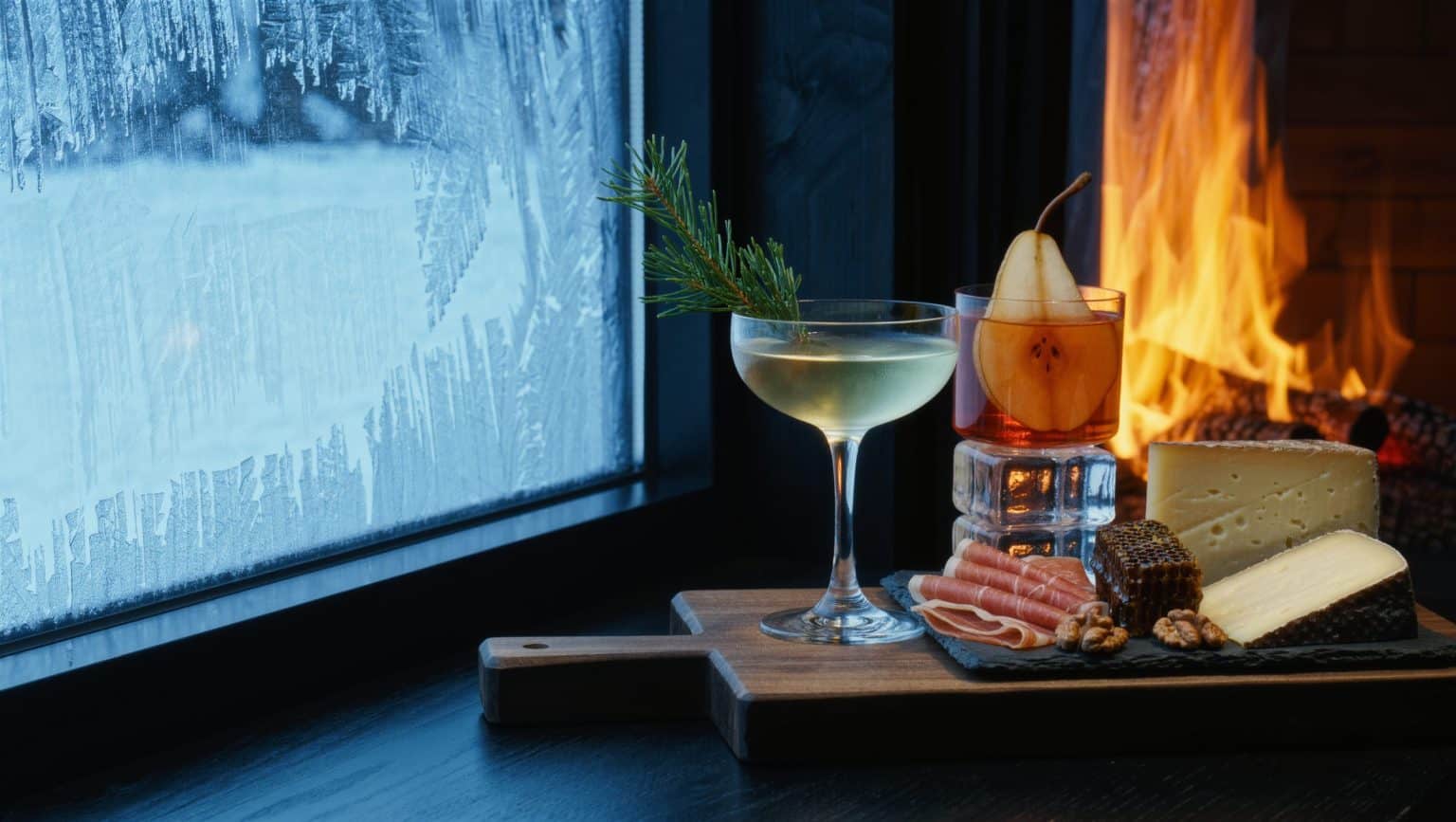
A board of cheese and a bottle of serious red is the most confident pairing anybody puts on a table, and it is one of the least successful things you can do to either of them.
The confidence is not baseless. Cheese does something remarkable to red wine. The problem is that the favor runs in one direction, and the cheese is paying for it.
Cheese flatters wine, which is not the same as matching it
Fat coats the palate and salt suppresses the perception of bitterness and astringency. Put a piece of cheese in your mouth and then taste a tannic red, and the wine arrives softer, rounder and fruitier than it was a moment ago.
Wine merchants have known this for a very long time, and a tasting with cheese on the table is a tasting where every bottle shows better. It is a real effect and it is worth knowing in both directions: cheese will flatter a rough wine, and it will also flatter away the detail in a good one.
What it does to the cheese is the other half. Aged cheese is enormously savory, and savory intensity makes a wine taste more bitter and more drying while making the cheese taste duller and saltier. The two are not meeting in the middle. They are stripping each other.
Tannin is the specific problem
Tannin binds to proteins, which is why a tannic wine grips and dries the mouth — it is reacting with the proteins in saliva.
Cheese is largely protein and fat, so the tannin has plenty to bind to before it ever reaches the palate. The wine loses its structure and the cheese picks up a chalky, metallic edge, particularly with anything aged or blue.
So the default should be inverted. If the board is going to have a red on it, the red wants low tannin and bright fruit rather than weight and grip, and it wants to be poured for the softer cheeses on the board rather than the hardest ones.
Which makes the good bottle the worst candidate on the table. The cheese cannot tell that it was expensive. It registers the tannin and nothing else, and it hands back a wine with its structure stripped out. If a serious red is getting opened, open it before the board, while there is still something in the room paying attention to it.
White wine is the better default and it is not close
No tannin to clash, high acid to cut through fat, and aromatics that survive next to salt.
A crisp white with a fresh goat cheese is a pairing everybody already knows works and nobody generalizes from. The reason it works is structural, and it generalizes to almost the whole board.
Sparkling does it better again, because carbonation scrubs fat off the palate more effectively than acid alone. Against a ripe bloomy cheese, a dry sparkling wine is the single most reliable thing you can pour.
Sweet wine with blue cheese is the rule working, not an exception
Blue cheese is intensely salty and pungent, and sweetness is what softens both. It is the same mechanism that makes salted caramel work, applied to a cheese course.
Which is also a reminder that the food sets the floor for the glass. A dessert wine with blue cheese is correct. A dry wine with a honey-drizzled cheese is not, and the honey on the board is enough to break a bottle that was working two minutes earlier.
The oxidative wines are the specialists
Sherry, madeira, tawny port and anything else that has been deliberately exposed to air develop nutty, dried-fruit, savory notes, and those notes are chemically related to what happens in a cheese as it ages.
Which is why an aged hard cheese and a dry oloroso is one of the great pairings and almost nobody serves it. These are the bottles that get overlooked precisely because they do not look like a dinner wine, and a cheese board is where they are least replaceable.
Beer and cider deserve the board more than most wine does
Carbonation, no tannin, a bitterness that resets the palate, and a sweetness range that runs from bone dry to dessert.
A dry cider against a washed-rind cheese does what a red cannot. A wheat beer with something fresh and lactic is an echo rather than a contrast. And a stout with a blue works the sweetness axis and the roast axis at once.
None of those cost what the wine costs either, which is the quietest argument in their favor and the one nobody makes at a cheese counter.
None of this is a novelty. It is the same reasoning applied without the assumption that a cheese course requires a wine.
Five kinds of cheese, five different requirements
Fresh and high-moisture — ricotta, mozzarella, young goat. Lactic, acidic, delicate. They want something light, high in acid and low in alcohol, and they are the easiest thing on the board to overwhelm.
Bloomy rind — brie, camembert. Rich, mushroomy, very fatty. Bubbles or sharp acid. Sparkling wine earns its reputation on brie.
Washed rind — taleggio, reblochon, and the ones that clear a room. Aggressive aroma, often faintly ammoniated when ripe. They need something with its own presence: an aromatic off-dry white, a strong beer, a cider with some sweetness. A subtle wine simply disappears.
Hard and aged — comté, parmesan, aged gouda. Salt, crunch from the crystals that form as the proteins break down, and enormous savory depth. Oxidative wines, or a fruity low-tannin red, or beer.
Blue — salt and pungency at the top of the scale. Sweetness, and more of it than feels reasonable.
Without alcohol it gets harder, not easier
The two things that work against cheese are acid with bubbles and genuine sweetness, and a non-alcoholic table can supply both.
Strong cold tea brings tannin, which sounds like the wrong direction until you remember that tea tannin behaves more gently than wine tannin against fat. Kombucha brings acid, bubbles and a savory edge at once. An apple juice reduced by half approaches the sweetness a blue cheese wants. And a bitter soda gives the palate somewhere to reset.
What does not work is the default, which is a sweet fruit juice: sweet without acid, and over in four seconds against a food that lingers for thirty.
Temperature is doing more than the bottle is
Cheese straight from the refrigerator tastes of salt and very little else, because the aromatic compounds that carry the rest of it are barely volatile at that temperature and the fat is solid.
An hour at room temperature changes a cheese more than changing the wine does. Almost nothing on a table is served at the temperature it was made for, and a cheese board is the most common offender.
Serve in order, mild to strong, for the same reason: a blue eaten first removes the ability to taste anything that follows.
So the hour on the counter is free and the bottle is not, and the hour is the step that gets skipped. A cold cheese with a carefully chosen wine is the more expensive route to the worse plate.
The board is doing pairing work of its own
Honey, quince paste and dried fruit supply the sweetness that salt and pungency need. Nuts echo the aged cheeses. Pickles and cornichons supply the acid. Bread is neutral and generous; a heavily seasoned cracker is a competitor.
Which is worth noticing, because those accompaniments have been solving this problem for centuries without anybody calling it a pairing. The end of a meal needs a counterweight and a cheese board is largely made of counterweights already.
Pick the cheese to the bottle
The honest conclusion is that one drink cannot serve a whole board. Five cheeses have five different requirements and any single glass is going to be wrong for at least three of them.
So reverse the order. Decide what is being poured — the leftover red, the last of the sparkling, the cider in the door of the refrigerator — and then put out two or three cheeses that suit it, rather than five that do not. A pairing needs a job, and a shorter board is the only version of this where every piece on it has one.
Part of Drinks & Zero-Proof.
Where this goes next
The next thing you will need.
Cook alongside
 Recipe