The One Drink and the No-Drink
The Order of the Drinks Is Doing More Work Than Any One of Them
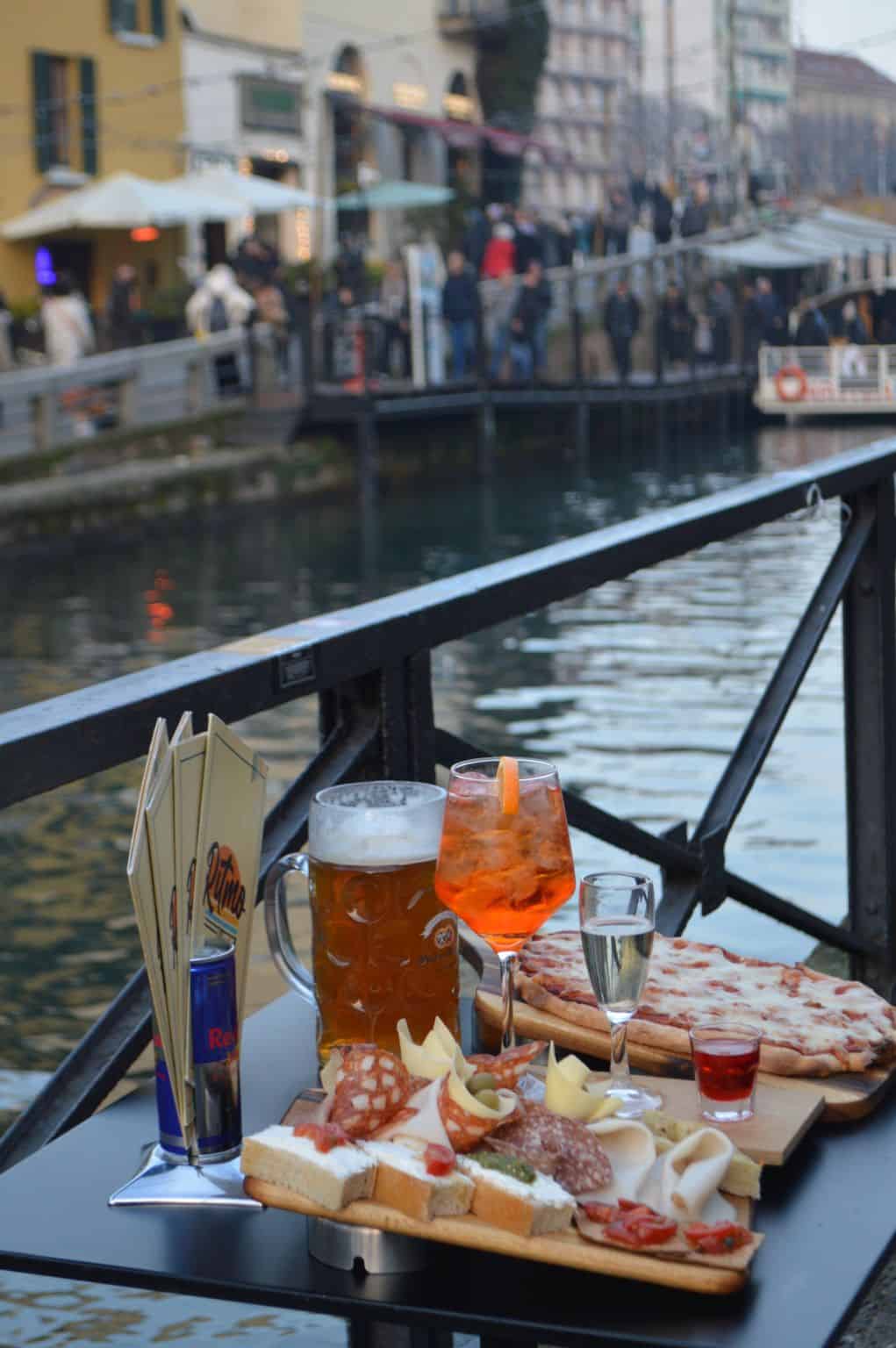
Guests arrive and are handed something strong, cold and sweet, because that is what feels generous. An hour later nobody is especially hungry, the wine at the table tastes thin and sour, and the evening has flattened out before the main course.
Nothing was wrong with the cocktail. It was the right drink at the wrong point in the evening, and the sequence of drinks across a meal turns out to matter more than the quality of any single one of them.
A drink before the meal has a specific job
It is there to sharpen the appetite and get the palate awake, and that job has a specification: bitter, dry, cold, low in alcohol, and small.
Bitterness is the active part. It provokes salivation, it wakes the palate up rather than coating it, and it leaves the mouth wanting food. It is also the cheapest structure available in a glass, and the thing most home drinks have least of.
Which is what the whole aperitivo tradition is: a bitter, wine-strength drink served cold in a small quantity with something salty alongside. Vermouth, sherry and amaro are all built for exactly this moment, and all three are better at it than any spirit-based cocktail.
The strong sweet opener does the opposite of all four things
Sugar blunts appetite rather than sharpening it. It also resets the palate upward, so that everything less sweet that follows reads as sour and thin — which is precisely what happens to the first glass of wine at the table.
And it front-loads the alcohol. A small stirred cocktail carries roughly as much as a glass and a half of wine, served in the first twenty minutes, on an empty stomach, usually while standing up. That is a lot of the evening’s drinking spent before the food arrives, and it is the single most common reason a dinner party peaks too early.
None of which makes it a bad drink. It makes it a drink for after dinner, or for an evening with no dinner in it.
At the table the job changes completely
Appetite is no longer the point. Now the drink has to sit beside food for an hour without becoming tiring, which means acid rather than bitterness, moderate alcohol, and a weight that matches what is on the plate.
Dinner is where weight is the first filter and where the pairing has to have a job: cut, cushion, echo or reset. A drink that was interesting on its own and has nothing to do next to the food is a worse choice than a plainer one that does.
It is also the longest stretch of the evening, which is an argument for the lowest-alcohol drink that can hold its ground rather than the most impressive one.
After the meal, the job is to end it
The last drink is a full stop. It is small, it is not cold, and it is either bitter or sweet — both of which linger, which is what you want at the end and not at the beginning.
Amaro, a fortified wine, a whisky, a coffee. What they have in common is that they are sipped slowly and they do not ask to be refilled.
This is also where the sweetness arithmetic stops being a constraint and starts being the point. The end of a meal needs a counterweight, and a bitter digestif against a sweet dessert is the same move as a sweet wine against a salty cheese, run in the other direction.
Three shapes, and everyone at the table gets all three
The sequence is bitter and dry, then acidic and moderate, then bitter or sweet and small. That holds whether or not there is alcohol in any of it.
Which matters, because the person not drinking is usually handed the same sweet fruit drink at all three points, and that is three violations of the shape in one evening. Before the meal they want something bitter and cold: tonic is carrying real bitterness and is the most useful bottle in the house for this. At the table they want acid and length — strong cold tea, something fermented, a sharp shrub — because a juice-based drink is over in four seconds next to food that lasts thirty. Afterward they want something bitter and small, and a good coffee is a legitimate answer.
Get that sequence right and nobody has to be given a consolation prize at any point in the evening.
Temperature and glassware are part of the sequence, not decoration
The aperitif has to be genuinely cold, because cold suppresses sweetness and sharpens the bitterness that is doing the work. The wine at the table is usually served too warm if it is red and too cold if it is white. The digestif wants to be at room temperature so that its aromatics are actually available.
Almost nothing at a table is served at the temperature it was made for, and the drinks are the worst offenders because they change temperature fastest. The glass is doing three jobs as well, one of which is holding that temperature for the length of a course.
A schedule that works at home
One aperitif, poured small, bitter and cold, with something salty. Not two, and not refilled — the glass being empty is the signal to move to the table.
Then the food and the drink that goes with it, poured in normal measures, for as long as the meal lasts. Water on the table from the beginning rather than produced later as a remedy.
Then one small thing afterward, offered rather than handed out, alongside coffee for the people who would rather have that.
It is three drinks over four hours rather than three drinks in the first hour, and the difference is not quantity. It is that each one is doing the job that point in the evening requires, which is the only reason to have a sequence at all.
Part of Drinks & Zero-Proof.
Where this goes next
