The One Drink and the No-Drink
Water Is the Only Thing Everybody at the Table Drinks and the Only One Nobody Decides About
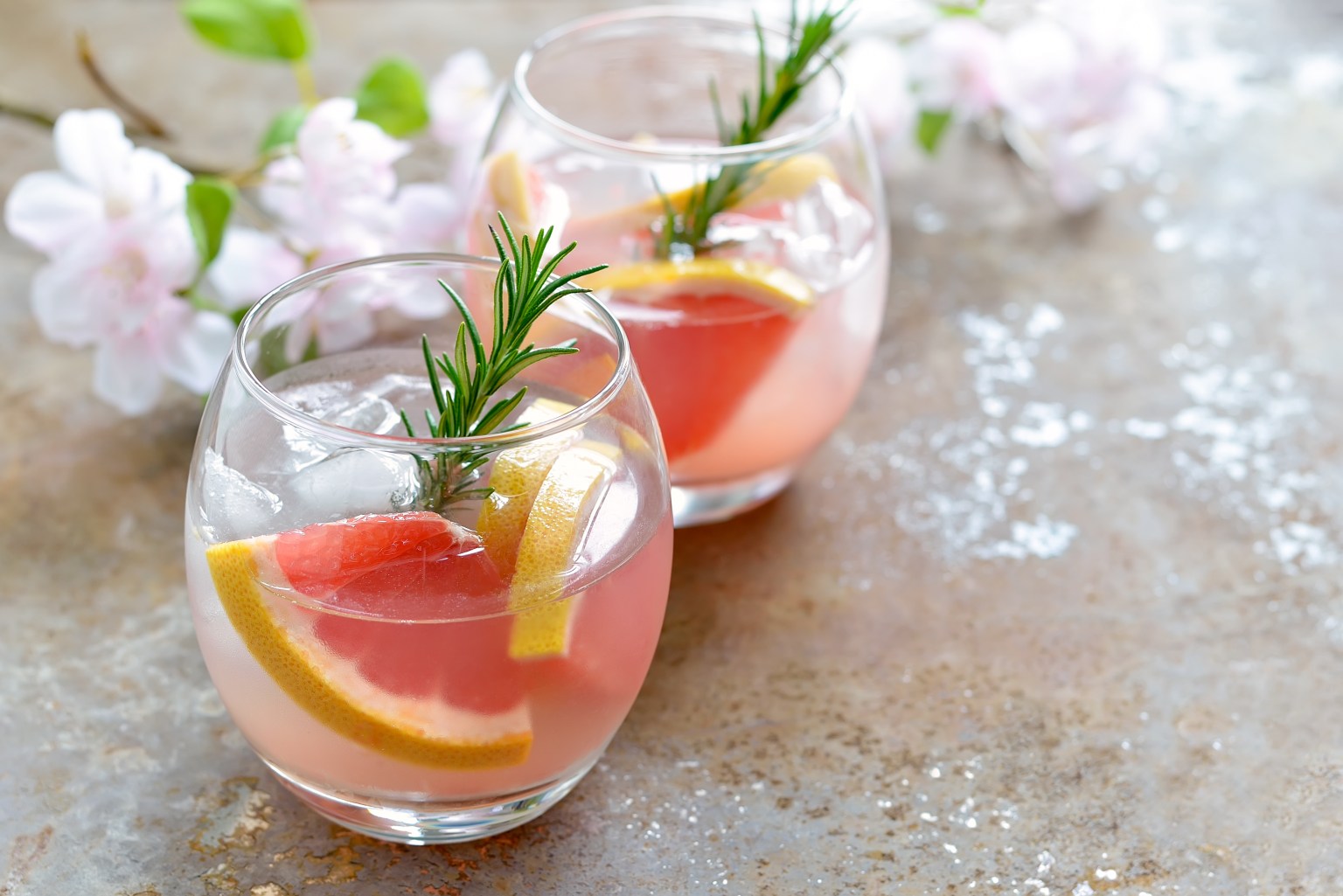
The wine gets chosen, chilled, opened early and poured with attention. The water arrives in a jug filled from the tap while the food is going out, at room temperature, and gets put down at the end of the table where two people can reach it.
It is the only thing on the table that every single person will drink, including the ones drinking nothing else, and it is the only thing nobody makes a decision about.
Water is not a neutral ingredient
What comes out of a tap carries dissolved minerals, and those minerals have a taste. Hard water reads as slightly flat and chalky; soft water reads as thinner. Chlorine, where it is used, is detectable well below the level anyone would call a problem.
Bottled mineral waters vary enormously and some are genuinely assertive — noticeably saline, faintly sulfurous, or heavy with bicarbonate. That is not a fault; it is the point of them. But it means a strongly mineral water is not interchangeable with a neutral one at a table, and it will change how the food next to it tastes.
And carbonated water is not still water with bubbles. Dissolved carbon dioxide forms carbonic acid, so sparkling water is measurably more acidic, and the prickle is a nerve response rather than a flavor. Both of those do real work next to food.
It has three jobs, and only one of them is thirst
It resets the palate between bites, which is the same job carbonation and acidity do in any other glass, done more cheaply.
It paces everything else. A table with cold water within reach drinks less alcohol over an evening without anybody deciding to, simply because the reflexive sip has somewhere else to go.
And it is the drink the person not drinking will actually spend the evening with. Handing them one interesting glass at the start and then leaving them with warm tap water for three hours undoes the effort entirely.
Cold, and within reach, is most of the work
Warm water does not reset anything, and a jug at the far end of the table is a jug nobody uses.
Two smaller jugs beat one large one for exactly this reason, and they are also the mechanism for offering both still and sparkling without asking anyone twice.
Put them on the table before the food rather than after. Water produced halfway through a meal reads as a remedy; water already there reads as the table being set properly, and the sequence of an evening runs better when it does not have to be corrected in the middle.
Sparkling and still are a per-course decision, not a preference
Sparkling is the better choice beside anything rich, fatty, fried or salty, because the carbonation scrubs and the acidity cuts.
Still is the better choice beside delicate food, and beside wine you actually want to taste, since carbonic acid changes how the next sip of the wine reads.
Which is an argument for having both rather than for choosing correctly. Nobody needs to be asked; two jugs answer it.
Very cold is not the same as best
Cold suppresses the perception of everything, which is useful when water tastes of chlorine and unhelpful when it does not. Ice-cold water numbs the palate for a moment, which is the opposite of resetting it.
Properly chilled rather than frigid is the target, and a jug that has been in the refrigerator beats a jug full of ice, because ice melting into water is the one case where dilution genuinely does not matter and the chilling is all you were after.
Almost nothing at a table is served at the temperature it was made for, and water is the one nobody even considers a candidate.
Flavoring it, done in a way that works
Citrus peel rather than slices of fruit. The aromatic oils are in the skin and they release immediately; the juice contributes a vague sourness and the flesh goes soft and cloudy within an hour.
Herbs bruised rather than chopped, and the tender ones rather than the hardy ones — mint, basil, a little dill. Rosemary and thyme need heat and fat to give anything up and will sit in a jug doing nothing.
Cucumber works and it is the one thing that genuinely improves with an hour rather than degrading. A few grains of salt in a jug is an old trick that makes water taste rounder and less flat, particularly if the tap water is soft.
What does not work is a jug of fruit left standing all evening, which becomes cloudy, faintly fermented and unappealing to look at by the second hour.
Tap, filtered or bottled, honestly
For most people in most places, filtered tap water and bottled still water are indistinguishable in a glass, and the difference between them is logistics rather than taste.
If the tap tastes of chlorine, a jug left uncovered in the refrigerator for an hour largely fixes it, because chlorine is volatile and leaves on its own. That costs nothing and works better than most of what is sold to solve it.
Where the water is genuinely hard enough to taste, it is worth knowing, because it is also going into everything else.
Which is the part with the largest consequences
Coffee is about ninety-eight percent water and tea is not far off, and the mineral content of that water changes how much gets extracted from the grounds or the leaves.
Water that is very soft under-extracts and tastes thin and sour; water that is very hard over-extracts and tastes flat and chalky, and it also scales the equipment. Bitter coffee and sour coffee are opposite mistakes, and the water is one of the variables people never check when trying to fix either.
The same goes for tea, and it is a large part of why a tea that tasted extraordinary somewhere else tastes ordinary at home with the same leaves.
The version that takes two minutes
Fill two jugs before anyone arrives, one still and one sparkling, and put them in the refrigerator. Peel a strip of lemon into the still one.
Put both on the table before the first plate, with a glass for every person, and refill them without being asked.
That is the entire intervention, it costs nothing, and it improves the evening for the person who is not drinking more than anything else on the table will. Giving them a proper glass rather than a tumbler costs nothing either, and it is the difference between being served and being accommodated.
Part of Drinks & Zero-Proof.


