Every Herb Is Either Hardy or Tender, and the Recipe Almost Never Says Which
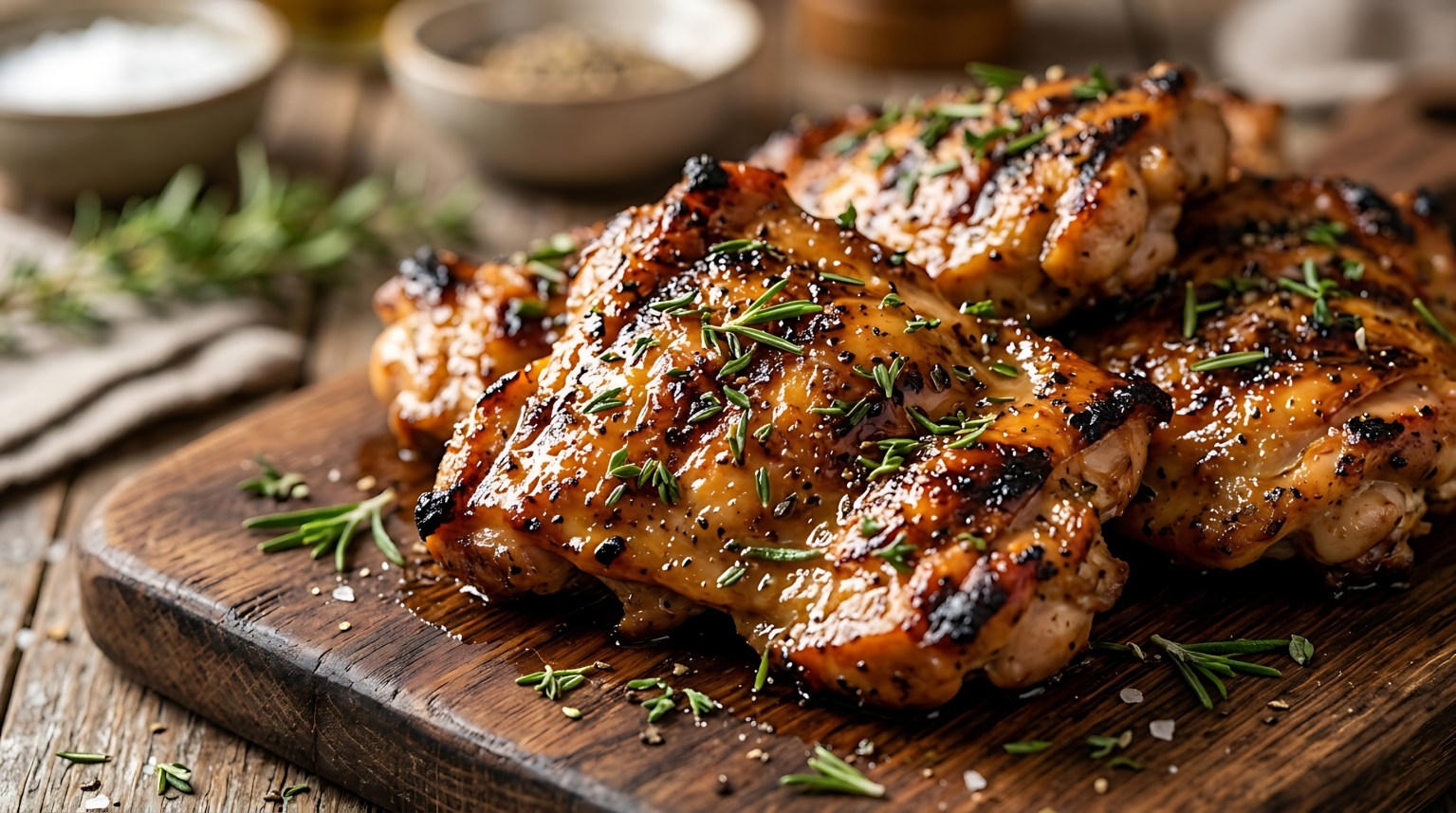
A tablespoon of chopped herbs goes into one pot and the dish tastes of the herb all the way through. The same tablespoon goes into another and the dish tastes faintly of hay, with a scattering of green flecks doing nothing at all.
The herbs were not the problem and neither was the quantity. Herbs divide into two groups that behave in opposite ways under heat, the division is physical rather than culinary, and recipes almost never name it. Once it is visible, every instruction about when herbs go in stops being arbitrary.
The difference is in how the plant is built
Hardy herbs — rosemary, thyme, sage, oregano, marjoram, bay, winter savory — have woody stems and thick, often resinous leaves. Their aromatic oils are held inside tough structures and are relatively stable to heat, which means they need time, warmth and fat to come out, and they survive the journey.
Tender herbs — parsley, cilantro, basil, dill, mint, chives, chervil, tarragon — have soft stems and thin leaves, and their oils are far more volatile. They come out immediately and then leave immediately. Twenty minutes in a simmering pot and they are up the extractor fan.
These are mostly two different plant families, which is why the split is so clean: the hardy ones are largely Mediterranean shrubs evolved to hold onto their oils in hot dry weather, and the tender ones are soft annuals that were never built to.
Which gives two insertion points and no middle
Hardy herbs go in early, with the fat, at the start of the cooking. A sprig of rosemary in the oil as the onions begin, thyme with the browning, bay in the liquid for the whole braise. They are extracting the entire time and the dish carries them evenly.
Tender herbs go in off the heat, at the end, after the pan has stopped bubbling. Not stirred in five minutes before serving; stirred in at the table.
Reverse the two and both go wrong in their own way. Tender herbs added early contribute a vague vegetal note and nothing else. Hardy herbs added at the end are woody, raw and gritty, because nothing has softened them or drawn anything out.
The exception that proves it is a hardy herb used raw on purpose, finely minced — sage in a gremolata, thyme leaves over a salad. That works, but it is a different flavor from the same herb cooked, and it should be chosen rather than stumbled into.
The stems are not waste and they belong to the other family
Parsley and cilantro stems carry more aromatic compounds than their leaves, and they hold up to cooking in a way the leaves do not.
So a bunch of cilantro is two ingredients. The stems, chopped fine, go in at the start like a hardy herb. The leaves go in at the end. It costs nothing, it uses the part that normally goes in the bin, and it is the single easiest way to make a dish taste more of the herb it is named after.
The same applies to dill stalks, basil stems and the stems of mint, all of which are worth infusing in something rather than discarding.
Dried versus fresh is the same division under another name
Drying works for hardy herbs. The oils are stable enough to survive it, the water leaves, and the result is roughly three times as concentrated by volume as fresh. Dried oregano and dried thyme are legitimate ingredients, and dried oregano is arguably better than fresh in several dishes.
Drying destroys tender herbs. The compounds that made them worth having are exactly the ones that evaporate, and what is left is green dust. Dried parsley, dried basil and dried cilantro are not weaker versions of the fresh herb; they are a different and much worse ingredient.
Two practical consequences. Substitute dried for fresh at about one to three, and only within the hardy family. And treat dried herbs as something that needs liquid, fat and time to rehydrate and release — they belong at the beginning of a dish, never sprinkled over the top at the end.
Chopping is damage, and the clock starts when you do it
Cutting ruptures the cells that hold the oils, which is the point. It also exposes those oils to air, and from that moment they oxidize.
For hardy herbs this barely matters. For tender ones it matters a great deal, which is why basil chopped ten minutes ahead is darker and duller than basil torn at the last second, and why a blunt knife makes it worse by crushing rather than cutting. The cut is a decision about surface area and tender herbs are the most sensitive thing in the kitchen to it.
Tear basil, chop everything else late, and use the sharpest knife in the drawer.
Green does not survive heat and acid together
Chlorophyll converts to a dull olive pigment when it meets heat or acid, and both at once is fast.
So a salsa verde made an hour ahead with lemon in it will be drab by the time it reaches the table, and a herb sauce holds its color far better if the acid goes in at the last moment. It is the same reason the blanching pot stays acid-free, appearing in a bowl rather than a pan.
Use them as a vegetable rather than a garnish
The habit of a teaspoon of chopped parsley over the top is the smallest and least interesting thing herbs do.
A whole bunch of parsley in a tabbouleh, a fistful of mint and dill through a rice, a cilantro and herb salad served as a side, a chimichurri that is more herb than oil — at that quantity herbs stop seasoning a dish and become the dish. It is also, incidentally, the cheapest way to make a plain protein and a grain into something worth eating twice a week. A herb sauce is a ratio, not a recipe, and it scales to whatever is in the refrigerator.
Storage splits on the same line
Tender herbs are cut flowers and want to be treated as such: stems trimmed, standing in a little water, loosely covered, in the refrigerator. They will keep for a week or more that way and two days in a plastic bag.
Basil is the exception and hates the cold outright. Below about 50°F it suffers chilling injury and blackens, so it belongs on the counter in water, away from the refrigerator entirely.
Hardy herbs want a damp cloth and a bag, and they last for weeks. They are also the only ones worth drying at home.
A wilted bunch of anything soft is usually not finished. Cold water brings most limp greens back, and herbs respond faster than anything else. And the drawer, the shelf and the door are different environments, which matters more for herbs than for almost anything else in there.
Preserving, briefly
Tender herbs freeze acceptably in fat — chopped, packed into a tray with oil or butter, frozen in portions. The fat holds the volatile compounds that air would take, and the ice crystal damage that ruins the texture does not matter in something that was going to be chopped anyway.
Salt-packing works for the same reason and keeps longer. Herb butters and herb oils are both better uses of a bunch about to turn than drying, which for these herbs is simply throwing them away slowly.
Substitute within the family, never across it
Thyme for oregano is a reasonable swap. Parsley for cilantro is a reasonable swap. Parsley for thyme is not, and no adjustment to the quantity fixes it, because the two are being asked to do different jobs at different points in the cooking.
Which is the whole of it. Before deciding how much of a herb to use, decide which of the two it is, and the question of when stops needing an answer from the recipe.
Part of Recipes & Technique.


