The Freezer Does Not Pause Food. It Puts Holes in It.
Freezing is not storage, it is a physical process that damages some foods badly and barely touches others. Which one yours is depends on how much water it is holding and how fast it froze.
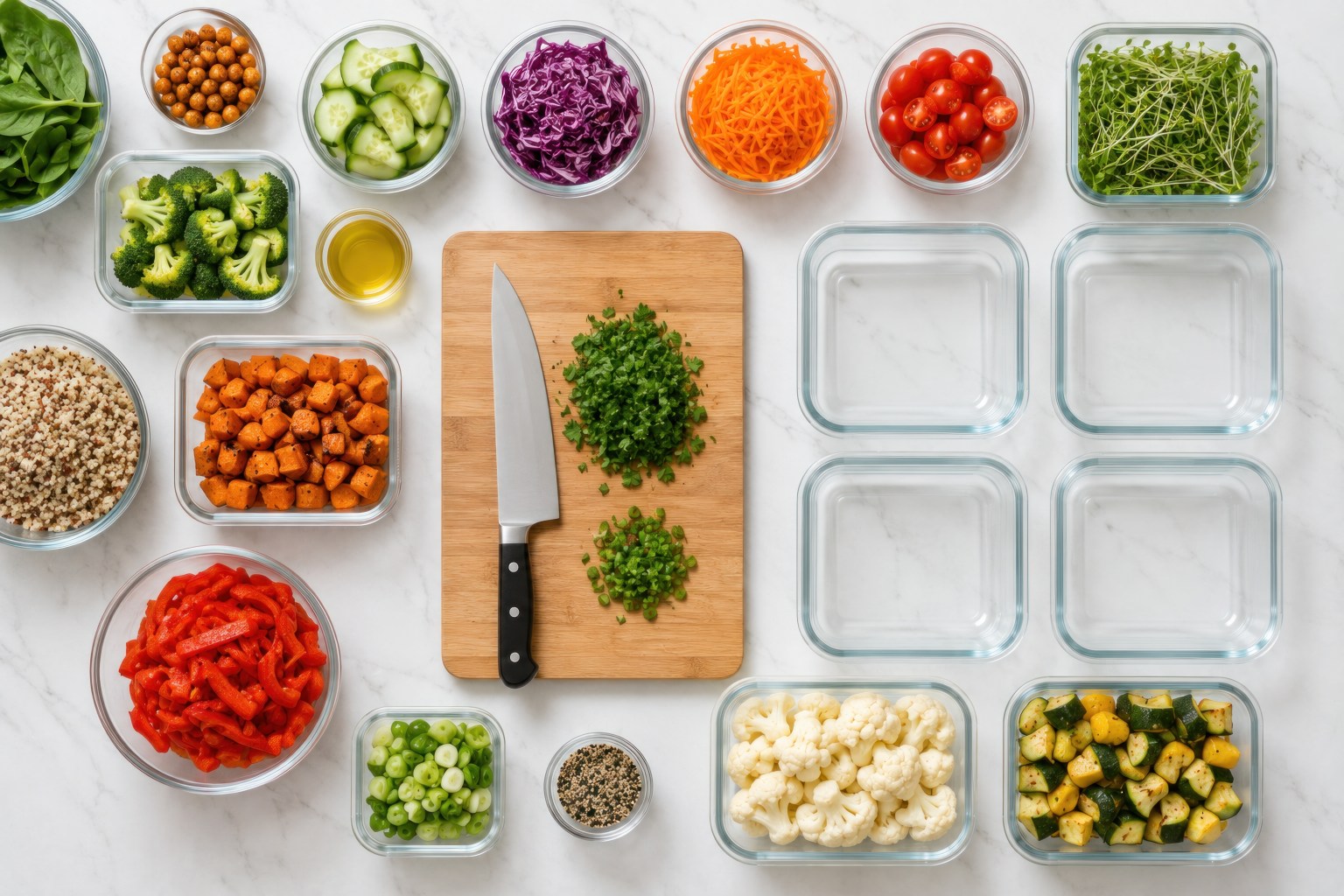
Freeze a cucumber and thaw it and you will be holding a limp, weeping object that used to be a cucumber. Freeze a pot of stock and thaw it and you have a pot of stock. Nothing about the temperature was different. What differed was how much water was inside the structure and what that water did on its way to becoming ice.
Freezing is commonly described as pressing pause, and that framing causes real damage, because it suggests the only question is how long. The freezer is not neutral. It is a physical process that happens to your food, it costs something, and the size of the bill depends on decisions you make before the container goes in.
Water expands, and the crystals are the weapon
When water in food freezes, it forms crystals, and those crystals take up more space than the liquid did. Inside a cell, that means pressure against the cell wall. Sharp crystals puncture the structure, and when the food thaws, everything that was being held inside runs out.
That is the puddle under thawed berries and the collapse of a frozen tomato. The cell walls were breached while the food was solid and you did not find out until it came back.
The crucial variable is crystal size, and crystal size depends on freezing speed. Freeze something slowly and water has time to migrate and gather into a few large, destructive crystals. Freeze it fast and you get many tiny ones that do far less damage.
A home freezer is slow. Commercial equipment freezes in minutes rather than hours, which is the honest and slightly deflating reason that commercially frozen peas, corn and shrimp are usually better than anything you can freeze yourself. It is not better produce. It is smaller ice crystals.
Which foods suffer and which do not
Sort by two questions: how much water, and how much of that water is trapped inside an intact structure you care about.
The worst cases are high-water foods whose entire appeal is crispness or structure. Lettuce, cucumber, celery, radish, watermelon, raw tomato, raw potato. There is no technique that rescues these. They are not freezer candidates and no amount of careful wrapping changes it.
Middling cases are things whose structure matters somewhat. Cooked vegetables that were crisp, whole cuts of lean meat, delicate fish. They survive, with a texture cost that grows with time.
The best cases are foods where the structure has already been destroyed or never mattered. Stock, soup, braises, sauces, purees, bread, butter, browned onions, cooked beans, tomato paste. There is nothing left for the crystals to break, so they freeze and return essentially intact. A braise freezes beautifully and this is why.
Fat-heavy and low-water foods do well for the same reason. Butter and hard cheese freeze without complaint; soft fresh cheeses do not.
Freezer burn is not burning and not really freezing
Those grayish, dry, leathery patches on the surface of frozen food are dehydration. Ice on the surface converts directly to vapor without passing through liquid, and that vapor leaves and condenses somewhere colder, usually as the frost on the walls of your freezer.
So freezer burn is your food evaporating in slow motion, and the exposed surface it leaves behind then oxidizes, which produces the stale, off flavor rather than only a dry texture.
The fix is entirely mechanical. Get air away from the surface. Wrap tightly, press plastic directly against the food, fill containers close to full, or freeze in liquid where practical. A thin layer of stock or sauce over meat is a genuinely effective barrier and it is the reason food frozen in its own liquid comes back better.
Ice crystals get bigger while you are not looking
The damage does not stop once the food is solid. Every time the temperature rises a little and falls again, some ice melts and refreezes, and it refreezes onto existing crystals rather than forming new ones. The crystals grow.
That is why food degrades steadily in a freezer rather than sitting unchanged, why a frequently opened freezer is harder on its contents than a chest freezer that is rarely disturbed, and why ice cream turns gritty over a few weeks. Those grains are crystals that grew from the small ones you started with.
It is also the real argument for a full freezer. Mass holds temperature, so a full freezer fluctuates less than an empty one. And it is the argument against the door shelves, which are the warmest and most variable place in the entire appliance and therefore the worst place for anything you care about.
How to freeze so it costs less
Freeze fast, which mostly means freeze thin. A quart container of soup takes hours to reach the center and forms large crystals the whole way; the same soup in a flat bag an inch thick freezes in a fraction of the time. Flat also stacks, thaws faster, and takes less space, which are three arguments for the same habit.
Cool food before it goes in, because a hot container warms everything around it and starts a melt-refreeze cycle in its neighbors.
Portion before freezing rather than after, because a block you have to thaw entirely to use a third of it will get refrozen, and refreezing is where the real destruction happens.
Freeze at the peak, not at the end. Food frozen on the day it was made comes back as what it was; food frozen on day four comes back as day four, permanently. The decision belongs at the start of the window, not when it is closing.
And label with the date and what it still needs, because a bag of unidentifiable orange sauce is functionally not stored, it is misplaced.
Blanch vegetables first, and it is not about texture
Raw vegetables keep running enzymes even at freezer temperatures. Slowly, but for months, and those enzymes degrade color, flavor and texture while the food sits there apparently untouched.
A brief blanch deactivates them. That is the actual purpose, and it is why unblanched frozen green beans come out dull and faintly hay-like after a few months while blanched ones do not. Shock in ice water afterward, dry thoroughly, and freeze spread out before bagging so they do not fuse into one object.
What breaks on the way back
Some things survive freezing and fail during thawing, which catches people out.
Sauces thickened with cornstarch weep and separate, because the starch network cannot survive the crystals. Use a puree, a roux, or tapioca for anything destined for the freezer, since the thickeners behave very differently here.
Emulsions split. Cream-based and egg-based sauces separate. Dairy-heavy soups come back grainy and usually need to be blended or rebuilt.
Fried food loses its coating entirely, which is not a surprise but is worth accepting rather than testing again.
And fat oxidizes even at freezer temperatures, which is why oily fish, bacon, sausage and anything heavily marbled have shorter useful freezer lives than lean meat. They do not become unsafe, they become rancid, which is a flavor problem you will notice immediately and cannot correct.
Thaw slowly, and in the refrigerator
Slow thawing gives water a chance to be reabsorbed rather than running straight out, so refrigerator thawing costs you less texture than a counter or a warm water bath.
It is also the only approach that keeps the food out of the temperature range where bacteria multiply quickly. Overnight in the refrigerator, or in cold water with the food sealed and the water changed regularly, or straight from frozen into the pan for things that tolerate it. Never on the counter for hours. Getting dinner back out of the freezer is its own planning problem and it starts the day before.
The short version
Freeze things that have already given up their structure and they will come back as themselves. Freeze things whose whole point is structure and you are buying a worse version of them later.
Freeze fast, freeze flat, freeze early, keep air off it, and stop opening the door to look.
Part of Kitchen Systems.


