Most Limp Vegetables Are Thirsty Rather Than Finished
A bendy carrot, flat lettuce and drooping herbs have lost water, not integrity. Thirty minutes in cold water brings most of them back, and knowing which ones will not is the other half of it.
The carrot bends. The celery flops. The parsley is lying down in its bag and the lettuce has gone soft at the edges. All of it goes in the bin, and most of it did not need to.
Limpness in a vegetable is usually dehydration rather than decay. The cells have lost water and the pressure that held them rigid has dropped. Put the water back and the pressure comes back, and it happens fast enough to watch.
The revival, and why it works
Plant cells hold their shape through internal water pressure pushing against the cell wall. Lose water and the whole structure sags. Restore it and the structure returns, as long as the cell walls are intact.
Cold water, half an hour, and the difference is dramatic. Cold specifically, because it slows the enzymes that are degrading the vegetable while the water goes back in.
Carrots, celery, radishes, parsnips, beets: cut a thin slice off the end to open the vascular tissue, then submerge in ice water for thirty minutes to an hour. A rubbery carrot comes back close to snappable.
Lettuce and leafy greens: separate the leaves, ice water for fifteen to thirty minutes, then dry thoroughly — a wet leaf will not hold a dressing and goes slimy in storage.
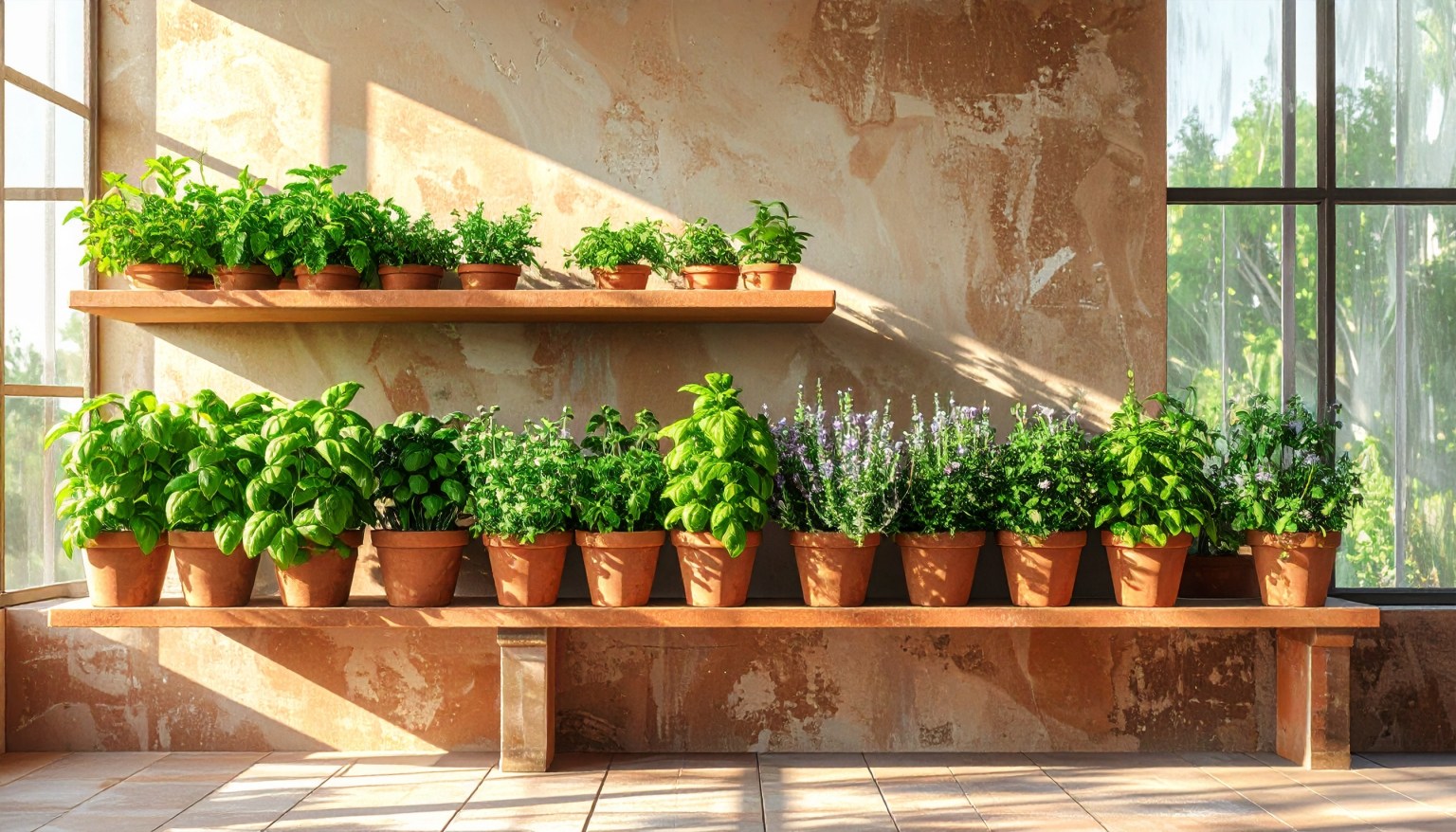
Soft herbs: trim the stems and stand them in water like flowers, loosely covered, in the refrigerator. Parsley, cilantro and mint will last a week or more this way rather than four days in a bag. Basil stays on the counter, because cold damages it.
Asparagus, broccoli, green beans: stems trimmed and stood in an inch of water in the refrigerator.
What will not come back
The test is whether the cell walls are still intact. Water restores pressure; it cannot rebuild structure.
Anything slimy has bacterial breakdown rather than water loss, and it is finished. Anything that smells sour or fermented is finished. Anything that has frozen and thawed in the back of the refrigerator has had its cell walls punctured by ice crystals and will be limp forever — it can still be cooked, but it will never be crisp again.
And anything with actual mold going into it, as opposed to a spot on the surface of something dense, should go.
Yellowing is a different signal. A yellow broccoli floret or a yellowing herb leaf is chlorophyll breaking down, which is age rather than dehydration. It will not revive and it will taste flat, but it is not dangerous and it is fine cooked into something.
The second life, when reviving is not the point
Some vegetables are past crisp and perfectly good for anything that does not need crisp, which is most cooking.
Soft tomatoes want to be roasted or turned into sauce. Their texture was already going to disappear.
Bendy carrots, celery and onions are a stock base or a soffritto, where they are going to be cooked to collapse anyway.
Wilting greens — spinach, chard, kale, even lettuce — cook down beautifully. Lettuce in a soup is not a desperation measure; it is an old and good idea.
Herbs on the edge go into an oil or a compound butter, or blitzed into a green sauce, where nobody will know they were drooping.
Soft apples and pears roast, poach or become a compote. Overripe bananas freeze for later.
Firm things going soft — zucchini, cabbage, fennel — can be sliced thin and quick-pickled, which restores crunch through salt and acid rather than through water.
Why it happened, so it happens less
Most vegetable wilting in a home refrigerator is a humidity problem, and the drawer with the slider on it exists to solve it.
High humidity, vent closed, for anything that wilts: leafy greens, herbs, broccoli, carrots, celery. Low humidity, vent open, for anything that rots: apples, pears, stone fruit.
And keep the ethylene producers away from the ethylene sensitives, because a bag of apples in with the lettuce is a small ripening chamber and the lettuce is losing.
Storing greens with a dry towel in the container absorbs the condensation that turns them slimy, which is the opposite failure from wilting and the more common one in a sealed bag.
The honest part
Reviving a vegetable is worth doing when the vegetable is going to be eaten raw and crispness is the point. Everywhere else it is a step you can skip, because the cooking does not care.
Which means the real value of knowing this is not the ice water. It is that a drawer of slightly sad vegetables is not a failure to be thrown out and felt bad about. It is a stock, a soup, a tray of roasted things and a jar of pickles, and the only version that is genuinely wasted is the one that sat there being a decision nobody made.
Part of Kitchen Systems.


