The One Drink and the No-Drink
Tea Is the Most Underused Thing You Can Put Next to Food
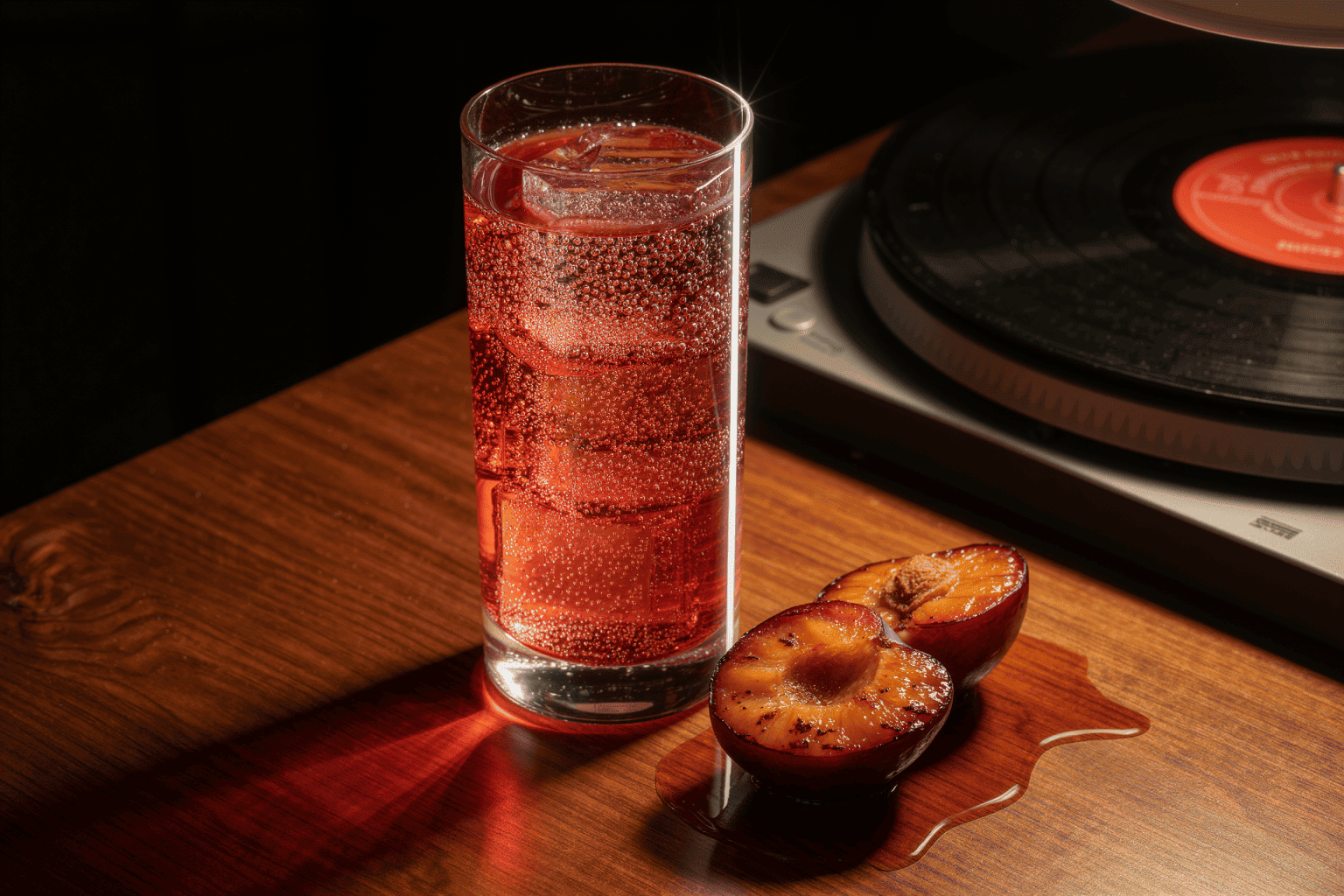
The table gets wine. The person not drinking gets something fruity with bubbles in it. And the one thing in the cupboard that carries tannin, bitterness, aroma and no alcohol at all stays in its tin, because tea is filed under breakfast and under illness and not under dinner.
Which is a genuine loss, because tannin is the single hardest property to find without alcohol, and tea is the only common source of it.
Tannin is the thing that goes missing, and tea has it
Tannins bind to the proteins in saliva and produce a drying, grippy sensation that lasts well after the swallow. That grip is most of what gives red wine its physical presence and most of what a fruit-and-soda drink does not have.
It is also non-volatile, so it does not evaporate off the way citrus and fruit aromatics do. A non-alcoholic drink usually fails at the end rather than the beginning, and tannin is the most direct repair available.
Tea brings bitterness alongside it, which is the other structural property most home drinks are short of. One ingredient, both problems.
Brewing it for a table is not brewing it for a mug
A cup of tea is made to be pleasant on its own. A tea meant to sit beside food is made to survive dilution, chilling and a mouthful of something rich, which means considerably stronger.
Brew it at roughly double the usual leaf and let it cool. An over-steeped batch that would be harsh hot is frequently exactly right cold and next to food, because the astringency that felt aggressive in a mug is doing structural work against fat.
Cold brewing is a different tool rather than a slower version of the same one. Extracting cold pulls far less tannin and bitterness and much more sweetness and aroma, so cold-brewed tea is delicate and refreshing and has none of the grip. Use hot-brewed-then-chilled when you want backbone, and cold brew when you want a light drink.
Temperature and time are the two knobs, and they are not optional
Black tea wants water just off the boil and three to four minutes. Green tea wants around 175°F and two, and boiling water scalds it into bitterness that no amount of sugar covers.
Past the right time, extraction continues but selectively: the pleasant aromatic compounds come out early and the harsh tannins keep coming. That is the whole of what over-steeping is, and it is why a forgotten pot tastes of nothing but astringency.
Take the leaves out. A tea left sitting on its leaves for an hour is a different and worse drink, which sounds obvious and is the single most common thing that goes wrong.
Five families, briefly, by what they contribute
Green is vegetal, faintly savory, low in tannin and easily overwhelmed. It is the one for fish, rice, eggs and anything delicate, and it is the one most easily ruined by water that was too hot.
White is lighter still, floral and subtle, and it is more a drink for its own sake than a partner for food.
Oolong covers an enormous range depending on how far it was oxidized and roasted, from green and floral to dark and toasty. A roasted oolong beside roast chicken is one of the best pairings on this page and almost nobody has tried it.
Black is the workhorse: tannin, malt, enough weight to stand next to rich food, and the only one that survives milk.
Pu-erh and other aged teas are earthy and savory in a way that reads almost like stock, and they cut fatty pork and duck better than anything else without alcohol in it.
Everything else — chamomile, mint, rooibos, hibiscus — is a tisane rather than tea and carries no tannin at all. Hibiscus is the useful exception, because what it brings instead is real acidity, which makes it the one to reach for with spicy food.
What tea does beside a plate
It cuts, with tannin and astringency against fat, which is why black tea and fried food is a pairing half the world already eats.
It resets, scrubbing richness off the palate between bites in much the same way carbonation does, though more slowly and with more flavor of its own.
And it echoes, particularly where there is roast or smoke on the plate, since a roasted oolong or a smoked tea shares aroma compounds with browned and grilled food.
Those are three of the four jobs a pairing can do. Judged by weight, a strong black tea sits comfortably beside food that would flatten a light white wine.
Where it goes wrong
With anything very sweet. Sugar makes tannin taste harsher and more drying, and a drink less sweet than the food reads as sour in the first place. Tea with dessert needs sugar in the glass, which is exactly what the sweetened iced teas of the world are doing.
With chile heat, where tannin and bitterness both intensify a burn that is not a taste at all. Hibiscus, or something cold and slightly sweet, works where black tea makes it worse.
And with delicate food if it was brewed at table strength, which is a reason to make two pots rather than one.
It is also the best base a zero-proof drink can have
Strong tea, cooled, gives a drink structure before anything else goes in: tannin, bitterness, a little astringency and real aroma.
Build from there rather than from juice. A little sugar for body rather than sweetness, acid for lift, something fermented or savory for depth, salt, and then bubbles at the end. The result is a drink that lasts the length of a course instead of four seconds.
It works with alcohol too, and it is criminally underused there — a strong black tea in place of some of the water in a highball, or a tea syrup in a sour, adds the grip that a spirit and citrus alone do not have. Before dinner it does the aperitif job as well as anything bitter does.
Serving it to a table without a second kitchen shift
A pot per course is a service problem nobody has time for. The workable version is a concentrate: brew very strong in advance, chill it, and dilute to order in the glass.
Serve it cold in a wine glass rather than hot in a mug, if it is standing in for wine. The glass is doing three jobs, and one of them is signaling that this is a drink for the meal rather than a drink for afterward — which is most of the reason the person not drinking feels handed a consolation prize.
Hot tea has its own place at the end, and that service is its own small problem worth solving before the guests arrive rather than during dessert.
A tin of decent black tea costs less than one bottle of wine and makes twenty drinks. It is the cheapest structural upgrade available to any table, and the only reason it is not on more of them is that nobody thinks to pour it cold.
Part of Drinks & Zero-Proof.


