The One Drink and the No-Drink
Sugar in a Drink Is Structure Before It Is Sweetness
Take the sugar out of a cocktail and it does not become a less sweet version of itself. It becomes thin, harsh and short, because the sugar was holding up the body and blunting the edges.
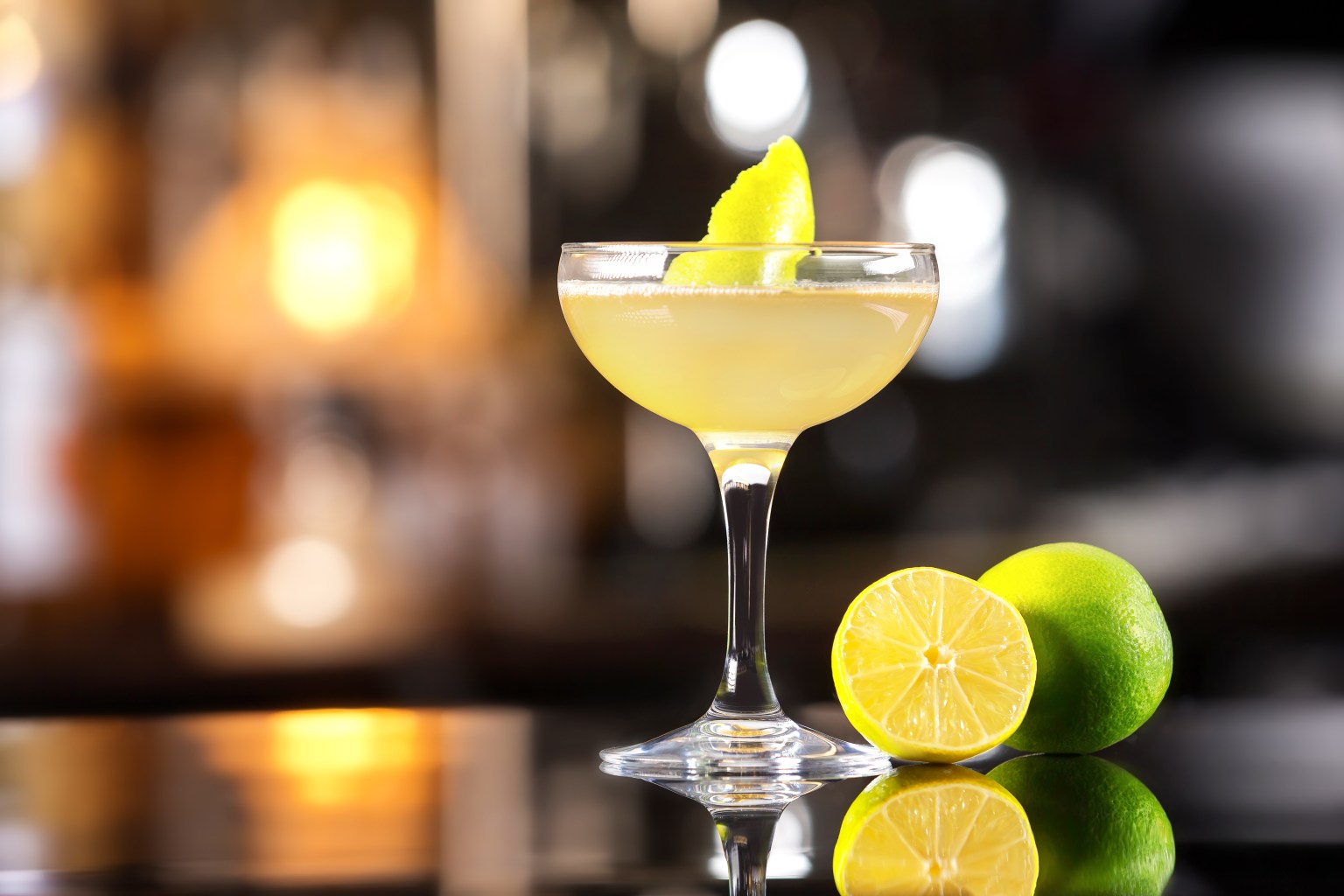
Make a drink to a recipe and then make it again with the sugar left out. It is not the same drink minus sweetness. It is thin in the mouth, harsh at the front, and over almost immediately.
Which means sugar in a drink is doing at least three jobs, as it does in everything else it goes into, and only one of them is tasting sweet. Anyone who has tried to make a lighter version of something and ended up with something that tastes cheap has run into the other two.
It is viscosity you can taste
Dissolved sugar makes a liquid physically thicker. Not dramatically, but the mouth is extremely sensitive to small differences in viscosity, and that difference registers as body, weight, roundness — the sense that there is something there.
This is why a drink made with a rich syrup tastes fuller than the same drink made with an equal quantity of sugar in a thinner syrup, even when the total sweetness is matched. You changed the texture, not the taste.
And it is why sugar is the hardest thing to remove from a zero-proof build, where it is often carrying the body that alcohol would otherwise have supplied.
It suppresses the things that would otherwise be too loud
Sweetness and sourness suppress each other. So do sweetness and bitterness. Which means the sugar in a sour is not there to make the drink sweet; it is there to make a punishing amount of citrus pleasant.
Take it out and you have not made a drier drink. You have made a drink where the acid has nothing to argue with, and it reads as sharp and thin rather than as bracing.
The same trade runs through every bitter drink on a shelf. An amaro is thirty percent sugar for a reason: without it the bitterness is medicine. What sugar buys there is not sweetness but the ability to use far more bitterness than would otherwise be tolerable.
The syrup ratio is the adjustment nobody makes
Simple syrup is equal weights of sugar and water. Rich syrup is two parts sugar to one of water, and it is the more useful of the two in almost every application.
The reason is volume. A rich syrup delivers the same sweetness in half the liquid, which means less dilution from the syrup and more room for the ice to do the diluting you actually planned. A drink built with rich syrup is denser, shorter and better balanced than the same drink built with twice as much simple.
It also keeps far longer, because the sugar concentration is high enough to inhibit growth. Simple syrup lasts a couple of weeks refrigerated; rich syrup lasts months.
Make it cold if you have the patience — sugar dissolves in room-temperature water with enough stirring — because heating drives off some of whatever aromatics you infused into it.
The sugars are not interchangeable
White sugar is neutral and lets everything else be the flavor. The default, and correct more often than not.
Demerara and turbinado bring molasses notes and a faint bitterness of their own, which is why they suit aged spirits and dark drinks and why a demerara old fashioned is a genuinely different drink.
Honey is mostly fructose, tastes noticeably of itself, and is thick enough that it has to be cut with warm water before it will incorporate into a cold drink. Honey syrup, three parts honey to one of water, is the usable form.
Maple is similar and more assertive, with its own woody bitterness.
Agave is very high in fructose, which is perceived as sweeter than sucrose, so a given volume goes further — a real consideration and not a health one.
Fructose also reads sweeter cold than sucrose does, which slightly changes how a honey or agave drink behaves as it warms in the glass.
Fruit juice is sugar with a schedule attached
The sweetness in a drink can come from juice rather than syrup, and mostly that is a good thing — it brings acid and aroma along with it.
The problem is that it varies. A lime in January and a lime in July are different amounts of both sugar and acid, and a recipe written to the ounce assumes a standard fruit that does not exist. Which is why bartenders taste and adjust rather than measuring alone, and why the same recipe made twice from the same page can land in two different places.
The rule that survives: measure the spirit, taste the citrus, adjust the sugar.
Cold hides it, and that is a trap
Chilling suppresses the perception of sweetness sharply while leaving acid and bitterness comparatively intact. A syrup that tasted balanced warm on the stove will taste under-sweet and sharp over ice, and a drink that tasted right over ice will taste cloying if it sits.
It is the same effect that makes an ice cream base taste too sweet warm, and it means there is only one moment when a drink can honestly be judged: cold, diluted, in the glass it is going in.
Anything tasted off a bar spoon at room temperature is being tasted in a state nobody will drink it in.
How to make something genuinely less sweet
Not by removing sugar, which takes the body with it. By replacing what the sugar was doing.
Use a rich syrup in a smaller quantity, so the body stays and the sweetness drops. Add bitterness, which suppresses perceived sweetness without removing anything. Add salt — a few drops of saline in a drink is one of the oldest bar tricks and it makes a drink taste both fuller and less sweet at once. Add texture from somewhere that is not sugar: an egg white, aquafaba, a fermented mixer, a splash of something viscous.
And check the temperature before concluding anything, because half the drinks described as too sweet are drinks that were served warm.
Part of Drinks & Zero-Proof.


