Cold Food Needs More Salt, and Ice Cream Base Should Taste Too Sweet
Temperature changes what you can taste, not just how it feels. Which means anything seasoned hot and served cold was seasoned at the wrong moment.
Make a soup, season it until it is exactly right, chill it, and serve it cold. It will taste underseasoned and slightly dull, and nothing has happened to it. The salt is all still there. You are simply less able to detect it than you were four hours ago.
Temperature is not a finishing touch applied to a dish that already has a flavor. It is part of what determines the flavor, because it changes both what reaches your nose and what your tongue can register. Which means the moment you taste for seasoning is a decision, and most people make it without noticing they are making it.
Aroma needs heat to reach you
Most of what you experience as flavor is smell, arriving at the back of the nose while you chew. Those aromatic compounds have to evaporate off the food to get there, and evaporation depends on temperature.
Warm food is actively sending its aroma upward. Cold food is holding onto it. This is why a hot dish announces itself from across the room and the same dish from the refrigerator smells like almost nothing, and it is why the cold version can taste flat even when its seasoning is identical.
Fat makes this sharper. Many aromatic compounds dissolve in fat, and cold fat is solid, so it releases them grudgingly and coats the palate differently. A chilled braise has its flavor locked into a set layer of fat; the same braise warm is broadcasting.
Your tongue is also temperature-dependent, and not evenly
Taste itself changes with temperature, and it does not change uniformly across the five tastes, which is the part that causes trouble.
Sweetness is the most temperature-sensitive by a distance. Perception of it rises considerably as food approaches body temperature and falls off sharply when cold. Saltiness follows a similar pattern, weaker when cold.
Bitterness and sourness are more stable, which means they do not fade at the same rate as sweetness and salt do.
Blandness is not the consequence. Cold food tastes differently balanced. The sweetness and the salt drop away while the acidity and bitterness stay where they were, so a chilled dish reads as sharper and more austere than it did warm, on top of being quieter.
This is why ice cream base has to taste wrong
Anyone who has made ice cream from a proper recipe has had the moment of alarm where the warm custard tastes cloying, almost unpleasantly sweet, and the instinct is to pull back on the sugar.
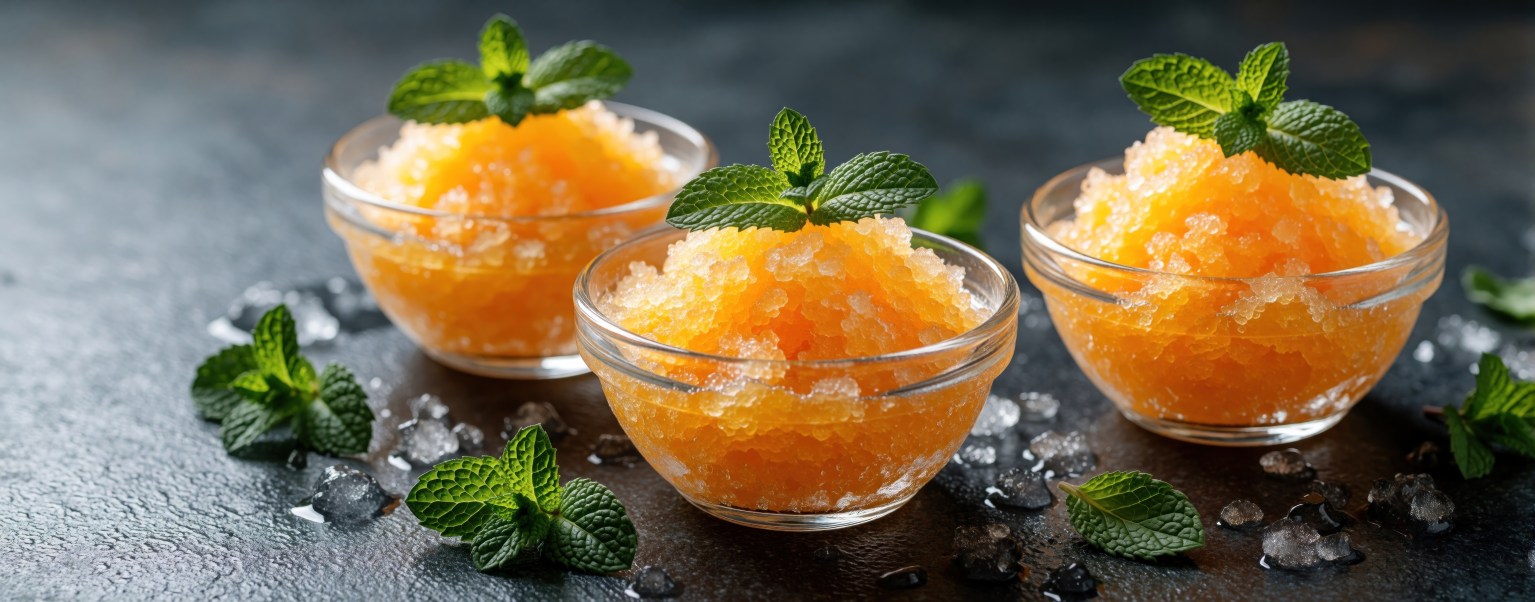
Do not. At serving temperature a large share of that sweetness will be undetectable. A base that tastes correctly sweet while warm will taste thin and icy and disappointing once frozen.
The same applies to sorbet, granita, chilled desserts, and anything you are freezing. Season the dish for the temperature it will be eaten at, which means deliberately tasting something that seems wrong in the bowl in front of you.
Sugar is also doing structural work in a frozen dessert, lowering the freezing point and keeping the texture scoopable rather than solid, so cutting it changes more than the flavor.
The make-ahead trap
Here is where this quietly ruins hosting.
You make a dish the day before. You taste and adjust it while it is hot on the stove, when your palate is at its most sensitive and the aroma is at its loudest. It is perfect. Then it goes into the refrigerator and comes out for a cold service, or gets served at room temperature, and it is somehow lesser and nobody can say why.
The rule that fixes it is simple and almost nobody follows it: taste and correct at the temperature the dish will be eaten. A cold salad gets its final seasoning cold. A room-temperature dish gets corrected at room temperature, not straight out of the pan. A chilled soup gets a second tasting after chilling and will almost always want more salt and more acid than it did warm.
Build the correction into the plan as a step, because you will not remember it in the moment. Make-ahead sauces have the same requirement and the same failure.
Cold food needs more of everything, not just salt
Salt is the first lever and not the only one.
Acid helps disproportionately in cold food, because it stays perceptible and it lifts the things that have gone quiet, and acid added at the end keeps its aromatics, which is exactly what a cold dish is short of.
Aromatics need to be more assertive. Herbs, zest, raw alliums, pepper and chili all read softer when cold, so a cold dish can carry a quantity that would be aggressive hot.
And texture matters more, because with aroma suppressed, the physical experience carries proportionally more of the pleasure. This is why cold food benefits so much from crunch, and why a cold plate without any textural contrast feels inert in a way a hot one does not.
It is also why a charcuterie board works at all. Cured meat, aged cheese, olives, pickles and mustard are all aggressively salted, acidic, and intense, and they have to be, because they are served at a temperature that suppresses half of what they are doing.
Room temperature is the most underrated serving decision
There is a reason so much of the food that survives a buffet is meant to be eaten at room temperature rather than hot or cold.
Warm enough that aroma is still leaving the food, cool enough that it is not degrading while it waits, and forgiving about exactly when people get to it. A dish designed for room temperature is not a compromise between hot and cold, it is its own category, and it is the correct answer for most food that has to sit out.
The mistake is serving a dish designed to be hot at room temperature and hoping. A sauce that relied on being molten, a crust that relied on being dry, a fat that relied on being liquid: all of those fail as they cool, and no amount of extra seasoning saves them. Keeping food genuinely hot is a separate problem with a separate answer.
Drinks run the same arithmetic
Cold suppresses sweetness in a glass exactly as it does on a plate, which is why a cocktail tasted at room temperature before chilling seems syrupy and lands correctly over ice.
It is also why a drink that was balanced when poured goes flabby and sweet as the ice melts and the temperature climbs. You are losing dilution control and gaining sweetness perception at the same time, from opposite directions.
And it is part of why a zero-proof drink has to be built colder and less sweet than instinct suggests, because everything that warms up in the glass gets sweeter while nothing gets longer.
The habit worth building
One question, asked once per dish: at what temperature will someone actually eat this?
If the answer is not the temperature it is currently sitting at, do not finalize the seasoning yet. Chill a spoonful and taste that. Let the room-temperature dish come to the room before the last correction. Taste the ice cream base knowing it should be too sweet, and leave it that way.
The dish you seasoned perfectly on the stove was seasoned perfectly for someone standing at the stove. Nobody is going to eat it there.
Part of Recipes & Technique.


