Acid at the Start and Acid at the Finish Are Doing Opposite Jobs
The same lemon does one thing at minute one and something completely different at minute forty. Most sour-tasting mistakes are a timing decision nobody knew they were making.
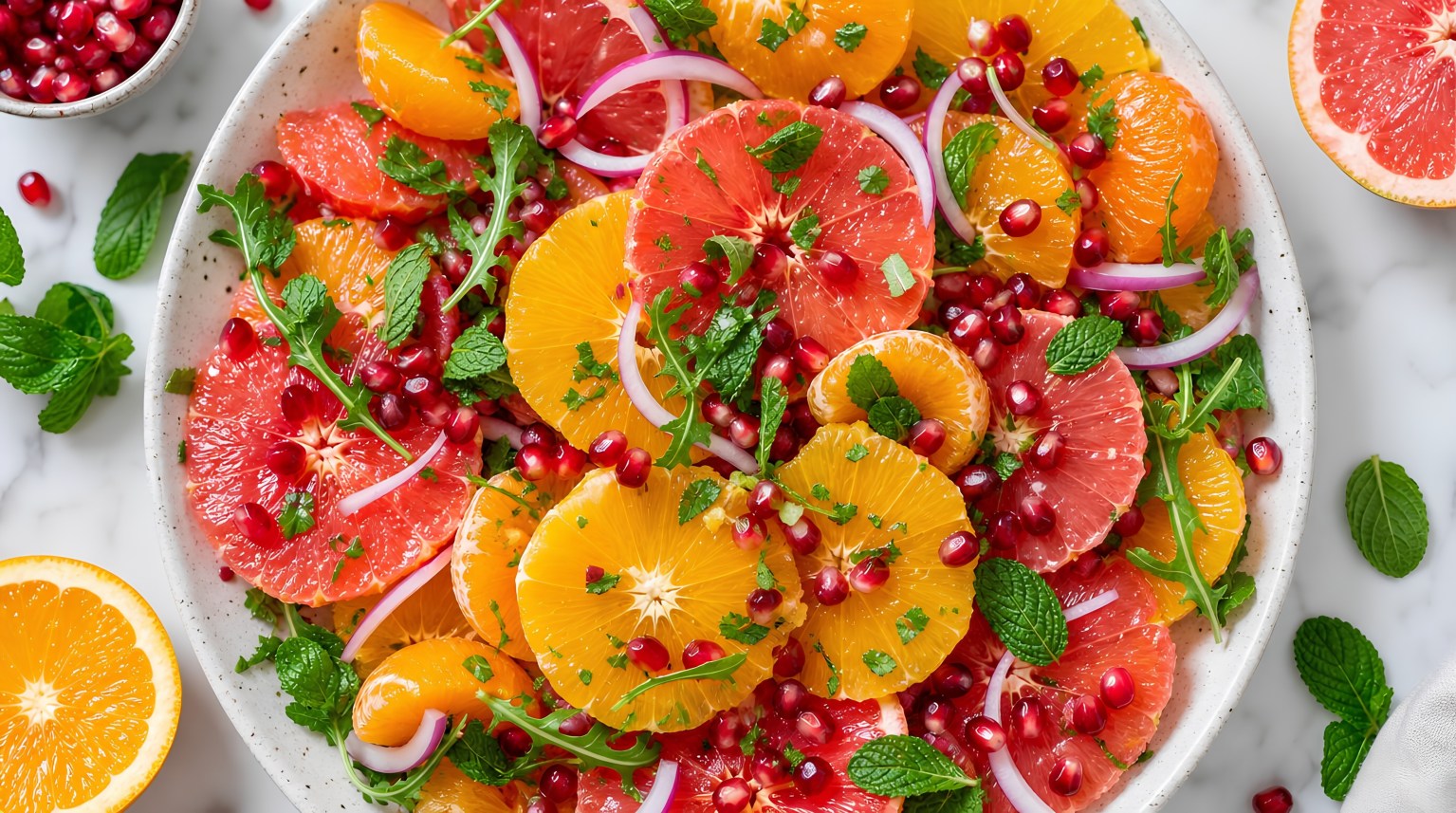
Add lemon juice to a soup at the beginning and you will taste sourness. Add the same amount at the end and you will taste lemon. Those are not the same experience, and the gap between them is the single most reliable way to make food taste like it was finished by someone who was paying attention.
What separates them is that acid is really two ingredients stacked in one bottle. There is the sour part, which is stable and stubborn and survives anything you do to it. And there is the aromatic part, which is volatile, fragile, and gone within minutes of meeting heat. Every decision about when to add acid is a decision about which of those two you actually wanted. Which acid you reach for is a separate question, and the bottles are not interchangeable.
One half evaporates and the other half stays
The sourness in lemon juice comes from citric acid, which is not volatile. Simmer it for an hour and it is still there, still sour, doing exactly what it did at the start.
The smell of lemon is a different set of compounds entirely, mostly light aromatic oils that live in the zest and the juice. They are volatile by design. That is what volatile means: they leave. Heat drives them off quickly, and what remains in the pot is the sour skeleton of a lemon with none of its perfume.
So a dish that had lemon added forty minutes ago is not under-lemoned. It is sour and unperfumed, and adding more juice now will make it more sour without making it smell any more like lemon, which is how a soup ends up aggressive and still somehow flat. If you want the fruit, it has to arrive near the end, and the zest has to arrive later still.
Vinegar behaves the same way with a different accent. Acetic acid is more volatile than citric, so a long-simmered splash of vinegar fades into a background hum. That is sometimes exactly what you want, and it is never the same as the sharp lift of vinegar stirred in off the heat.
Choosing an acid is mostly choosing a volatility
This is why the acids are not interchangeable, whatever the substitution charts say.
Lemon and lime are the most aromatic and the most fragile. They belong at the end, and their zest belongs at the very end or raw. Wine is the opposite case: it arrives with raw alcohol and harsh notes that you specifically want to cook off, so early is correct and a splash of wine stirred in at the finish tastes like a mistake, because it is one.
Vinegars sit in the middle and vary. A sherry or balsamic has enough non-volatile character that it can take some cooking and still contribute. A delicate rice vinegar cooked hard is close to wasted.
Tamarind, verjus, pomegranate molasses, and preserved lemon are the durable end of the range. Their sourness comes bundled with heavier, less volatile flavor, so they hold up through a braise and are the right tools when you want the acid to be part of the structure rather than a finishing note.
The working version: if the acid is mostly perfume, it goes late. If it is mostly body, it can go early. If it is mostly alcohol, it must go early.
Early acid is a structural instruction, not a flavor one
Here is where the timing stops being about taste and starts deciding whether dinner works at all.
Acid firms pectin, the material holding plant cell walls together. Vegetables cooked in an acidic liquid stay firmer for longer, and sometimes much longer than you budgeted. This is the mechanism behind the oldest bean rule in the book: add tomatoes, vinegar, or wine to a pot of dried beans early and the beans will take a great deal longer to soften, and some of them may simply refuse. Cook the beans until they are genuinely tender, then introduce the acid, and both things get to be right.
The same applies to potatoes in a tomato-heavy stew that stay oddly waxy, and to any braise where a vegetable you expected to collapse is still holding its shape at the end of the cooking time.
Acid also slows the conversion of collagen into gelatin, which means an aggressively acidic braise takes longer to reach the point where the meat gives up. A tomato-heavy sauce is a schedule choice wearing a flavor choice’s clothes.
And at high concentrations acid denatures protein directly, without heat. That is ceviche, and it is genuinely useful, but it is also why a long acidic marinade on a thin piece of fish or chicken produces a chalky, oddly cooked exterior. The marinade did not tenderize it. It started cooking it in the refrigerator and then you cooked it again.
Acid decides what color your vegetables are
Green vegetables are the case where a good instinct produces an ugly plate.
Chlorophyll turns from bright green to a drab olive in the presence of acid, and it does it fast. So a dressed green salad is fine, because it is not hot, but dressing hot green beans or broccoli and then letting them sit means you will serve army-surplus vegetables. Dress them at the last possible moment, or serve the acid alongside.
Red cabbage goes the other way and makes the rule visible. Its pigment is a natural pH indicator. Cooked with acid it stays a vivid magenta. Cooked without, in hard water or an alkaline pot, it drifts toward blue and then a bruised gray. A splash of vinegar in braised red cabbage is doing color work before it does anything else.
Dairy acid has a temperature it will not cross
Yogurt, buttermilk, creme fraiche and sour cream bring acid and protein in the same spoon, which is a combination heat treats badly. Push them too hot and the proteins clump and the sauce breaks into grains and liquid.
They go in off the heat, or tempered, or stabilized with a little starch. Full-fat versions survive more than low-fat ones, because the fat gets in the way of the proteins finding each other. Creme fraiche is the most forgiving of the group and is worth keeping around for exactly that reason.
This is a different failure from a broken butter sauce, though it looks similar in the pan. The recovery move for a split sauce is here, and curdled dairy is the one case where it usually will not save you.
Acid is also the cheapest way to add salt without adding salt
Sourness and saltiness amplify each other on the palate. A dish that reads as underseasoned is very often not short of salt at all, it is short of acid, and the salt is simply the only thing anyone thinks to reach for.
This is worth testing before the next pinch goes in, because salt cannot be taken back out and a squeeze of lemon can be tasted and then repeated. Acid also cuts the perception of richness, which is why the fatty dish that felt heavy at bite three feels manageable again after a squeeze, and why every cuisine that cooks with a lot of fat keeps something sour on the table. The Flavor Ladder is the full order of operations.
The rule worth keeping
Acid goes in early when you want it to change something: the texture of a vegetable, the pace of a braise, the color of cabbage, the harshness of wine. Acid goes in late when you want to taste it.
Plenty of good dishes want both, which is the part that is actually worth learning. Wine at the start for depth and a squeeze of lemon at the end for lift is not redundancy, and it is not indecision. It is two different ingredients that happen to share a category.
Taste for sourness in the middle of cooking. Taste for brightness at the end. If you only ever do the first one, the food will be correct and nobody will be able to say what is missing.
Part of Recipes & Technique.


