The One Drink and the No-Drink
Bitterness Is the Cheapest Thing You Can Add and the Least Bought
A drink everyone calls too sweet usually has the right amount of sugar in it. What it is missing is the thing that was supposed to argue with the sugar, and almost nobody buys that on purpose.
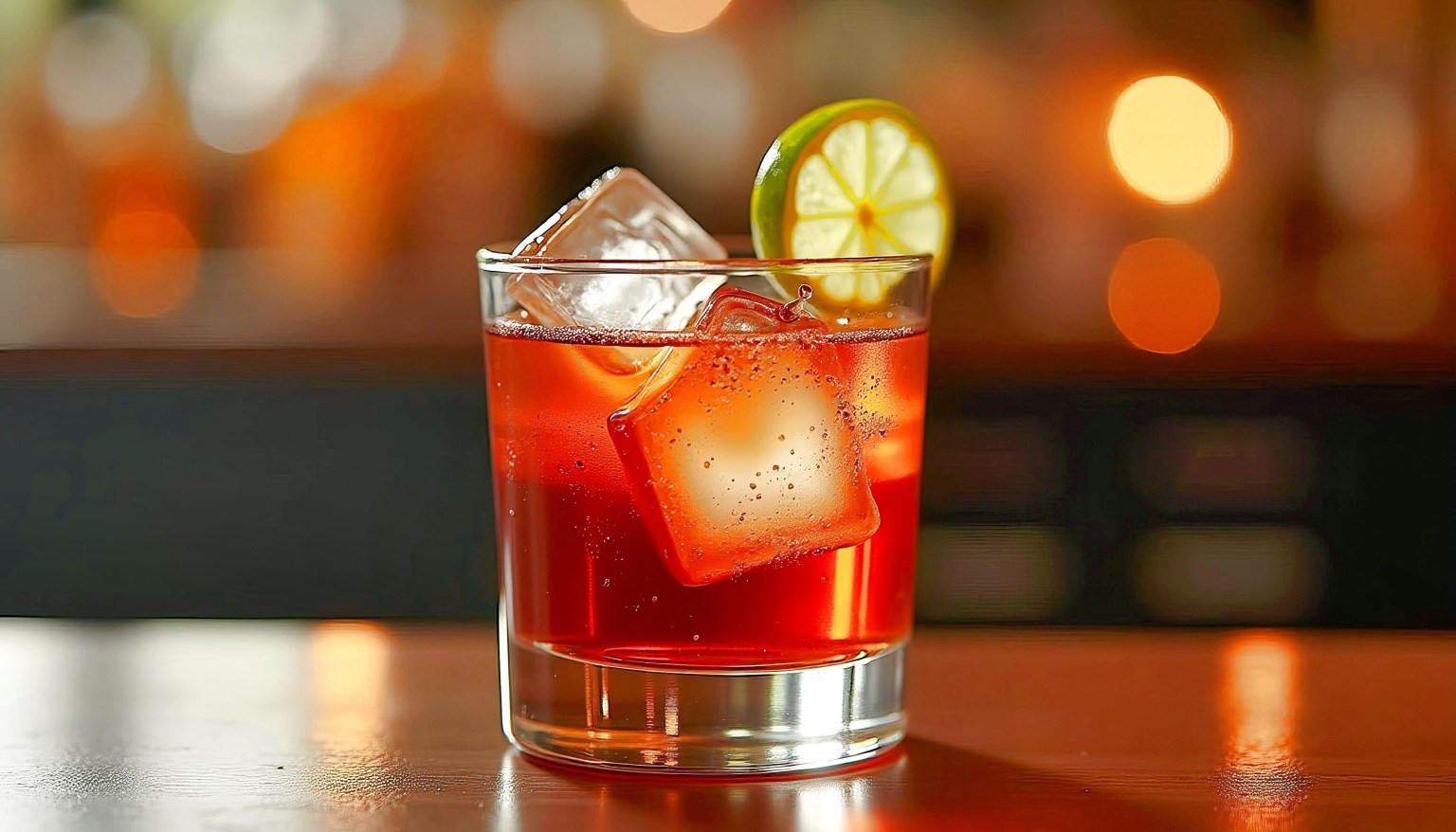
A drink that everyone agrees is too sweet usually has about the right amount of sugar in it. What it is missing is the thing that was supposed to argue with the sugar. Take a cloying zero-proof punch, add nothing but a few dashes of something bitter, and the sweetness drops away without a gram of sugar leaving the glass.
Bitterness is the one seasoning that most home kitchens do not stock on purpose. Salt, acid and heat all have a shelf. Bitter arrives by accident, in coffee and dark chocolate and the char on the edge of something, and almost never as a decision.
It is a warning system, which is why it works
Humans have roughly twenty-five different bitter receptors and one for sweet. That asymmetry is not an accident of taste; it is an alarm built for a world where bitter usually meant alkaloid and alkaloid often meant poison. Bitterness is detectable at concentrations far below anything else on the tongue.
Which is exactly why it is useful at the table. A seasoning the body is built to notice does not need much of itself to change a dish, and it registers before anything else in the mouth has finished arriving.
It is also why every version of adult pleasure runs on it. Coffee, beer, tea, dark chocolate, olives, tonic, amaro, grapefruit, radicchio. Nobody is born liking any of them. The taste is genuinely acquired, in the literal sense: repeated exposure with no unpleasant consequence turns the alarm down. And some people start further back than others, because sensitivity to certain bitter compounds is partly genetic, and a person who says Brussels sprouts taste harsh may be reporting something real rather than being difficult.
It does not remove sweetness. It argues with it.
Perceived sweetness falls as bitterness rises. Nothing has been taken out; the two are competing for the same attention and the sugar loses ground.
This is the single most useful fact about it, because it means a drink or a dessert can be made to taste less sweet without being reformulated. Grapefruit in place of orange. A strip of zest with the pith left on. Two dashes of bitters. A spoonful of strong coffee in a chocolate batter. Tonic instead of soda.
The same move rescues a sauce that has gone sugary from too much reduced tomato or too much caramelized onion, which is a common and slightly embarrassing failure that people usually try to fix with salt.
Bitterness is where a finish comes from
Bitter compounds bind to their receptors and let go slowly, which is why a bitter thing stays in the mouth long after you have swallowed it. Sweetness is gone in seconds. Acid is gone almost as fast. Bitterness is the taste with a tail.
So when a drink fails at the end rather than the beginning, bitterness is usually the missing ingredient rather than a missing technique. Fruit and sugar have no tail. A splash of strong tea, a bitter aperitif syrup, tonic, a few dashes of aromatic bitters, chicory coffee, or the zest of something with real pith will all put one back.
The same reasoning applies to the last bite of a meal. An amaro after dinner is not a digestive folk remedy so much as a very effective way of ending the evening on something that is not sugar.
Where it is already in your kitchen
The chicory family is the obvious counter: radicchio, endive, escarole, frisee, and the bitter end of a head of chicory. These are the vegetables that sit next to fat and win.
Citrus pith and zest. The white layer everyone is told to avoid is the bitter one, and a little of it deliberately included changes a syrup or a marmalade entirely.
Coffee and cocoa, in savory food as well as sweet. A teaspoon of instant espresso in a chili or a braise reads as depth rather than as coffee.
Brassicas, walnut skins, olives, hops, strong tea, fenugreek, and dark caramel taken one shade further than comfortable.
And char, which is the most available bitter in any kitchen and the least recognized as one. The black edge on a grilled onion or a blistered pepper is doing the same job as an amaro, which is part of why deep browning makes food taste like more than the sum of it. Push past brown into a little black on purpose, in one component, and the dish gains a bottom.
The dosage curve is steep and it does not go backwards
Salt has a forgiving middle. Bitterness does not. The distance between not enough and too much is small, and because bitter compounds linger, an over-bitter dish cannot be talked out of it the way an over-acidic one can.
So it is added in increments that feel too small to matter, tasted, and added again. Two dashes rather than a teaspoon. One leaf of radicchio in the salad before four. A strip of zest, not the whole peel.
And it is added late where possible, because prolonged heat extracts more of it. A strip of citrus peel simmered for an hour in a braise is a different proposition from one dropped in at the end.
Cold makes it louder
Chilling suppresses the perception of sweetness sharply and bitterness much less, so the proportions shift as a drink comes down in temperature. A syrup that tasted balanced warm on the stove will read bitter over ice, and a tonic that is pleasant cold is medicinal at room temperature because the sweetness has come back up to meet it.
This is the same effect that makes an ice cream base taste too sweet warm, running in the other direction. Taste the drink at the temperature it will be served, with the ice in it, and adjust there.
The diagnostic
Two failures get confused with each other constantly.
A dish that is flat, dull, or somehow not tasting of itself is short of salt or acid. That is the usual ladder, and it is the right one most of the time.
A dish that is rich, heavy, cloying, tiring by the third bite, or that everyone describes as too sweet without being able to say why, is short of bitterness. Adding more salt to that dish makes it heavier. Adding acid brightens the front and leaves the weight intact. Bitterness is the only one of the three that takes the richness down and gives the dish somewhere to end.
Which is a strange thing to have to argue for, given that it costs almost nothing and a bottle of bitters lasts years. The reason it is the least bought seasoning is not that it is expensive or hard to find. It is that nobody ever wrote it on the list.
Part of Drinks & Zero-Proof.


