Cabbage and Its Relatives Punish the Middle and Reward Both Ends
The smell of boiled cabbage is a chemical event with a timer on it, not a memory of bad cooking. Brief heat is fine and long heat is fine; the twenty minutes in between is where the sulfur lives.
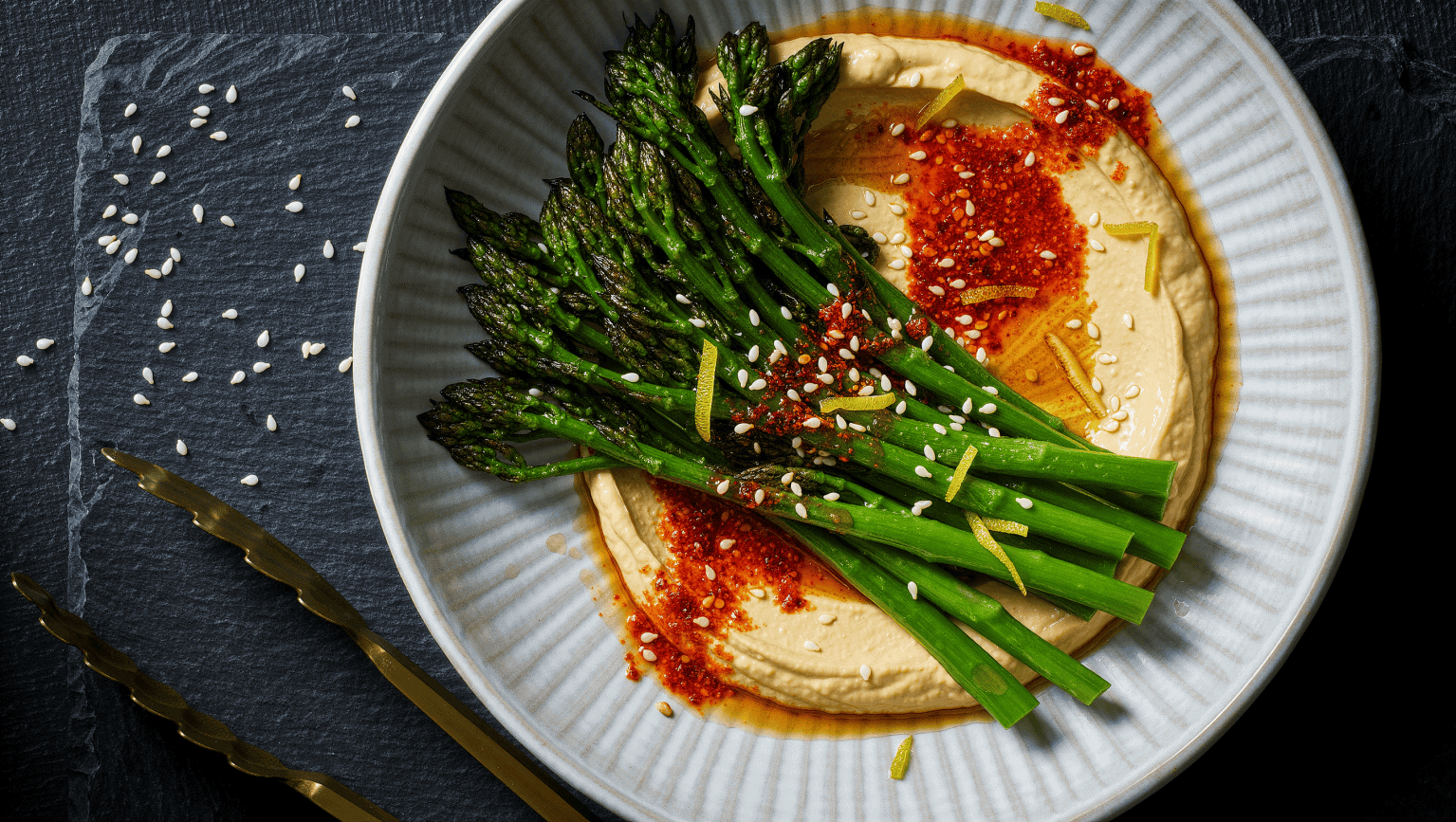
The smell of overcooked cabbage is specific, unmistakable, and it is the reason a whole family of the cheapest and most useful vegetables in the shop has a reputation problem.
It is also a chemical event on a timer rather than a verdict on the vegetable, and once the timer is visible the entire family becomes easy to cook.
The sulfur is made by damage, then made worse by time
Brassicas — cabbage, broccoli, cauliflower, kale, Brussels sprouts, kohlrabi, mustard greens, turnips — store compounds called glucosinolates in their cells, held apart from the enzyme that acts on them.
Cutting, chewing or heating breaks the cells, the two meet, and the reaction produces the sharp mustardy compounds that give raw brassicas their bite. That part is good and it is most of why they taste of anything.
What produces the smell is what comes next. Held at heat for a long time, those compounds break down further into hydrogen sulfide and related sulfur compounds, and the amount produced climbs steeply with time. Five minutes is nothing. Twenty is the school canteen.
Which gives one rule with two halves
Fast and hot, or long and committed. The middle is the only place that goes wrong.
Fast: five to eight minutes of high dry heat or a hard boil, out before the sulfur accumulates. Roasting, grilling, a very hot pan, a brief blanch.
Long: forty minutes to an hour with fat and acid, past the sulfur peak and into collapse. Braised cabbage, long-cooked collards, a soffritto of cabbage. The sulfur compounds are volatile, so an extended cook drives a great deal of them off, and what is left is sweet.
What fails is fifteen or twenty minutes of gentle wet heat — long enough to make the sulfur, not long enough to lose it, and without the browning that would cover it.
It is the same shape as the two good doneness points every vegetable has, sharpened by the fact that here the bad middle smells.
Browning is a chemical strategy, not a preference
High dry heat produces a large number of new aromatic compounds, and those compounds dominate the sulfur ones rather than merely masking them.
Which is why roasted broccoli and charred cabbage are so much more popular than the boiled versions, and why the answer to a brassica somebody says they dislike is almost always the oven at 425°F rather than a different vegetable. The browning is doing real work, not just making it look better.
Give them room on the tray. A crowded pan steams, which puts you straight back in the bad middle.
Acid goes in at the end, and it matters more here
Acid in the cooking water accelerates the conversion of chlorophyll to the drab olive pigment, so a squeeze of lemon at the start of a green brassica costs you the color you were cooking for — the reason the blanching pot stays acid-free and the lid stays off.
At the end it does the opposite kind of work: it cuts the sulfur, brightens the whole thing, and pushes the flavor away from the canteen. Vinegar with cabbage, lemon with broccoli, a splash of cider with collards. Every traditional pairing in this family involves acid and it is not a coincidence.
The bitterness is real and it is not the same for everyone
Brassicas carry genuinely bitter compounds, and sensitivity to some of them varies genetically by a large margin. Two people at the same table are not tasting the same sprout, and the one who leaves them on the plate is reporting something real.
Which means the fixes are the ones that work on bitterness anywhere: fat, salt, a little sweetness, and browning. Bacon with cabbage, butter with sprouts, a sweet glaze on roasted cauliflower — all of them are chemistry rather than indulgence.
Modern varieties are also measurably less bitter than the ones most adults grew up with, which is worth knowing before writing the vegetable off on the evidence of 1988.
Each one wants something slightly different
Cabbage is two vegetables depending on the cut. Wedges keep a piece of the core and hold together through roasting or grilling; shredded collapses fast and is for slaw or a quick sauté. It also keeps for weeks in the refrigerator, which makes it the most durable fresh vegetable in the shop.
Broccoli has florets and a stem that want different times. Peel the stem, cut it smaller, and cook it alongside rather than binning it — it is sweeter than the top.
Cauliflower has almost no chlorophyll to lose, which makes it the one that takes long dry heat best. A whole head roasted for an hour is a completely different food from the boiled florets.
Brussels sprouts want to be halved, laid cut-side down on hot metal and left alone until the flat face is properly brown. Almost every complaint about them describes the boiled version.
Kale and collards have a real second good point at the far end — forty-five minutes with fat, stock and acid, which is a different dish from the two-minute sauté and equally correct.
Raw, with salt and time
Shredded raw brassica salted and left for twenty minutes draws out water, softens the texture, and takes some of the harshness with the liquid. That is the whole method behind a good slaw, and it is why a slaw dressed immediately is watery an hour later while a salted one is not.
Massaging kale is the same operation done mechanically: breaking cell walls so it stops being a leaf you have to fight.
Buying and keeping
Pick them tight and heavy for their size. Brassicas respire quickly and get stronger-smelling as they age, so a sprout that smells assertive in the bag will be worse on the plate.
They want the humid drawer, and they are strongly ethylene-sensitive, so keeping them away from the apples buys real days. Cabbage is the exception to everything here and will sit patiently for a month.
And they do not belong in the stock pot. A handful of brassica trimmings turns a whole batch sulfurous, which is the one firm exclusion on an otherwise generous list.
Part of Recipes & Technique.


