The One Drink and the No-Drink
A Shrub Is a Preservation Technology That Happens to Taste Like Something
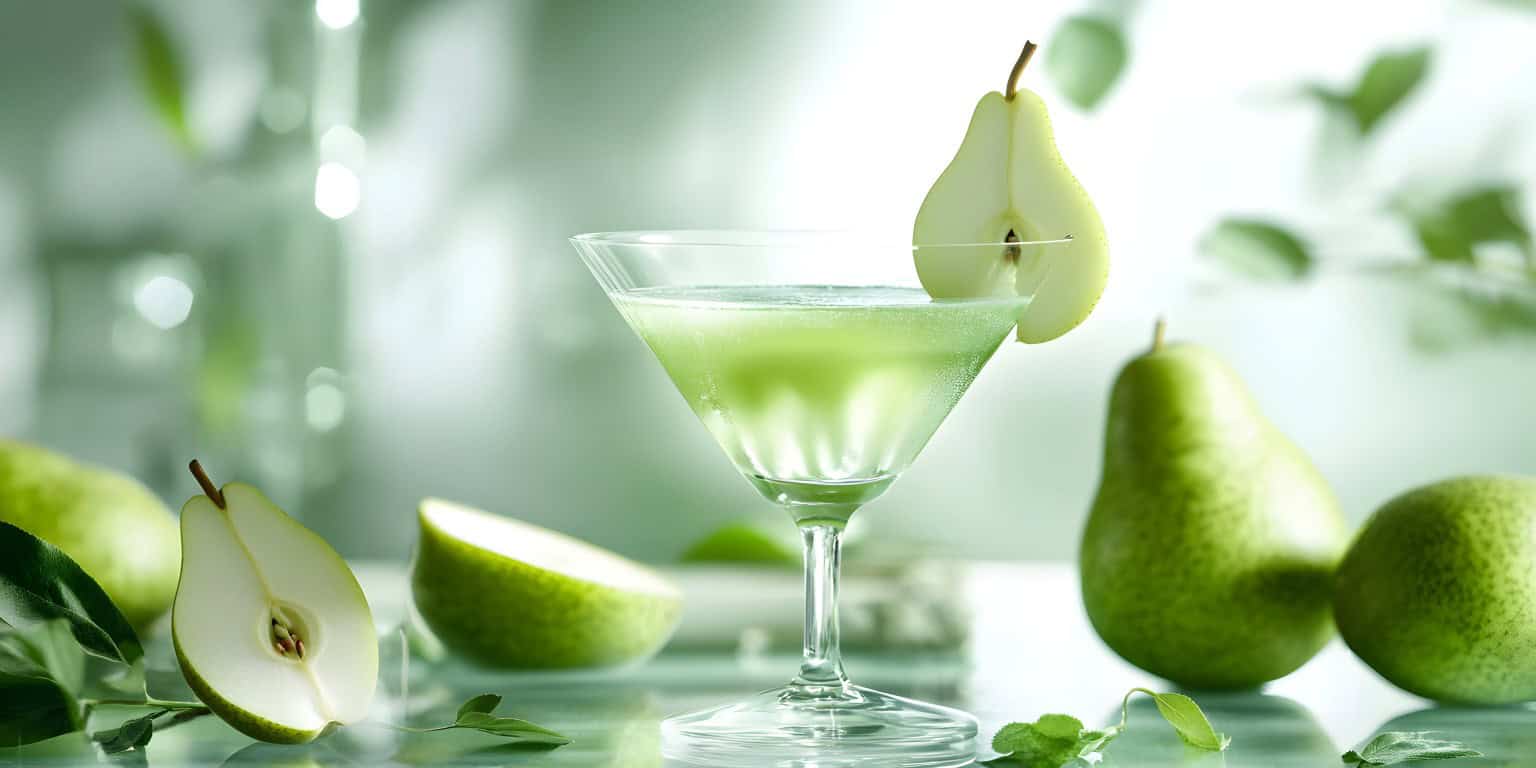
Fruit, sugar, vinegar. That is the entire recipe, it predates refrigeration by a long way, and the reason it exists is not that somebody wanted a nice drink. It is that peaches are only peaches for three weeks and somebody wanted them in February.
Which is worth knowing, because it explains every decision in the method and it explains why a shrub solves a problem in modern drinks that has nothing to do with nostalgia.
What it fixes, in a glass, right now
The acid in almost every drink you make is citric, from lemon or lime, and citric acid has two limitations. It is on a very short clock, since fresh juice starts losing its aroma within hours. And it is one-dimensional, which is how a whole evening of drinks ends up tasting like variations on lemonade.
A shrub gives you a different acid. Acetic acid is volatile, which means you smell it as well as taste it, and its sourness is broader and rounder than citric rather than sharper. Put a shrub in a drink and the acid arrives with an aroma attached and stays perceptible longer without spiking.
It also brings body, because it is half sugar, and it brings fruit that is nowhere near its season. And it keeps for months in a refrigerator, which fresh juice does not do for six hours.
Together that makes it the single most useful thing a home kitchen can have for drinks with no alcohol in them, where acid is doing more work than usual and running the whole evening on citric is a real problem.
Cold process, which is slower and better
Weigh your fruit, chop it, and combine it with the same weight of sugar in a jar. Stir it, cover it, and leave it in the refrigerator for one to two days, stirring when you remember.
What happens is osmotic. The sugar pulls juice out of the fruit without any heat, so you get a syrup carrying the aromatics of the raw fruit rather than of cooked fruit. Strain it, pressing gently, and you will have a thick fragrant liquid.
Then add vinegar, by weight, at roughly the weight of the fruit you started with. That is the traditional one to one to one, and it produces something quite aggressive. Two thirds of that vinegar weight makes a gentler shrub that most people prefer.
Now put it away and leave it alone for at least a week. This is the step everybody skips and it is the one that matters most: a fresh shrub tastes harsh and separate, and over one to two weeks the acetic edge integrates and the fruit comes forward. The difference between a shrub at day one and the same shrub at day ten is not subtle.
Hot process, for when you have no time and fruit that is going over
Simmer the fruit with the sugar and a splash of water until it collapses, strain, cool, add the vinegar. Twenty minutes instead of two days.
It tastes cooked, which is not a criticism. Cooked stone fruit, cooked berries and cooked rhubarb are all excellent, and for anything you plan to serve warm or to use in the kitchen, hot process is the better choice. For anything where you want the drink to smell like the raw fruit, it is not.
The vinegar is an ingredient and the cheap one will ruin it
Do not use distilled white vinegar. It is harsh, it has no character of its own, and it will dominate.
Apple cider vinegar is the default and it is a good one: round, slightly sweet, works with almost every fruit. White wine or champagne vinegar is cleaner and lets delicate fruit through, so it is the right call for anything floral or for berries. Rice vinegar is soft and low in acid, around four percent rather than five or six, so it makes the gentlest shrub in the group and needs no dilution. Sherry vinegar is nutty and very good with stone fruit and figs.
Which of the seven vinegars in the cupboard you reach for is the single biggest flavor decision in the whole process, and it gets made in half a second by whichever bottle is at the front.
Why it keeps, which is the original point
Two things are doing the preserving and they are both doing it well. The sugar is binding the available water, which starves most spoilage organisms. The vinegar is dropping the pH below about 4, which is hostile to nearly everything you would worry about.
Together they make a product that is stable for months refrigerated and will get better for the first month of it. That is the entire reason our great-grandparents made these, and it happens to be a perfect description of what a modern kitchen wants: a fruit flavor with acid and body already built in, available in January, that does not need to be made the afternoon of.
Where it goes once you have it
An ounce of shrub topped with cold sparkling water and a lot of ice is a complete drink and takes fifteen seconds. Half an ounce in place of the citrus in almost any sour works and changes the character considerably. It makes a vinaigrette without any further thought. It deglazes a pan of pork or duck beautifully, which is the same acid doing the same job in a different room. And a spoonful over vanilla ice cream is better than it has any right to be.
Make one jar in late summer when the fruit is cheap and good. In February you will have one thing in the refrigerator that tastes like it came from somewhere, which was the point the whole time.
Part of Drinks & Zero-Proof.
Where this goes next
