Build Dinner Backward from the Job It Needs to Do
A recipe is more useful when it solves a dinner problem. Start with the job—fast, make-ahead, flexible, transportable, crisp, or crowd-friendly—then choose the dish.
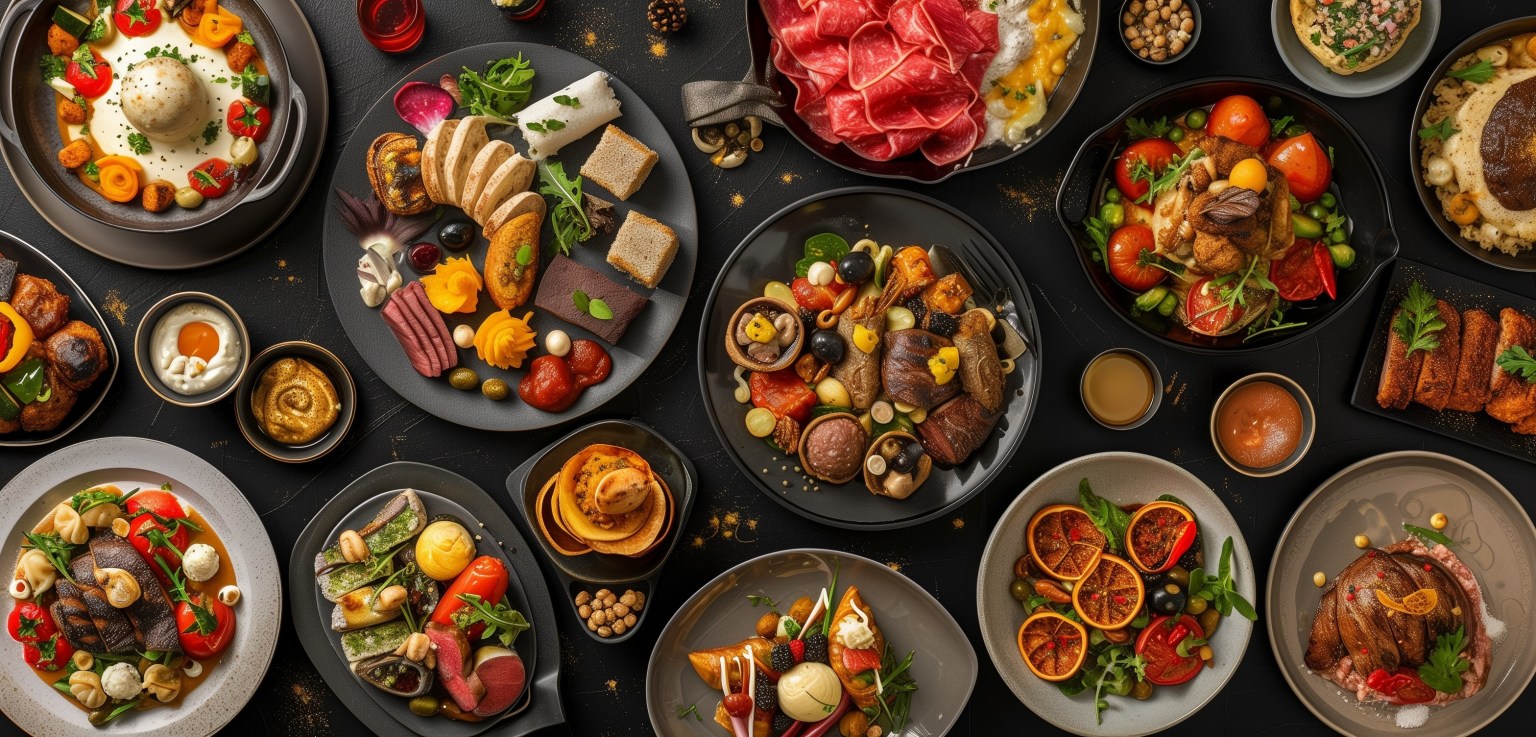
Recipes are not interchangeable units of dinner. A gorgeous dish that demands twenty minutes of last-second sautéing is a bad choice when the host also needs to carve, dress a salad, and answer the door. The recipe is not the dinner. The job is.
Name the job first. Then pick the dish. If you reverse that order, you will spend the last half hour performing a restaurant in a kitchen that is not one.
Name the job before choosing the recipe
- Fast: dinner must be on the table in thirty minutes. That is a skillet, a salad, and bread — not a braise you wish had started at noon.
- Make-ahead: most work must happen before guests arrive. If the recipe still needs a last-minute sear, it is not make-ahead. It is make-almost-ahead.
- Flexible: appetite, arrival time, or head count may move. Choose food that can wait, stretch, or be held without collapsing.
- Transportable: the food has to survive a drive. Skip anything that weeps, shatters, or needs a torch at the destination.
- Low-attention: the cook needs to be elsewhere during service. One oven, a lid, a timer. Not four pans.
- Texture-critical: crispness or doneness matters more than holding time. Then the rest of the menu has to hold so this one thing can be last.
Then choose one hero and supporting jobs
If the main dish is high-attention, the sides should hold. If the main dish is rich, the supporting dishes should create acid, bitterness, freshness, or crunch. If the main dish is delicate, avoid a service plan that makes it wait. A menu of four heroes is not a menu. It is four collisions.
A roast chicken can be the hero if the salad is already dressed and the dessert is already cold. A seared fish can be the hero if the starch is a pot that waits. A tart can be the hero if dinner was a stew. Pick one thing that needs you at the end. Let everything else be furniture.
Give each recipe an exit condition
Know what “done” means: temperature, texture, color, reduction, or timing. Vague completion creates last-minute hovering. “Until it looks right” is how two dishes miss the same window. Write the number down. Use it.
Use the title as a promise
A “make-ahead” recipe should state what can be made early and how to reheat it. A “weeknight” recipe should not hide forty minutes of prep. A “crowd” recipe should state realistic yield and equipment needs. If the title lies, the night will too.
Build dinner backward from the last thirty minutes, not forward from a photograph. That is the logic behind Recipes and Technique and Menus.
Part of Hosting & Service.


