The One Drink and the No-Drink
The Ceiling Rose: Lychee, Elderflower, and White Tea Sparkler
Elderflower liqueur is the most over-poured bottle in any home bar. A quarter ounce is a measurement. It is not a rounding error on the way to an ounce.
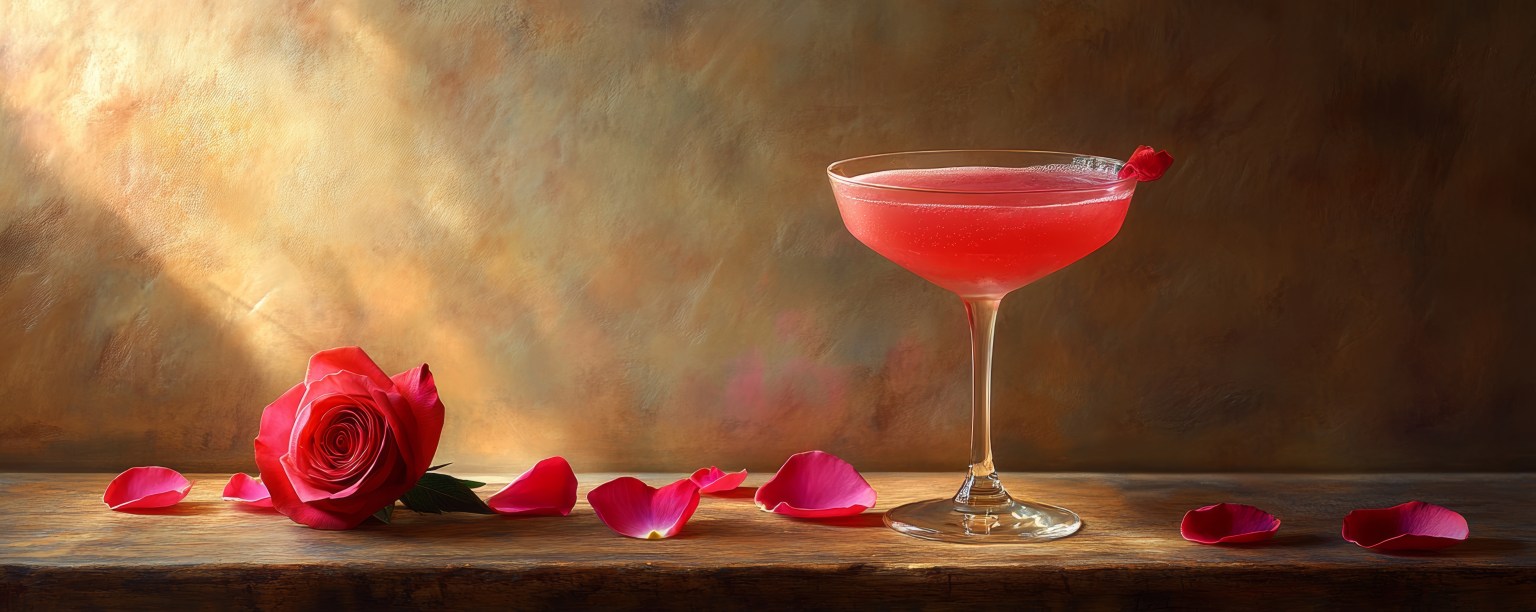
Serve alongside
Thin salt crackers with cold butter, or oysters if the evening has that sort of budget. The drink is floral and faintly sweet: anything with its own perfume fights it, anything salty and plain makes it look expensive.
Tools
Shaker and a fine strainer. A jigger with a 1/4-ounce mark, or a measuring teaspoon and the knowledge that half a tablespoon is a quarter ounce. A small saucepan and a glass measuring cup you can read from the side. Coupes in the freezer.
Ingredients · swaps in parentheses
Vodka (a restrained floral gin) · white tea · a can of lychees in syrup · elderflower liqueur (elderflower syrup, for the zero-proof build) · lemon · dry sparkling wine — brut, crémant, cava, anything but sweet prosecco
Magic
Reduce the syrup from the lychee can. Everyone either pours it down the sink or uses it neat, and both are wrong — neat it is sugar water with a rumor of fruit in it. Simmer the whole cup down to about a third, low heat, eight minutes, no stirring, and it becomes a proper lychee concentrate: floral, faintly honeyed, unmistakably the fruit. Use 1/2 ounce of that plus 1/4 ounce water in place of the 3/4 ounce of lychee juice. Not feeling brave? Use canned lychee juice straight and add a teaspoon more lemon to cut it.
Gotcha
Take it past a third and the sugar starts caramelizing, which is fatal here — butterscotch in a pale floral drink reads as a mistake, not a variation, and it happens in the last ninety seconds. Watch it against the side of a measuring cup rather than judging by eye in the pan, and pull it while it is still pale straw.
A quarter ounce of elderflower liqueur is a measurement. It is not a stop on the way to an ounce. That bottle is the most over-poured thing in most home bars, partly because it is delicious on a spoon and partly because a quarter ounce looks like nothing in a jigger. Pour more and everything in the glass goes the same shape — sweet, floral, indistinct, faintly of hand soap. Lychee is already floral. Elderflower is there to widen it, not to duplicate it.
The bigger opportunity is sitting in the can.
The syrup nobody uses
Canned lychees come packed in about a cup of syrup that gets treated as packaging. It is not packaging. It is a cup of liquid that has spent months in contact with lychees, and what it lacks is not flavor but concentration — there is simply too much sugar and water wrapped around too little fruit. Simmer it down to a third and the ratio corrects itself. Eight minutes on low, no stirring, cooled and jarred, and you have a fortnight of lychee concentrate in the fridge that is better than anything sold as lychee juice.
Then the drink stops relying on the elderflower to do all the smelling, which is what lets the quarter ounce hold its line.
The build
One drink, eight minutes. Coupe or flute, straight from the freezer.
- 1 ounce vodka
- 1 ounce chilled white tea
- 3/4 ounce lychee juice — 1/2 ounce reduced can syrup plus 1/4 ounce water
- 1/4 ounce elderflower liqueur
- 1/2 ounce fresh lemon juice
- 2 ounces dry sparkling wine
- 1 lychee, or a narrow lemon twist
The pour, drawn to scale
- vodka1 ounce18%
- chilled white tea1 ounce18%
- lychee juice3/4 ounce14%
- elderflower liqueur1/4 ounce5%
- fresh lemon juice1/2 ounce9%
- dry sparkling wine2 ounces36%
Brew the tea below boiling, four minutes, strain, chill. White tea punished with boiling water goes bitter and loses exactly the soft dry quality it was hired for. Shake vodka, tea, lychee, elderflower and lemon with ice for eight seconds — short, because there is no cream or citrus load to emulsify and a long shake only waters it down before the wine gets there. Fine-strain into the cold glass. Top slowly with sparkling wine, poured down the inside wall. Garnish with one lychee on a short pick.
The sparkling wine never goes in the tin. That should not need saying and yet every year somebody does it, produces a foam volcano, and blames the shaker.
Glass and temperature
This is a small, cold drink with no ice in it, which means the glass is the entire cooling system. Freezer, twenty minutes minimum. A coupe holds the aroma better; a flute holds the bubbles longer. I use the coupe and accept the trade, because the point of the drink is that it smells like something.
Everything else should be cold too. Room-temperature tea will flatten the wine on contact, and there is no recovering the bubbles once they have gone.
For six
Combine 6 ounces vodka, 6 ounces white tea, 4 1/2 ounces lychee juice, 1 1/2 ounces elderflower liqueur and 3 ounces lemon. Refrigerate up to four hours. Three and a half ounces into each cold glass, then top each with sparkling wine as you hand it over.
Batching this one is genuinely worth it because the fiddly part — the quarter-ounce pour, six times, while talking — is where the drink usually goes wrong. Measured once into a bottle, it stays right all evening.
Without alcohol
1 1/2 ounces white tea, 1 ounce lychee juice, 1/2 ounce lemon, 1/4 ounce elderflower syrup, topped with dry nonalcoholic sparkling wine. This is the rare case where the alcohol-free version might be the better drink: vodka contributes almost nothing here except length, and taking it out lets the tea tannin come forward and dry the finish properly.
The reduced can syrup helps even more in this build, since there is no spirit to carry aroma. Use it.
Garnish, once
One lychee. Or one narrow twist. Not both, and not an edible flower on top of either — a cluster of decoration on this drink is the equivalent of installing three ceiling medallions because the first one looked good. Clear glass and a column of bubbles is already a great deal of detail.
Alongside
Smoked salmon, cured trout, mild cheeses, sesame crackers, cold shrimp, salted almonds. It is an opening drink and behaves like one. Almond cake works at the other end of the evening; anything heavily sweet flattens both the tea and the wine and leaves the lychee sounding shrill.
Overlooked surfaces given a larger role is the business of Room for Drama. Here the overlooked surface was the inside of a tin.
Part of Drinks & Zero-Proof.


