The Leftover Allocation Rule: Reserve Dinner Two Before Serving Dinner One
The useful leftover is not what happens to remain. Decide the second meal, remove its quantity before dinner one reaches the table, and store it for the job it already has.
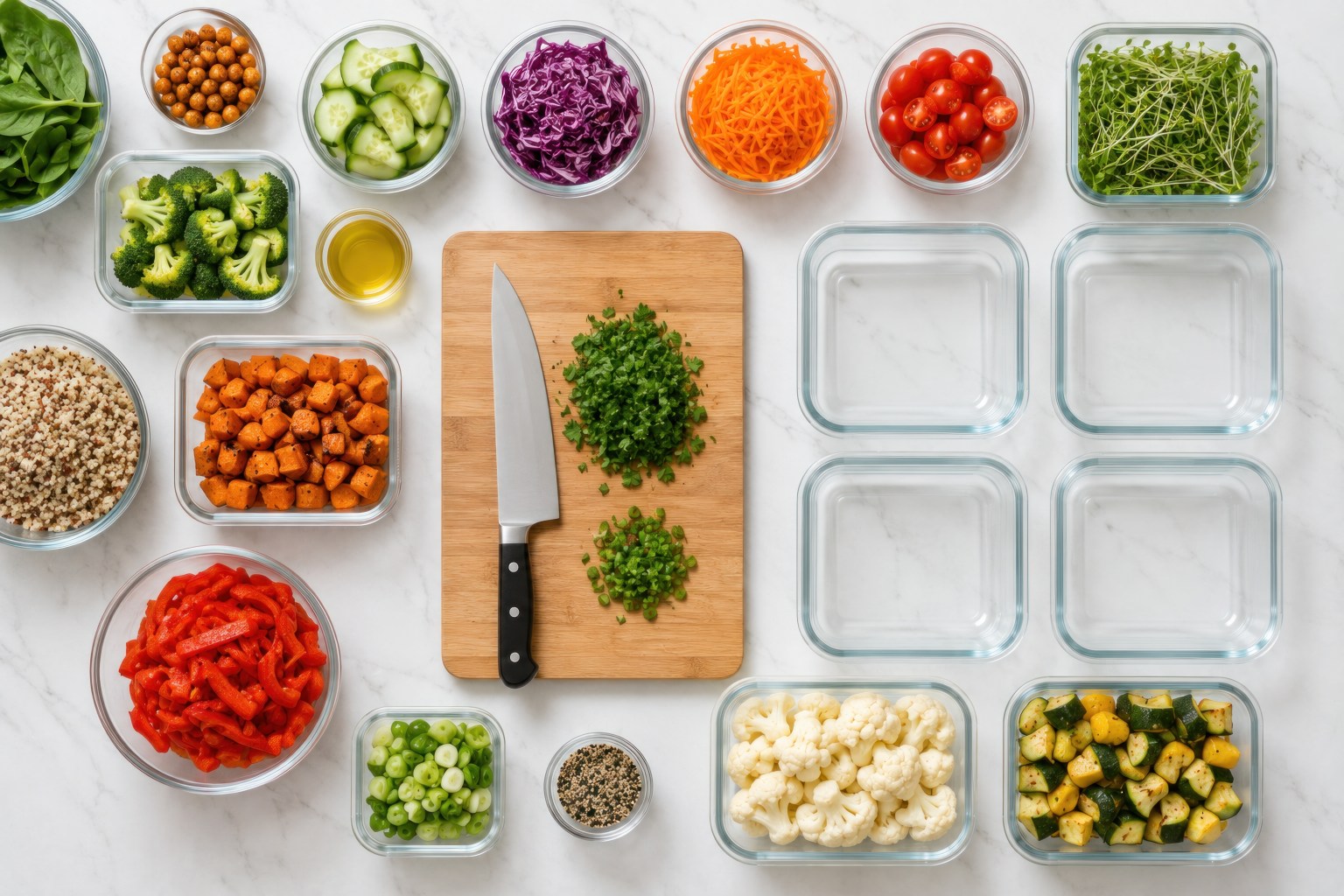
A useful leftover is the portion dinner was never allowed to touch.
There is a small moment in a big cooking day when the entire leftover plan either becomes real or turns back into wishful thinking.
The meat is rested. The grain is cooked. The vegetables are out of the oven. Everything looks abundant. People are hungry. You put the whole thing on the table.
And then you tell yourself, We will save some for Tuesday.
No. That is how Tuesday ends up with four ounces of meat, one heroic spoonful of rice, and a container of sauce nobody remembers choosing.
The portion for dinner two has to leave the room before dinner one begins.
That is the allocation rule.
The leftover is a reservation, not a prediction
Most leftover planning starts too late. It asks what remains after everyone has eaten, which means the answer depends on appetite, serving behavior, seconds, one guest who loved the potatoes, and the very normal human tendency to keep putting food on the table because the platter looks better full.
A planned second dinner cannot depend on that.
If Tuesday needs eighteen ounces of cooked chicken, then eighteen ounces of cooked chicken belongs to Tuesday before Sunday dinner is served. Put it in a shallow container. Keep the finishing sauce separate if Tuesday needs another direction. Label it. Refrigerate or freeze it on purpose.
What remains on the serving platter is dinner one.
This sounds almost absurdly simple. It is also the difference between having a second meal and having evidence that a first meal happened.
Do the allocation from cooked food, not raw optimism
Raw package weight is useful when you shop. It is a poor number for dividing future meals because bone, fat, trimming, moisture loss, and cooking method all change what is actually available to eat.
So use an estimate to buy the food. Use a scale to allocate it after cooking.
Rest the meat if it needs resting. Remove bones. Separate anything genuinely unusable. Keep valuable cooking liquid, sauce, or drippings in their own container rather than pretending they are part of the meat weight. Then weigh the cooked food you can actually serve.
That is the number that gets a job.
THE ALLOCATION PLATE
1. Weigh what is actually edible.
Do not divide a raw package after the cooking loss has already happened.
2. Name dinner two.
Not “leftovers.” Tacos. Rice bowls. Soup. Crisp chicken salad. Something with a shape.
3. Set the quantity that meal needs.
Use the role the ingredient will play, not a ceremonial equal split.
4. Remove it before serving dinner one.
The reserved portion never enters the negotiation for seconds.
5. Decide now whether meal three belongs in the freezer.
If it will not be used within the refrigerated window, stop making the refrigerator babysit it.
Equal portions are usually the wrong portions
One of the stranger habits in meal-prep culture is the insistence that future meals should receive matching stacks of food, as though symmetry itself were efficient.
It is not.
A centerpiece portion and a filling portion are different quantities.
Suppose you have fifty-six ounces of cooked chicken after bones and unusable bits are removed. Dinner one is roast chicken for four people. Tuesday is a noodle bowl with vegetables, herbs, chile, and broth. A later portion is going into soup.
You do not need to divide the chicken into three equal containers just because there are three meals.
Dinner one might use twenty-four ounces because chicken is the obvious center of the plate. Tuesday may need sixteen ounces because the chicken is distributed through noodles and vegetables. The soup may need eight to twelve ounces because broth, greens, starch, and aromatics are doing more of the volume work.
The remaining portion can be frozen for a future meal rather than forced into the current week merely to make the numbers look tidy.
The right allocation is the one that fits the food’s next job.
Protect the future meal from tonight’s finishing choices
The second dinner is easiest to ruin with enthusiasm.
You roast the pork. You make a beautiful sticky glaze. It is good. Naturally, you toss all of the pork in it.
Now Tuesday’s supposed crisp pork with lime, cabbage, and chile tastes like Sunday’s sweet glaze wearing a tortilla.
The same thing happens with dressed grains, sauced pasta, buttered vegetables, delicate herbs, crisp toppings, and anything acidic enough to change the texture while it sits.
Reserve the base component before the irreversible finish.
Unsauced meat has options. Sauced meat has a biography.
Keep tomorrow’s portion flexible unless the same sauce is intentionally part of tomorrow’s plan.
Allocate the bridge ingredients too
The reserved protein is not a second dinner if the second dinner requires another grocery trip large enough to qualify as a separate project.
When you name dinner two, name the bridge.
Pork shoulder to tacos may need tortillas, cabbage, lime, and one fresh chile. Roast chicken to rice bowls may need cucumber, scallions, herbs, and a sharp sauce. Braised beef to toast may need good bread, mustard, pickles, and a bitter salad.
That is a useful bridge: a short list of inexpensive things that changes the structure, texture, temperature, or flavor of the meal.
If your “leftover dinner” requires eleven new ingredients, a specialty condiment, and forty-five minutes of fresh prep, the system has started eating its own savings.
The expensive or time-consuming work should already be done.
Do not allocate food you do not actually want
Planning is not a moral obligation to rescue every spoonful.
A cup of braised meat can have a very good next life. So can roasted vegetables, grains, stock, sturdy sauces, and cooked beans if beans are your thing. A tiny amount of dressed salad that will be limp by morning does not become more valuable because it has a lid.
Be realistic about the useful component.
The allocation rule is not “save everything.” It is “save enough of the right thing to remove real work from another meal.”
That distinction matters because refrigerator space is also a resource. So is attention. So is the willingness to open a container three days later and still want what is inside it.
The host version is slightly different
When guests are involved, allocation has another advantage: it protects the next meal without making the table feel rationed.
If you need sixteen ounces of the braised meat for Tuesday, remove it before the serving dish appears. Then serve the remaining dinner generously. No hovering over the platter. No mental arithmetic every time somebody takes seconds. No quiet resentment because a person who reasonably thought they were invited to dinner has accidentally eaten Wednesday.
The reserved portion is already handled.
This is especially useful when a menu deliberately overproduces one flexible component. Make extra of the thing that has a strong second job, not extra of the fragile thing that dies on contact with the refrigerator.
A braise can earn tomorrow. A dressed salad probably cannot.
Food safety belongs inside the allocation, not after it
Current U.S. food-safety guidance says perishable cooked food should generally be refrigerated within two hours, or within one hour when it has been exposed to temperatures above 90°F. Leftovers should be cooled in shallow containers, most cooked leftovers should be used within three to four refrigerated days, and reheated leftovers should reach 165°F. See the current FoodSafety.gov guidance and USDA FSIS leftovers guidance.
Those rules change the planning.
If dinner three is not realistically happening inside the refrigerated window, freeze that portion on night one. Do not leave it in the refrigerator because perhaps the week will reorganize itself around your pork shoulder.
It will not.
Write the future use on the container
Dates are necessary. Jobs are better.
Chicken — 16 oz — Tuesday noodle bowls.
Pork — 12 oz — freeze — fried rice.
Braising liquid — 1 cup — sauce base.
That label is a tiny decision made while you still remember what you were doing.
Three days later, it is the difference between opening the refrigerator and seeing ingredients with momentum versus a row of containers asking you to start thinking from zero.
The point is not leftovers. It is not starting over.
I like ambitious cooking. I do not like discovering on Tuesday that Sunday’s ambition apparently bought me no future ease at all.
The allocation rule is the part that fixes that.
Name the next meal while the first one is still under your control. Weigh what you actually have. Remove the next portion before the serving platter goes out. Protect it from the finish that belongs to tonight. Freeze the later portion early enough that it does not become a deadline.
Then serve dinner.
Tomorrow is no longer whatever survives.
It already has dinner.
Part of Planned Leftovers, in Kitchen Systems. Read The Leftover Plan Starts Before Dinner for storage and cleanup planning, or carry a larger meal into Occasion before quantities are locked.
Part of Hosting & Service.
Where this goes next

