Salted Honey Pear Galette with a Crust That Forgives You
A free-form pear tart built entirely around keeping the bottom crust crisp, with honey, lemon, and a crust that patches with a wet fingertip.
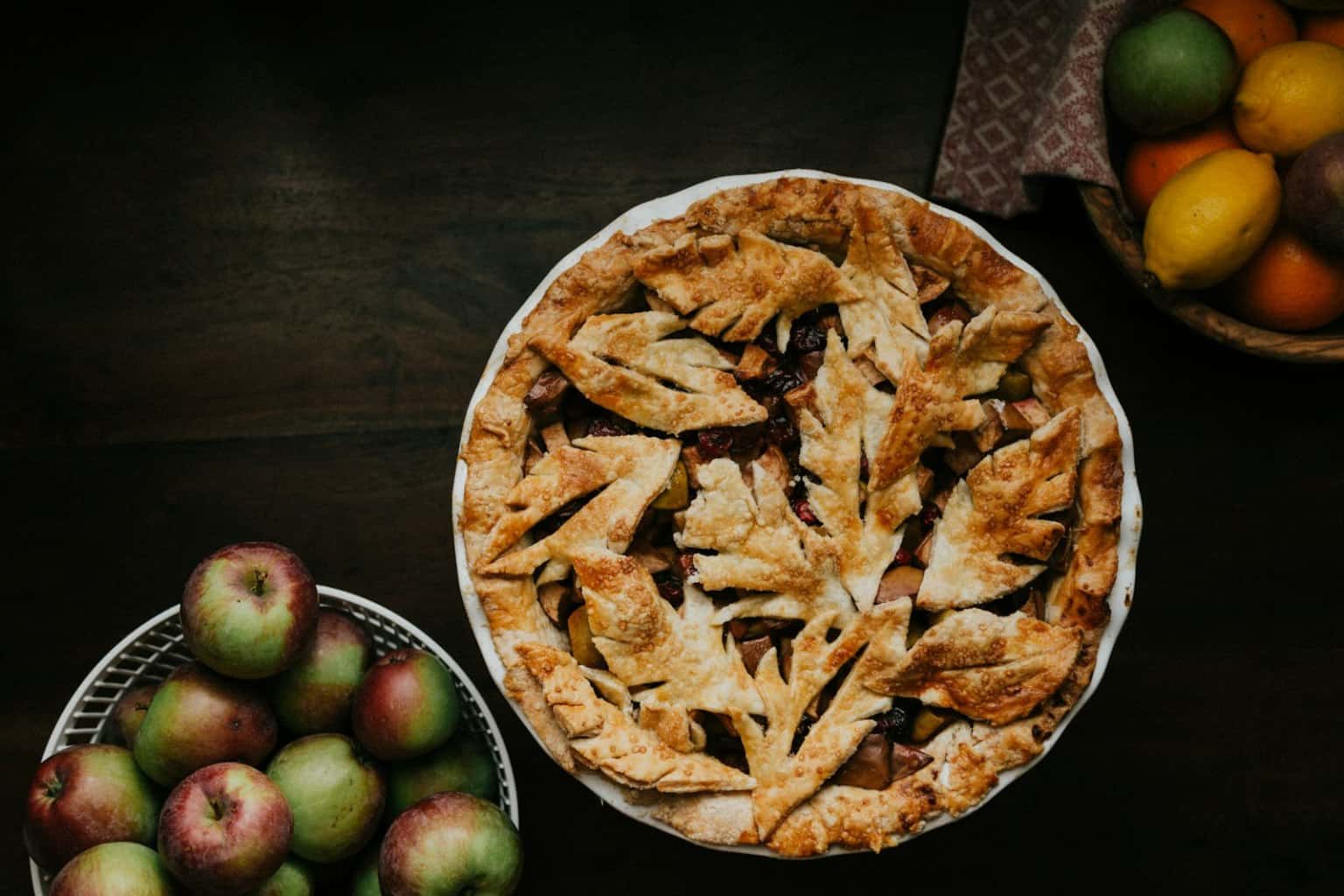
The parts that change whether this works tonight.
- Yield
- 8 servings
- Time
- Prep 30 minutes, plus chilling · Cook 45 minutes
- Equipment
- A sheet of parchment doing double duty as rolling surface and transport
- The method
- 12 ingredients · 4 steps
From this recipe’s own yield and timing lines and Kitchen Kit. Nothing here is a guess.
Pairing
Wine — A late-harvest Chenin Blanc from Vouvray, or a Sauternes if the evening is bigger than a Tuesday. Honey in the tart wants honey in the glass, and Chenin's quince-and-pear line means the wine agrees with the fruit instead of introducing a new one. Mixed drink — Calvados, neat, in a small glass. Apple brandy beside a pear galette is a near-miss on purpose — close enough to belong, different enough to notice. Teetotaler — Chamomile, brewed strong and served hot. Same honeyed, slightly floral register as the tart, without adding a gram of sugar to something already finished with flaky salt.
Tools
A sheet of parchment doing double duty as rolling surface and transport. Rolling pin, pastry brush, rimmed sheet pan for the leaks that will happen. A bench scraper is not required but makes you feel competent.
Ingredients · swaps in parentheses
All-purpose flour, sugar, kosher salt, cold butter, ice water, firm-ripe pears (apples), flour or almond flour for the fruit, honey (maple syrup), lemon juice, cinnamon, egg wash, flaky salt
Magic
Crack a scant half teaspoon of black peppercorns coarsely and toss them with the pears, honey, and lemon. Pepper on pear is not a novelty. The heat arrives late, behind the honey, and stops the whole thing from reading as dessert-shaped sugar. Not feeling brave? Pepper only one half of the fruit and see which side of the galette disappears first.
Gotcha
A truly ripe pear will flood the crust and there is no recovery once it happens. Buy firm-ripe fruit that resists a thumb at the shoulder, and if the pears you have are soft, slice them thicker and add a third tablespoon of flour.
The usual galette failure is not the crack in the dough. It is the underside: pale, damp, faintly gray, holding the shape of a crust without any of the snap. You do not discover this until you cut it, at which point the fix is retroactive and unavailable.
Everything in this recipe is aimed at that one problem. Firm fruit, absorbent flour, a hot oven that sets the base before the syrup can find its way through, and a long rest that lets the juice thicken rather than run. The folded edge and the rustic look are just what happens when you stop fighting the pastry.
Yield: 8 servings
Prep: 30 minutes, plus chilling
Cook: 45 minutes
Ingredients
- 1 1/4 cups all-purpose flour
- 1 tablespoon sugar
- 1/2 teaspoon kosher salt
- 8 tablespoons cold butter, cubed
- 3 to 5 tablespoons ice water
- 3 firm-ripe pears, thinly sliced
- 2 tablespoons flour or almond flour
- 2 tablespoons honey
- 1 tablespoon lemon juice
- 1/2 teaspoon cinnamon
- 1 egg beaten with 1 teaspoon water
- Flaky salt
Method
Where the time goes
- 30 minMake the dough and stop early
- Dress the fruit400°F
- Roll on parchment
- 40–45 minBake hard, then wait
- Make the dough and stop early. Mix flour, sugar, and salt. Cut in the butter until the pieces are pea-sized and some are flatter than that. Add ice water a tablespoon at a time, only until the dough holds when squeezed. Shape into a disk and chill 30 minutes.
- Dress the fruit. Heat oven to 400°F. Toss the pears with honey, lemon, cinnamon, and flour. For the magic version, crack the peppercorns and toss them in with the honey here.
- Roll on parchment. Roll the dough into a 12-inch round directly on parchment. Arrange the pears in the center, leaving a 2-inch border. Fold the edges over the fruit in overlapping pleats, pressing each one down where it lands.
- Bake hard, then wait. Brush the crust with egg wash. Bake 40 to 45 minutes, until deeply browned and bubbling in the center. Finish with flaky salt and cool at least 25 minutes before cutting.
Baking does not negotiate, and pastry is where that shows
A stew will absorb your improvisation and often improve. Pastry will not. The water quantity is a range because flour varies, but the target is fixed: dough that holds together under pressure and still shows streaks of butter. Add water past that point and you have made a dough that rolls beautifully and bakes tough.
The good news is that a galette is the most forgiving format pastry offers. Cracks patch with a damp fingertip. An oval instead of a circle is invisible once it browns. What you cannot improvise is the chill, the oven temperature, or how much liquid the fruit brings.
The pear is the variable, not the recipe
Bosc holds its shape and stays slightly grainy in a way that works here. Anjou is softer and sweeter. Bartlett, once it has any give at all, turns to sauce in the oven and takes the crust with it. Press near the stem end: firm-ripe means a little yield there and none at the belly.
The flour tossed with the fruit is not thickening in the pudding sense. It is there to catch and hold the first rush of juice while the pastry underneath is still setting. Almond flour does the same job and brings a faint marzipan note that suits pears and honey. If you want insurance, scatter a tablespoon of the almond flour directly on the pastry before the fruit goes down.
Fold, do not flute
The edge is structural. Each pleat should overlap the last by a good inch and get pressed firmly at the base, because a loose fold unrolls in the oven and lets syrup escape onto the pan. Some escape is fine and even desirable, since it caramelizes on the parchment into a brittle candy that you should eat standing up. Total structural failure is a different event.
Egg wash goes on the folded pastry only. On the fruit it makes a strange varnish. Brush it thin, because pooled egg wash bakes into a rubbery patch.
The cooling time is not politeness
Cut a galette straight from the oven and the filling runs, the bottom steams itself soft, and the slice collapses on the way to the plate. Twenty-five minutes lets pectin and starch set into something sliceable. It is still warm. Nobody is asking for room temperature out of principle.
Color is the other thing people rush. Pale pastry is undercooked pastry, whatever the timer says. Deep golden brown at the pleats, darker where the pleats overlap, and visible bubbling at the center are the actual doneness signals.
Serve, swap, store
Crème fraîche is the better partner because its sourness pushes against the honey. Vanilla ice cream works and is a softer choice. Apples slice and bake on the same timing with a firmer result. Maple syrup can replace honey and shifts the whole thing darker and more autumnal.
Keep it covered at room temperature for 1 day or refrigerate for 3 days, then recrisp at 350°F for 8 minutes. Refrigeration softens the base, and the recrisping step is what brings it back. If the crust came out pale, bake it longer next time rather than trusting the clock.
Part of Recipes & Technique.
Recipe provenance: Salty & Clever editorial formulation, built from established culinary technique and the traditions identified in the article. No chef, restaurant, family, or firsthand cultural provenance is claimed unless it is explicitly named and sourced. How we write and check recipes
Where this goes next

