Silky Tomato–White Bean Soup Without a Cream Carton
A pantry tomato soup made velvety with white beans, with enough body for dinner and no cream required.
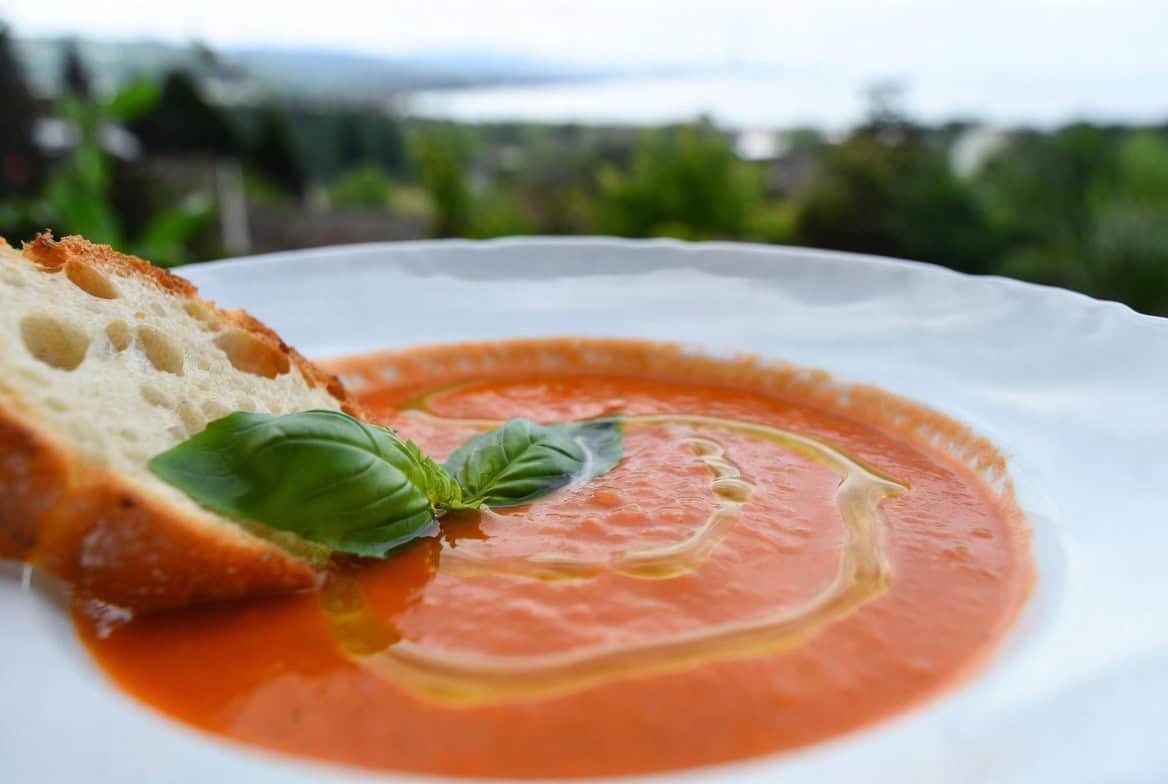
Tomato soup often asks for cream to supply body, then lets the cream sit on the tomato until both become less interesting. White beans take a quieter approach: they thicken, soften acidity, and bring enough substance to turn a bowl into dinner.
I should say this plainly because the voice of the site matters: I am not a bean person, and canned food is not how I personally build my kitchen. This recipe is for readers who do use both. The technique is still useful, and it solves a real problem without pretending I suddenly developed a private devotion to cannellini beans.
Yield: 6 cups, serving 4
Prep: 10 minutes
Cook: 30 minutes
Pantry roster
- 2 tablespoons olive oil
- 1 small onion, chopped
- 2 garlic cloves, sliced
- 2 tablespoons tomato paste
- 1/2 teaspoon dried oregano
- 1/4 teaspoon red pepper flakes
- 1 28-ounce can whole peeled tomatoes
- 1 15-ounce can cannellini beans, drained and rinsed
- 2 cups vegetable or chicken broth
- 1 teaspoon kosher salt, plus more as needed
- 1 teaspoon red wine vinegar
- Basil, Parmesan, or olive oil for serving
Method
- Heat oil in a saucepan over medium heat. Add onion and cook 6 to 8 minutes, until soft but not browned.
- Add garlic, tomato paste, oregano, and chile. Cook 2 minutes, stirring, until the paste darkens slightly.
- Add tomatoes with their juices, beans, broth, and salt. Break up tomatoes with a spoon. Simmer uncovered for 18 to 20 minutes.
- Blend until very smooth, working in batches if using a countertop blender. Return to the pan and stir in vinegar. Adjust salt and thickness with broth or water.
The beans are a texture tool before they are a flavor
Cannellini beans bring starch and protein, but the important thing in this soup is what happens when they are blended. They thicken the liquid and give the tomato purée enough body to feel creamy without requiring a carton of cream.
That does not mean the beans disappear completely. They soften the tomato’s acidity and add a mild earthy flavor. If you actively dislike beans, this is not a magic invisibility cloak. If you simply want body without dairy, they are doing a useful job.
This is the distinction I care about: an ingredient should solve something. “Healthy swap” is not a personality. Texture is.
Cook the tomato paste until it changes
Two tablespoons of tomato paste can taste flat and metallic if they are merely stirred into liquid. Give the paste two minutes with the onion, garlic, oregano, and red pepper flakes so it darkens slightly and becomes more concentrated.
You are looking for the smell to shift from raw tomato paste toward something sweeter and deeper. Stir it so the garlic does not burn and the paste does not weld itself to the pot.
This step does more for the finished soup than adding another garnish later.
Whole tomatoes give you more control over texture
Whole peeled tomatoes are easy to break up during simmering and blend into a very smooth base. Crushed tomatoes work, but their texture and processing vary more from brand to brand.
If the canned tomatoes are very acidic, the beans will soften some of that edge, but do not automatically reach for sugar. Simmer first. Blend. Taste at serving temperature. Then decide what is missing.
Tomato flavor changes with heat and concentration. A soup that tastes harsh at minute five may be much rounder at minute twenty-five.
Do not brown the onion for this version
There are soups where deeply browned onion is excellent. Here I want the tomato to stay clean and bright.
Cook the onion 6 to 8 minutes until soft but not browned. The onion should bring sweetness and body without turning the soup toward caramelized, dark flavors.
The garlic goes in later because sliced garlic needs much less time than onion. Burnt garlic will not be rescued by a blender. It will simply become evenly distributed burnt garlic.
Blend longer than feels necessary
The difference between “rustic bean soup” and “silky tomato soup” may be another 30 seconds in the blender.
Blend until the soup is genuinely smooth. If using a countertop blender with hot liquid, work in batches and follow the appliance’s safety instructions; hot soup expands and creates pressure.
For an exceptionally smooth result, pass the blended soup through a fine-mesh sieve. I consider that refinement, not rescue. The soup should already be good without it.
If you are using an immersion blender, move slowly through the pot and give the beans enough time to fully break down. A few visible skins will not hurt the flavor, but they change the texture.
The vinegar is the finish, not the whole personality
One teaspoon of red wine vinegar brings the tomato back into focus after the beans soften it.
Add it after blending. Then taste.
If the soup is still flat, check salt before adding more acid. Tomato soup can taste dull because it is underseasoned, not because it needs to become sharper.
If it is too acidic, another few minutes of simmering may help. A small amount of olive oil or Parmesan at service can also round the edges without turning the soup into cream soup by another route.
Thickness should match how you plan to eat it
For a bowl with grilled cheese, I want the soup thick enough to coat a spoon but loose enough to dip into. For a small first course, I would thin it slightly so it feels lighter.
Bean starch continues to thicken as the soup sits and especially after refrigeration. Add broth or water gradually during reheating before changing the seasoning.
There is a short distance between velvet and wallpaper paste. The beans can cross it with remarkable confidence.
Make the garnish earn its bowl space
Basil brings fresh aroma. Parmesan brings salt and savoriness. Good olive oil brings richness and a peppery finish. Pesto can add herbs, garlic, cheese, and fat at once.
Choose one or two, not all four.
Texture can be even more useful. Garlic toast, grilled cheese, crisp breadcrumbs, or a sharp salad gives the soup something it does not have.
The soup is soft. Let the rest of the meal know that.
At the table
Grilled cheese is the obvious partner because tomato and cheese continue to be excellent together despite decades of overexposure.
A crisp salad works if you want the meal lighter. Garlic toast works if the soup is the main event. For a buffet or casual lunch, keep the soup over very low heat and stir periodically because the bean starch settles and thickens as it stands.
Do not let it boil aggressively once it is blended. There is no prize for making the bubbles larger.
Swaps change more than the ingredient name
Butter beans create an even softer texture. Chickpeas work but taste nuttier and may blend slightly grainier. Crushed tomatoes can replace whole tomatoes. Coconut milk can be added, but that creates a different soup rather than simply “making it creamy.”
If you cook beans from dry instead of using canned, use fully cooked, tender beans and adjust the liquid based on how much moisture they carry. This is a good option for people who prefer to control salt and texture from the beginning.
If dairy is not a concern and you simply want cream, use cream. The bean technique is useful because it changes body and substance, not because cream needs to be morally defeated.
Storage and repair
Refrigerate for up to 4 days or freeze for up to 2 months. Reheat gently, adding water or broth because the soup thickens overnight.
If it tastes flat, add salt first, then vinegar. If it tastes harsh, simmer 10 minutes longer. If it is grainy, blend longer while hot using safe blending practices. If it is too thick, loosen it gradually.
The useful thing about this soup is not that it hides beans. It is that the beans give tomato soup structure without making dairy do all the work.
For readers who use beans, that is a practical pantry move. For me, the more interesting lesson is the technique: starch can create body, and body does not always have to come from fat.
If the bowl tastes flat rather than actually wrong, The Flavor Ladder has the order of operations. Recipes and Technique has the rest of the why.
Part of Food, Place & Sourcing.
Where this goes next
The next thing you will need.
Make it with
 Pantry
