Sunday Best, No Sermon: A Linen-and-Garden Southern Lunch Party
A Southern lunch that keeps the food light enough for daylight: crisp vegetables, a make-ahead main, iced tea, and dessert that does not end the afternoon.
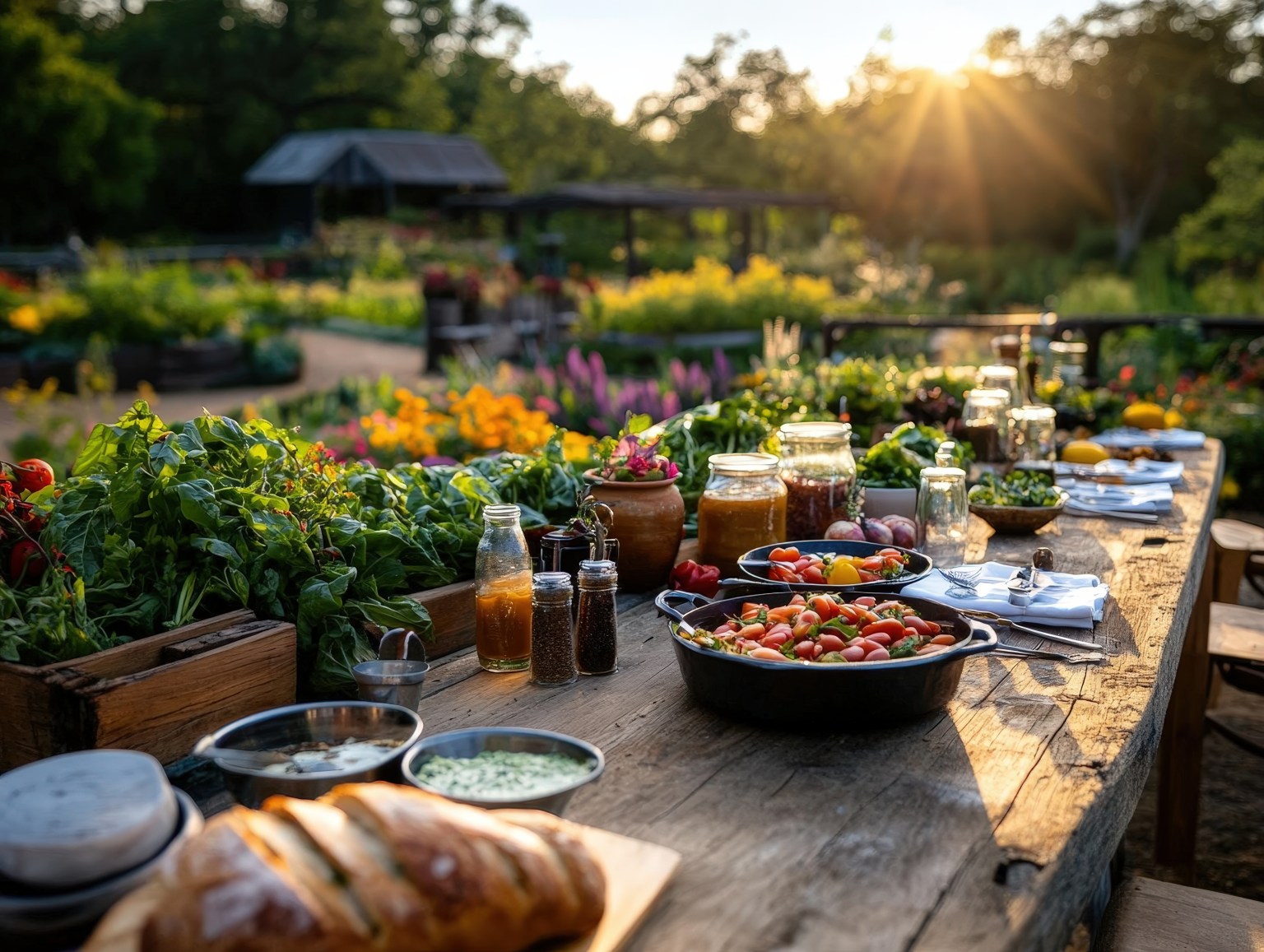
Lunch needs a different kind of generosity than dinner. At seven o’clock, rich food can feel cozy. At noon, the same plate can make an entire table quietly reconsider the rest of the afternoon.
Sunday Best, No Sermon is abundant without being sleepy: cold vegetables first, one make-ahead main, a useful starch, tea that is treated like an actual beverage program, and dessert light enough that nobody needs to be rolled toward the sofa.
Build the table for eight, not for a photograph
Cold opening: sliced tomatoes if they are excellent, cucumber and dill if they are not, quick pickles, and one bitter green salad with a sharp vinaigrette. Put two of those on the table, not all four. Freshness stops feeling fresh when it becomes an inventory problem.
Main: cold or warm roast chicken, a whole ham with good mustard, shrimp salad held properly cold, or a vegetable tart. Choose one. The defining feature is not Southernness. It is that the host is not cooking individual portions at noon.
Starch: biscuits, cornbread, potato salad, or a grain salad. Again: one. This is lunch, not a starch referendum.
One more vegetable: green beans, field peas, or greens cooked enough to be tender but not enough to lose all evidence of their original life.
Dessert: berries and cream, shortcake, a restrained cobbler, or chilled fruit with something tangy beside it.
The main should be decided by holding behavior
If you want maximum calm, roast chicken wins because it tastes good warm, room temperature, or cold and gets better after a proper rest. Ham is even easier. Shrimp salad is excellent when you have enough refrigerator space to keep the whole batch genuinely cold. A tart is the cleanest vegetarian route because it can be made ahead and served without apology.
The wrong main is the one that requires eight plates to leave a skillet inside the same ninety seconds.
Shrimp salad is the main that punishes an optimistic refrigerator. A batch for eight is a full mixing bowl, and it has to be cold at noon rather than cold at nine. If that bowl cannot go on a shelf without three other things being moved first, choose the ham and stop negotiating with your own kitchen.
For eight, these numbers are comfortable
Plan a generous platter of the chosen main: roughly one roast-chicken portion per person with extra for seconds, or a ham/tart sized for eight adult servings. Add about 2 pounds of potatoes if potato salad is the starch, or 12 to 16 small biscuits if bread is the starch. A large bowl of salad and one large vegetable platter are enough when the rest of the table is properly portioned.
For dessert, make eight portions plus two. Lunch has a habit of producing the guest who “doesn’t really want dessert” until everybody else has one.
Twelve biscuits for eight people reads as generous until somebody takes two with the first plate, which is what biscuits are for. Sixteen is the number that survives contact with the table, and the ones nobody eats are breakfast rather than waste.
Tea deserves planning before the ice bucket appears
Make unsweetened tea the default and put simple syrup or a lightly sweetened second pitcher beside it. That gives people control without requiring two completely different brewed batches.
For eight, two large pitchers disappear faster than expected in warm weather. Keep a third pitcher cold in the refrigerator if the lunch is outdoors or long. Lemon should be sliced before anyone arrives. Mint is optional. Water is not.
Ice is the part that fails quietly. Tea poured over ice at 11:15 is pale tea by 12:30, and the answer is not another pitcher. Freeze a tray of tea on Saturday and use those cubes, or keep the pitcher itself in the refrigerator and let the glasses carry the ice.
If there is alcohol, keep it low-effort: one spritz or one chilled bottle option rather than a bar that turns lunch into an event-management exercise.
Saturday does the boring work
Make the vinaigrette. Bake the dessert if it holds. Make the potato salad or grain salad if it improves overnight. Wash and dry greens. Set out serving pieces. Brew tea if you prefer it chilled overnight.
If the main is roast chicken, season it. If the main is ham, verify it actually fits in the oven and on the platter you intend to use. The most humiliating hosting surprises are usually geometry.
Sunday morning should still feel like Sunday morning
Assume guests arrive at 11:30 and the main meal lands at noon.
9:00: main is cooking or already finished, depending on the route. Dessert is done. Tea is cold.
10:00: finish the starch. Prep the vegetable. Clear the kitchen counter you will need later.
10:45: main rests or comes to serving temperature. Cold opening vegetables get their final cut. Butter comes out if biscuits or cornbread need it.
11:15: ice, water, tea, glasses. Put the first cold dish on the table.
11:30: people arrive and can eat something immediately.
11:55: dress the salad and move the main to its platter. That is the only real last-minute work.
Outdoor lunch needs an actual temperature plan
If shrimp salad, mayonnaise-based dishes, dairy, or other perishable food is outside, hold it cold rather than relying on optimism and shade. Use smaller serving bowls nested over ice and refill from the refrigerator. Keep hot food hot when it needs to be hot. The table does not get an exemption from food safety because the linen is pretty.
Move the meal indoors if the weather is making the food miserable. A garden lunch inside with the doors open is still lunch. A table of wilted salad and sweating dairy is merely stubborn.
The room should stay awake too
Daylight is already doing most of the decorative work. Linen, clear or lightly colored glass, flowers low enough to see over, and enough open space for platters. No heavy candle program at noon unless the room genuinely needs it.
Let the food provide color. Tomatoes, greens, tea, fruit, and herbs look better in daylight than most purchased décor does anyway.
Use Hosting and Service if the problem is room flow, or Menu Builder if the food is competing for the same oven and last thirty minutes.
Daylight exposes excess quickly. Give lunch enough freshness and acid that people still want to be sitting there when coffee appears.
Part of Hosting & Service.


