The Beautiful Room, the Everyday Food, and the Couple in Bobcat Gear
A note on restaurant judgment: a beautiful room can be pleasant without making an ordinary meal extraordinary, and not every middling dinner needs a public takedown.
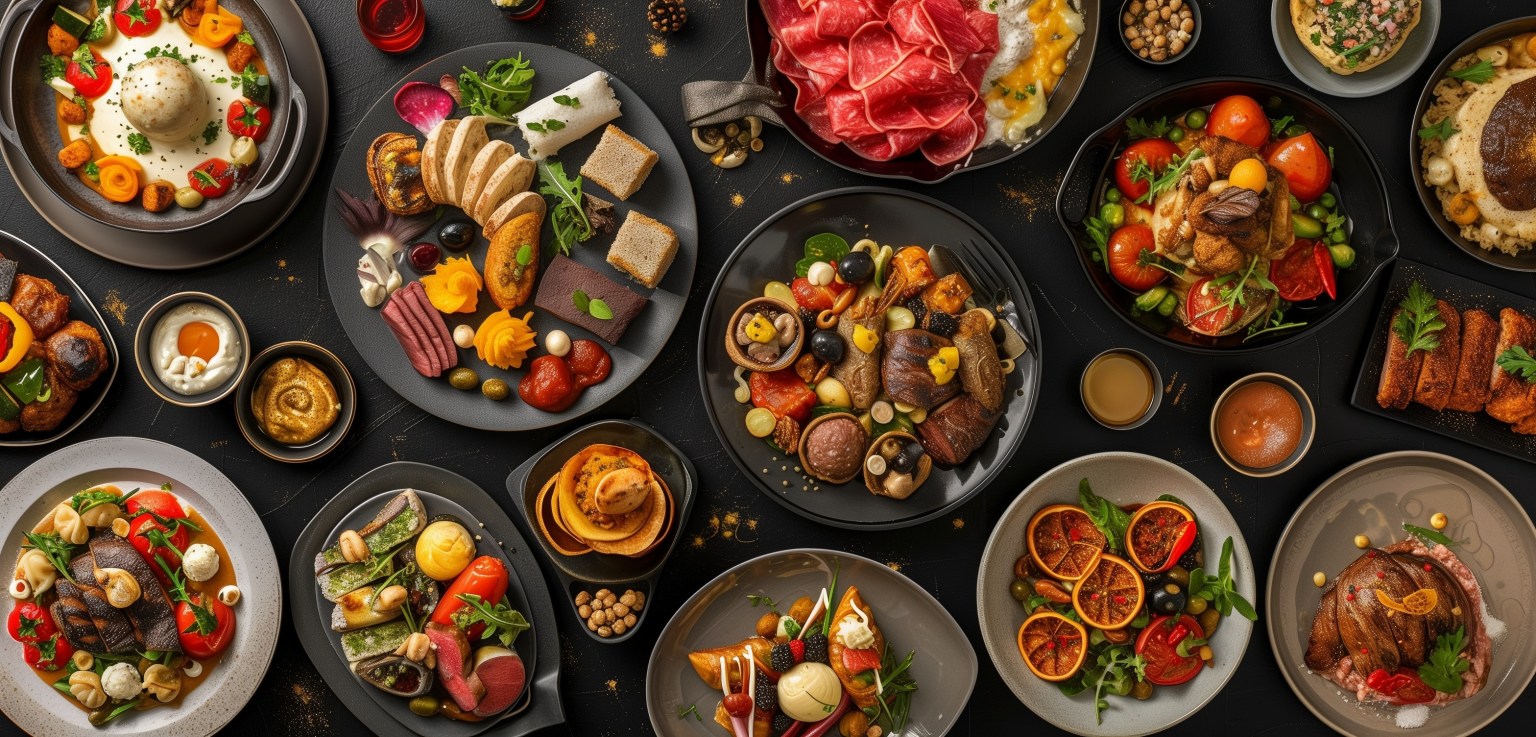
Some dinners are not revelations or disasters. They are competent, pleasant, expensive enough to notice, and over before anybody needs to draft a manifesto.
That middle ground matters because restaurant judgment gets worse when every meal has to become content. A beautiful room can be genuinely enjoyable. Everyday food can be perfectly serviceable. Neither fact requires pretending the plate was more interesting than it was.
The title could just as easily be “the chandelier, the steak, and the people who came straight from whatever they were actually doing.” A room can be polished without requiring the diner to perform sophistication back at it. In Montana especially, a very nice dinner and Bobcat gear are not natural enemies.
Separate the room from the food
Atmosphere can improve an evening without improving a sauce. Service can be gracious even when the menu is conservative. A useful restaurant note names those dimensions separately: room, service, food, value, access, and group fit.
This sounds fussy until one part is carrying the others. A spectacular view can make a competent meal feel like a very good evening. That is real value. It is just not evidence that the cooking was extraordinary.
The reverse also happens. A plain room can serve food you would cross town to eat again. If the chairs are uncomfortable and the lighting is bad, say that too. Restaurant judgment gets more useful when the parts are allowed to disagree.
Ordinary food is not automatically a failure
Not every dinner needs fermented something, a twelve-word sauce, or a vegetable you have to Google under the table. There is a legitimate place for a very good steak, potatoes, pasta, roast chicken, a familiar salad, and dessert that tastes like dessert.
The standard should be whether the food is well executed for what it is trying to be. If the steak is properly cooked, the potatoes are hot, the salad has enough acid, and the sauce tastes deliberate, “familiar” is not an insult.
What I resist is charging destination-dining money for food that is merely familiar and then asking the room to supply the missing ambition.
A beautiful dining room can support value. It cannot become the only ingredient with a point of view.
Ask what the restaurant is for
A restaurant may be ideal for a low-stakes weeknight dinner, a multigenerational table, a business conversation, a birthday where nobody wants the menu to become homework, or a date where the actual goal is talking to the other person.
That is different from being a destination meal.
“Would I return for this exact purpose?” is often more useful than “Was this impressive?” The answer can be yes even when the food was not the best thing you ate all year.
Occasion fit is one of the places star ratings flatten useful information. Four stars for whom? For six people who need a quiet table and familiar food? For two people who want an adventurous tasting menu? For a parent with limited mobility? For a traveler who has one dinner in town and wants something distinctly local?
The restaurant does not have to be everything. The record should tell us what it actually does well.
Value is not the same as price
A moderate dinner can be poor value. An expensive dinner can be worth it. The useful question is what the money changes.
Does the higher price buy better ingredients, more skilled cooking, thoughtful service, a room that genuinely improves the occasion, unusual access, or a level of comfort that matters to the guest? Or did it mostly buy a very photogenic ceiling?
I do not mind paying for atmosphere when atmosphere is part of what I came for. I do mind when the price implies one standard and the plate delivers another.
This is also where small charges add up: separate sides, bread service, valet, service fees, drinks, dessert, and the supplement attached to the one menu item everybody wants. Judge the evening by the evening.
Clothes are a poor proxy for appetite
Rooms sometimes signal more formality than the diners inside them actually practice. That can be charming. It can also reveal whether the hospitality is real.
A polished restaurant should be able to make people feel welcome without requiring them to decode a social test nobody published. If there is a real dress code, state it. If there is not, the linen, glassware, and lighting do not need to become a costume requirement.
People arrive from work, travel, games, family obligations, the outdoors, or the rest of their lives. A good room can absorb that.
The most confident hospitality rarely needs to make a guest feel underdressed in order to prove the restaurant is special.
Not every disappointment deserves a takedown
Public criticism should earn its certainty. One ordinary plate is weak evidence for a sweeping claim about a restaurant. One server having a difficult night is not automatically a service culture. One dish you dislike may simply be a dish you dislike.
If a problem is material—food safety, discriminatory treatment, misleading pricing, accessibility claims that do not match reality, or a pattern that meaningfully affects readers—document it carefully.
If the meal was simply not memorable, saying less can be more accurate.
This is not about protecting restaurants from criticism. It is about making the criticism proportional to the evidence. Strong judgment is more credible when it does not need every dinner to become a scandal.
Likewise, not every pleasant meal deserves inflation
The opposite problem is just as common. A pleasant evening becomes “incredible.” A nice dessert becomes “life-changing.” A good steak becomes a reason to cross three states.
That language makes restaurant writing less useful because there is nowhere left to go when something actually is extraordinary.
Competent is not an insult. Pleasant is not faint praise when the restaurant was supposed to be pleasant. Reliable can be a serious recommendation.
Save the superlatives for the meals that force them.
Keep the details that help the next diner
What is the menu trying to do? How formal does the room actually feel? How loud is it when full? Are tables close together? Is the pace relaxed or compressed? Can a group order flexibly? Does the price match the portion, cooking, service, and occasion?
What should somebody with dietary restrictions confirm directly? What should a guest with mobility needs know before arrival? Is the reservation format easy, deposit-based, prepaid, or difficult to change?
And because restaurants change, what information is current and what is an older observation that needs rechecking?
Those details are more useful than another paragraph about the “vibe.”
The middle ground is where trust gets built
If every restaurant is either a hidden gem or a disaster, the judgment system is broken.
Some places are good for Tuesday. Some are good for taking your parents. Some are beautiful enough that you forgive a conservative menu. Some make food worth planning around. Some are too expensive for what they deliver but still perfectly competent.
Those distinctions are the point of Restaurant Intelligence. The goal is not to turn every dinner into a verdict. It is to give the next person enough reality to decide where their money and evening should go.
A beautiful room can remain beautiful. Everyday food can remain everyday. And everybody at the table can keep wearing whatever they were already wearing.
The records themselves are published, and you can narrow them to a region or a price tier without opening anything. See How We Judge for the evidence and freshness rules behind them.
Part of Restaurant Records.
Where this goes next
