A Marinade Gets About Three Millimeters In
Overnight in the bag does almost nothing that four hours would not have done, and quite a lot that you did not want. Only two things in a marinade actually travel.
The overnight marinade is one of the most durable beliefs in home cooking, and the reasoning behind it is sound enough that nobody checks it. More time in the liquid, more flavor in the meat. It follows.
It is also mostly wrong. Cut into a chicken thigh that has spent twelve hours in a marinade and the interior tastes like chicken. The flavor is concentrated in a thin band at the outside, a few millimeters at most, and it got there in the first couple of hours. The remaining ten were spent doing things to the surface that you did not ask for.
Almost nothing in a marinade can get in
Meat is not a sponge. It is a dense arrangement of cells and connective tissue, mostly full of water already, and there is no mechanism drawing liquid inward.
The molecules responsible for most of a marinade’s flavor — the aromatic compounds in garlic, herbs, spices, soy, wine — are large, and large molecules do not travel through that structure. They stay where they land.
Oil does not penetrate at all. It sits on the surface, which is genuinely useful, because it holds fat-soluble aromatics against the meat and it helps them survive the heat. But it is a coating, not an infusion.
Two things do move. Salt travels, slowly, by diffusion, and it is the only ingredient reliably seasoning the interior. Sugar travels a little. That is the list.
Which means a marinade is a surface treatment that happens to include a seasoning agent. Once you accept that, the decisions get much easier.
Acid works on the surface and eventually ruins it
Acid is the ingredient people credit with tenderizing, and it does change texture, though rarely in the direction anyone intends.
Acid denatures proteins without heat. In a short exposure that firms the very outside pleasantly. Given hours, it keeps going, and the outer layer turns opaque, dense and slightly chalky. It is the texture of ceviche, arriving on a piece of chicken that you were planning to grill.
Then that surface gets cooked again, and the result is a dry, tight exterior around meat that was never seasoned in the first place. A long acidic marinade makes the meat worse in the exact place the marinade was supposed to help.
Fish and shellfish reach this point in minutes rather than hours. Thin cuts get there fast. A thick, dense cut takes longer, which is the only reason overnight marinades ever appear to work.
Dairy-based marinades are gentler and this is why they persist across so many cuisines. Yogurt and buttermilk are mildly acidic rather than aggressively so, they bring calcium and enzymes that work slowly, and they cling to the surface in a way thin liquids do not. Yogurt-marinated chicken is a genuinely good technique, and it is good because it is mild, not because it is powerful.
Enzymes tenderize, unevenly and without a brake
Pineapple, papaya, kiwi, figs and fresh ginger contain enzymes that break protein down directly, and they are far more aggressive than acid.
They also work from the outside in and do not stop. Leave meat in a pineapple marinade for a few hours and the surface turns to paste while the interior is untouched. Mushy outside, unchanged inside, which is the least appealing combination available.
Used briefly and deliberately they have a place. Used as a set-and-forget overnight tenderizer they are the fastest route to a genuinely unpleasant texture.
Canned pineapple does nothing, because the enzyme is destroyed by heat during processing. If a recipe seems to work with canned and fail with fresh, that is why.
What a marinade is actually good at
Three things, and they are worth having.
Surface flavor, which is most of what you taste in the first moment of a bite and matters more than the geometry suggests.
Browning, because sugars and proteins in the marinade give the surface more to work with, and a little sugar accelerates color considerably. This is also the trap, since a sugary marinade will burn before a thick cut has cooked through.
And seasoning plus moisture retention, both of which come from the salt rather than from anything else in the bowl.
Note what is missing. A marinade does not carry flavor to the center, does not tenderize in any useful sense, and does not improve with time past a few hours.
The better approach for most cuts
Split the job, because the two halves of a marinade want completely different schedules.
Salt early and separately. Salt the meat on its own, hours ahead or the night before, so the seasoning reaches the interior and the protein holds onto its moisture. That is a dry brine and it is the part that genuinely penetrates.
Apply flavor late and thickly. Rub the aromatic, oily, acidic part on shortly before cooking, or turn it into a sauce that goes on at the end. A thick paste clinging to the surface delivers far more flavor than a thin liquid the meat has been swimming in, and you will use less of it.
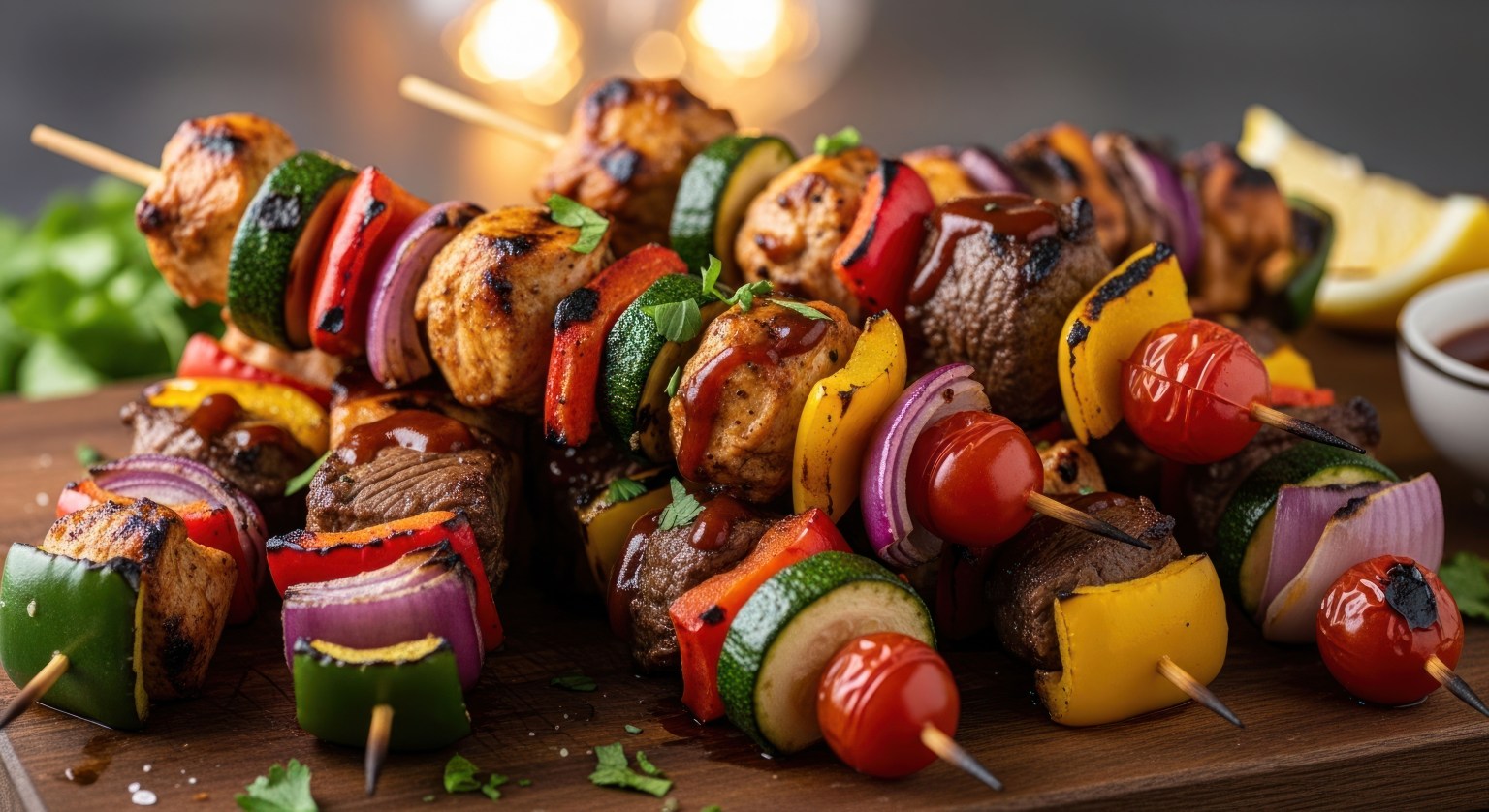
For thin cuts, small pieces, skewers, and anything with a lot of surface for its volume, marinating is much more effective. The surface is a larger share of the whole, so a surface treatment does more. Thirty minutes to a couple of hours is plenty.
For a thick roast or a whole bird, a marinade is close to decorative. Dry brine it and build a crust or a sauce instead.
Dry the surface before it goes near the heat
A wet marinade leaves a wet surface, and a wet surface cannot brown until the water has gone, so the pan spends its energy boiling marinade instead of building a crust.
Lift the meat out, scrape the solids off, and pat it genuinely dry. It feels like discarding flavor and it is the opposite: the browning you get instead is worth more than the film you wiped away.
The exception is a thick paste you want to char deliberately, which is its own technique and needs heat management rather than a dry surface.
The bag that has held raw meat
Marinade that has been in contact with raw meat or poultry carries whatever the meat carried. It is not a sauce, and the fact that it looks like one is precisely the problem.
If you want to use it, bring it to a full boil for several minutes first, which is a standard and sufficient step. Otherwise reserve a portion before the meat goes in and keep them apart. Marinate in the refrigerator rather than on the counter, and do not reuse marinade across batches.
The short version
Salt goes in early and travels. Everything else stays on the outside and should go on late.
Overnight buys you almost nothing except the risk of a surface that has been cured, tenderized or denatured further than you wanted. Four hours is generous for most cuts, one hour is enough for many, and the time you were going to spend waiting is better spent making something to put on it afterward.
Part of Recipes & Technique.


