Every Recipe Assumes a Pan Diameter and Almost None of Them Tell You Which One
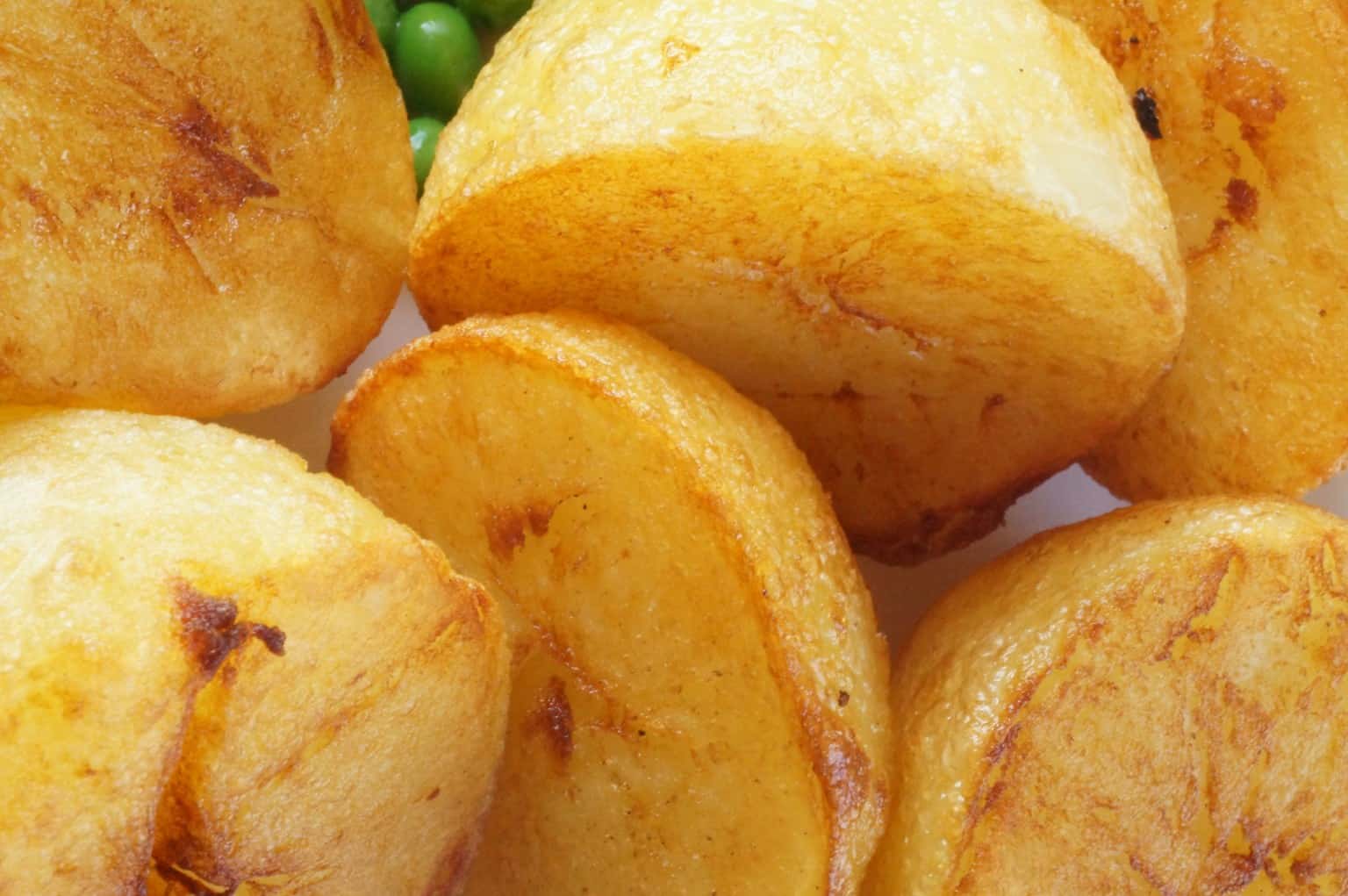
Brown in a single layer. Reduce until thickened. Cook until the liquid has nearly evaporated. Every one of those instructions is a statement about surface area disguised as a statement about time, and the recipe almost never says which pan it was written in.
Get the diameter wrong and the instruction becomes false in a way that is very hard to diagnose, because nothing looks broken. The food just does not do what the recipe said it would do, and the cook concludes they did something wrong.
The numbers are worse than they feel
Pan area goes with the square of the radius, so small differences in the name on the handle are large differences in the thing that matters.
An eight-inch skillet has about fifty square inches of cooking surface. A ten-inch has about seventy-nine. A twelve-inch has about a hundred and thirteen. So going from an eight to a twelve is not a modest upgrade, it is two and a quarter times the pan.
Nobody thinks of it that way, because the numbers on the handle are eight and twelve and those feel close together. They are not close together. Most kitchens own two skillets that differ by a factor of two in the only property that decides how the food behaves.
Evaporation is the first casualty and it explains most failed reductions
Liquid leaves a pan through its exposed surface, so evaporation rate scales with area, not with how hard the pan is boiling.
A cup of liquid in a twelve-inch skillet reduces more than twice as fast as the same cup in an eight-inch, at the same heat. And a hard boil in a tall narrow saucepan is slower than a bare simmer in a wide sauté pan, which is counterintuitive and is why people stand over sauces wondering why nothing is happening.
So when a recipe says reduce by half in ten minutes, that number belongs to a pan you cannot see. Use a narrower one and you will be there for twenty-five minutes, during which everything else in the sauce is overcooking.
Crowding is the second casualty, and it is the same physics in a different coat
Food releases water as it heats. If the pan can evaporate that water as fast as it arrives, the surface gets above 212°F and browning happens. If it cannot, the water pools, the surface temperature pins at boiling, and the food steams in its own liquid.
The practical threshold is that the food should occupy roughly two thirds of the pan’s area, with visible floor between the pieces. Past that and you are steaming, whatever the heat is set to.
Which means doubling a recipe in the same pan is not doubling a recipe. The food’s water output has doubled and the pan’s ability to get rid of it has not changed at all, so a batch that browned beautifully at single quantity will steam sadly at double.
The fix is two batches, and it is worth knowing that they will not be identical batches, because the pan is in a different state for the second one.
Depth is the third one, and it matters most for anything braised
Pour the same volume of liquid into a wide pan and a narrow one and you get two very different depths. Depth changes how much of the food is submerged, how fast the interior of a braise reaches temperature, and how much of the top is exposed to dry heat.
For a braise you generally want the liquid two thirds of the way up the food, which means the correct pan is the one where that happens with the amount of liquid you have. A wide pan with a shallow puddle gives you roasting on top and dryness underneath. A narrow pot with everything submerged gives you a boil, which is a different cooking method with a different texture.
The burner is a constraint the pan cannot fix
One more variable that is genuinely about your kitchen rather than the recipe. A large pan on a small burner has a hot center and a cold rim, and the difference can be substantial.
Cast iron and thick clad pans even this out, because they conduct heat sideways. Thin stainless does not, and a twelve-inch thin pan on a domestic burner is effectively an eight-inch pan with a warming ring around it, which is worse than an eight-inch pan because you will load it as though it were twelve.
Rotate the food, or accept the smaller working area, or use the heavier pan. This is a real difference between the materials rather than a price difference.
What to do with a recipe that does not tell you
Read backwards from the instruction. If a recipe wants something browned in a single layer, work out the footprint of the food and pick the pan that leaves a third of the floor visible. If it wants liquid reduced quickly, use the widest thing you own. If it wants a long braise, use the pot where the liquid comes two thirds up.
And if you are scaling a recipe, scale the pan first and the ingredients second, which is the reverse of how everybody does it and is the reason the pan is the constraint the arithmetic runs into first.
Part of Recipes & Technique.


