Garlic Is Six Different Ingredients and Five of Them Come Out of the Same Clove
Two cloves of garlic, the recipe says, and then nothing else. Whether those two cloves arrive as a faint sweetness underneath everything or as a blast that dominates the dish is not decided by the number. It is decided by what happens to them, and the recipe almost never says.
The pungency is manufactured at the moment of damage
A clove holds a precursor compound and the enzyme that acts on it in separate compartments. Break the cells and the two meet, and the reaction produces the sharp sulfurous compounds everyone recognizes as raw garlic. The more cells you break, the more of it you get, which is why a crushed clove is louder than a sliced one.
What is less known is the other half: heat destroys that enzyme. Put an intact clove into hot fat or a hot oven and the reaction largely never happens, so what develops instead is sweetness and a nutty, almost roasted character with none of the bite.
So garlic is not a scale from mild to strong. It is two entirely different flavor systems, selected by whether the cells were broken before the heat arrived.
It is also why a crushed clove left for ten minutes before it goes in the pan tastes of more than one crushed straight into hot oil — the reaction has had time to run before the enzyme is destroyed.
One: whole, unpeeled, in with the braise
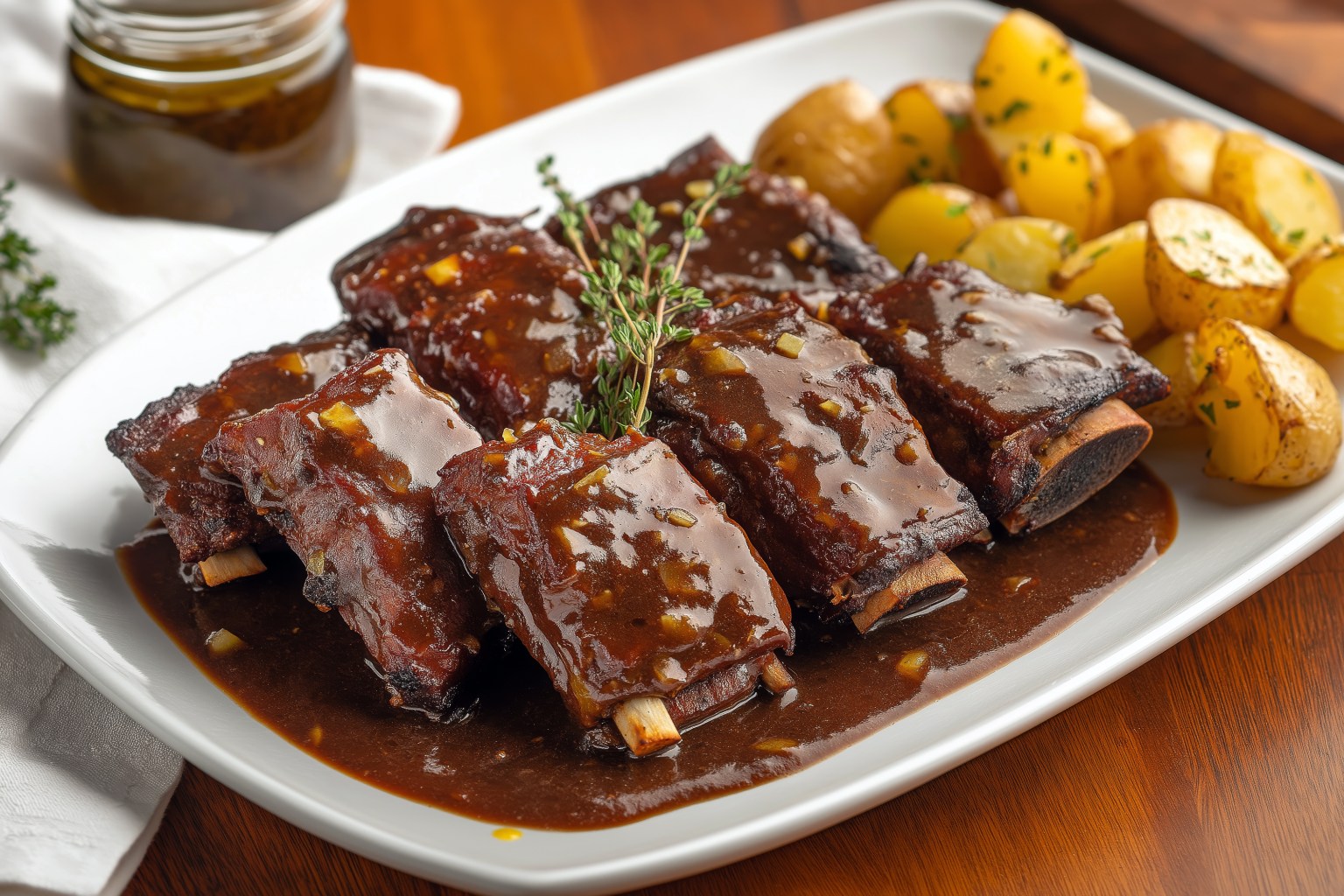
Cloves thrown in skin-on with a roast or a braise go soft, sweet and jammy, and can be squeezed out at the end into the sauce.
Almost no pungency, considerable depth, and no chance of burning. For any long cook this is the version to use, and it is the one most people never try because it looks lazy.
Two: sliced thin, in fat, over low heat
Slices in warm oil turn pale gold, then deep gold, then crisp. Taken to gold they are sweet and nutty; taken further they are a crunchy garnish and the oil they leave behind is an ingredient.
The window between gold and bitter is about twenty seconds, and the pan should come off the heat before the color looks finished, because the residual heat keeps working.
Three: minced, briefly sauteed — the default, and the one that burns
This is what most recipes mean and it is the least forgiving. Minced garlic in hot fat has enormous surface area and almost no water left to protect it, and it goes from fragrant to acrid in under a minute.
Which is why it goes in after the onions rather than with them, or right before the liquid, or at the very end of a stir fry rather than at the beginning. Onion is wet and bulky and can take ten minutes; garlic cannot take two.
Four: pounded raw to a paste with salt
The loudest version available. Salt acts as an abrasive and helps break every cell, and the result is a smooth paste that disperses completely rather than sitting in pieces.
This is what aioli, salsa verde, a Caesar dressing and most raw sauces are built on, and it is the only preparation where a sliced or minced clove genuinely will not substitute — the texture and the intensity are both different.
Five: confit, submerged in fat and barely heated
Whole peeled cloves under oil at a very low temperature for an hour become silky and spreadable, and the oil becomes a garlic oil worth as much as the cloves.
One genuine caution. Garlic in oil is an oxygen-free environment, and that is exactly the condition the organism behind botulism favors. Homemade garlic confit and garlic-in-oil belong in the refrigerator, used within a few days, or frozen in portions — never left on the counter. The same warning applies to vacuum-packed food thawed in its bag, and it is worth knowing once rather than looking up each time.
Six: black garlic, which is not garlic anymore
Whole bulbs held at a low controlled warmth for weeks, during which the sugars and amino acids brown slowly — the same reaction that browns everything else, run at a temperature so low it takes a month.
The result is soft, black, sweet and balsamic, with no pungency at all. It is a condiment rather than an aromatic, and it belongs where you would use a dark sweet paste rather than where you would use garlic.
The jar of pre-minced garlic is a different product
It is acidified for shelf stability, which stops the enzyme reaction and pushes the flavor sour. The sulfur compounds that would have formed have largely already formed and dissipated.
So it tastes flat and slightly metallic and it cannot do any of the six things above. Frozen whole cloves, or frozen garlic paste, keep far better as a shortcut and taste like garlic.
Garlic powder is a third thing again, with its own uses — it disperses evenly, it does not burn, and it belongs in rubs and dressings. It is not a substitute for a clove in a pan.
Buying, storing and the folklore
Firm and heavy for its size, tight skin, no give, no green shoots. A head that has begun sprouting is old, and the clove around the shoot has turned bitter.
The green germ inside an older clove is mildly bitter rather than harmful. Removing it matters in raw preparations and is a waste of time in a braise.
Cool, dark, dry and with air around it — a bowl on the counter away from the window. Not the refrigerator, which prompts sprouting, and not a sealed bag, which traps moisture and grows mold. Some things belong in the cold and this is not one of them.
So read the instruction properly
Two cloves, minced, added at the start is a different dish from two cloves, whole, added with the stock, which is a different dish again from two cloves pounded into the dressing at the end.
The number was never the instruction. The verb was, and reading a recipe means noticing which word is actually carrying the decision.
Part of Recipes & Technique.


