Someone Cancels at Six and You Cooked for Ten, and Most of the Damage Is Still Avoidable
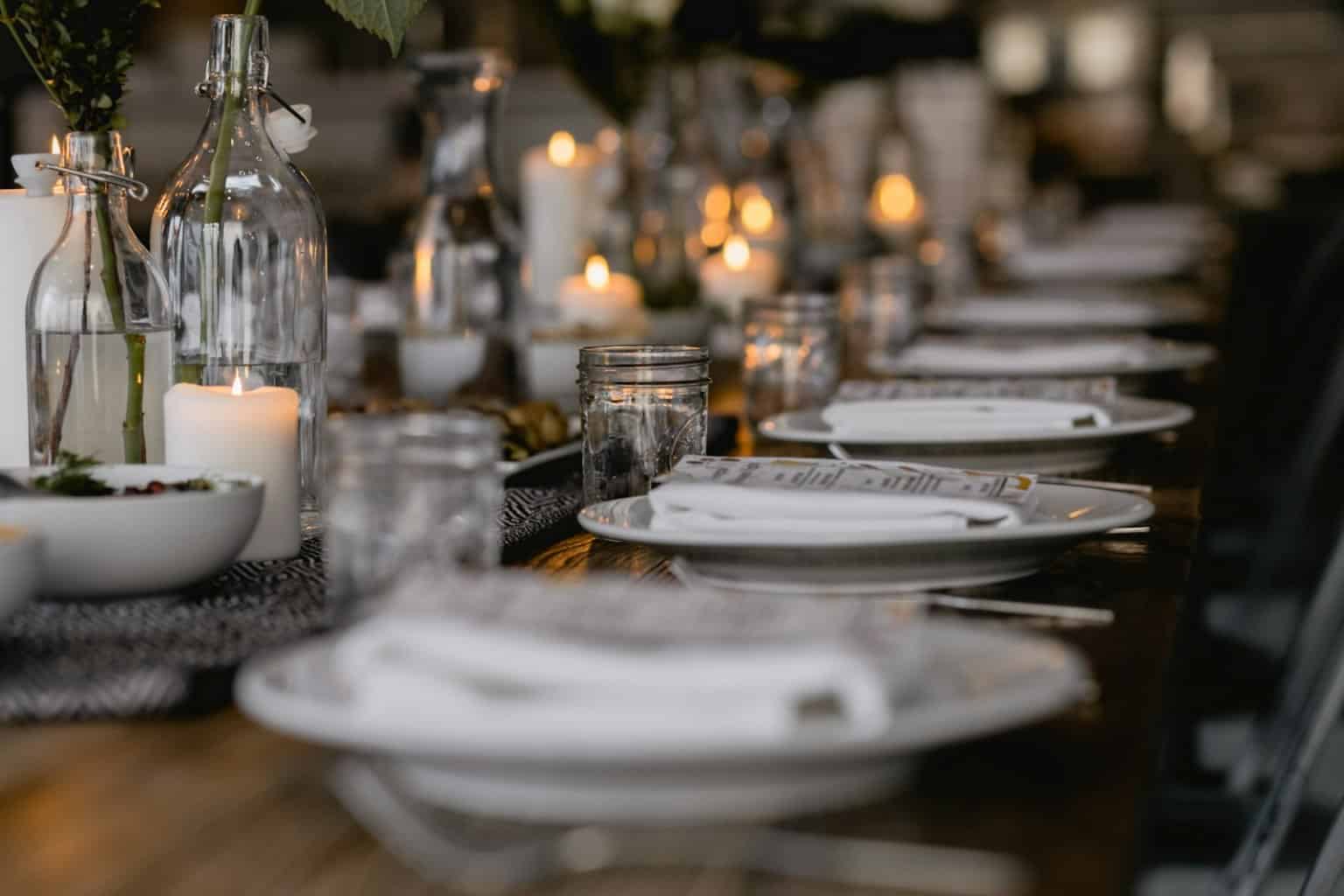
The text arrives at ten past six. Two of them are not coming. You shopped for ten, you have been cooking since two, and the braise has been in since four with no opinion on the matter.
The reflex is to carry on exactly as planned and deal with the surplus tomorrow, which is how a dinner party generates four days of the same dish in a fridge and then a bin bag on Wednesday. There is a better twenty minutes available, and it consists of working out which parts of the meal are still soft and which have already set.
Sort the menu into what is already committed and what is not
Every dish on your counter is at one of three stages and they want completely different decisions.
Committed and cooked is the braise, the roast, the thing that has been in the oven for two hours. Nothing you do now changes the quantity. That is fine and you should stop thinking about it.
Committed but not finished is the pot of stock, the mixture in a bowl, the pastry in the fridge. These can still be split. You can bake one tray instead of two, fry half the batch, dress half the salad. This is the category where the whole saving lives.
Uncommitted is anything still in a bag. Raw vegetables, a second loaf, the cheese you had not opened. Those are simply groceries and they were never part of tonight.
Spend the twenty minutes entirely on the middle category, because the first one is a closed question and the third one takes care of itself.
The specific saves, in order of how much they are worth
Do not cook the second tray of anything. This is the single biggest one and it is also the easiest to skip, because the tray is already assembled and putting it in the oven feels like less work than putting it in the fridge. An unbaked tray of anything is a meal on Tuesday. A baked one is leftovers, which is a category with a much shorter life and a much lower success rate.
Do not dress the salad you are not serving. Dressed greens have a service window measured in minutes and they do not come back, which is the whole reason a salad has to be timed like a hot dish. Leaves and dressing kept apart are two ingredients. Combined, they are compost with a delay on it.
Hold back the starch. Cook two thirds of the pasta or the rice or the potatoes, not all of it. Cooked starch going cold and then reheating is the worst-performing leftover in the kitchen, and uncooked starch keeps indefinitely.
Do not portion the cheese and the bread onto boards. Anything that goes out on a board and comes back is going in the bin, because nobody wants the cheese that sat out for four hours and neither do you.
Then do the thing that makes the rest of it work, which takes four minutes
Whatever is genuinely surplus and already cooked should be portioned before dinner, not after.
This is the entire trick and it feels absurd at half past six. Take the extra out of the pot now, while it is hot and clean and before anyone has served themselves from it, put it in single-meal containers, and get it into the fridge or the freezer. Four minutes.
Doing it now rather than at midnight has three separate advantages. The food never sat out for four hours. It was never in contact with serving spoons that have been in fourteen mouths. And it is portioned into meals rather than stored as a mass, which is the actual difference between food that gets eaten and food that gets looked at three times and then discarded.
A bowl of surplus in the fridge is a question. Four labeled containers are four answers. Planned surplus and accidental surplus are not the same ingredient, and the only difference is whether somebody made a decision about it while it was hot.
The table adjustment, which is not about food at all
Take the places away. Reset for eight, move the chairs out of the room, and close the table up if it opens.
An empty setting is a visible absence and people look at it all evening. Two empty settings at a table for ten make the party feel like the party that did not quite happen, which is an enormous amount of atmosphere to lose over some flatware.
Eight at a table sized for eight is a full table. Eight at a table laid for ten is a gap. The food is identical.
And say nothing about it
The last rule is the easiest to break. Do not tell the eight people who came that you cooked for ten.
It is a small complaint disguised as a fact, and it puts the guests in the position of having to be sympathetic about something they did not do. It also quietly informs them that the dinner they are eating is a reduced version of a better dinner, which is not true and is the only thing that could make it true.
You cooked for eight. There is a great deal of it. Everyone should have more.
Part of Kitchen Systems.


