Half a Bottle of Wine Is an Ingredient, Not a Failure of Planning
The wine left in the bottle on Sunday is oxidizing on a schedule nobody tracks, and there are four things to do with it that are all better than drinking it on Wednesday.
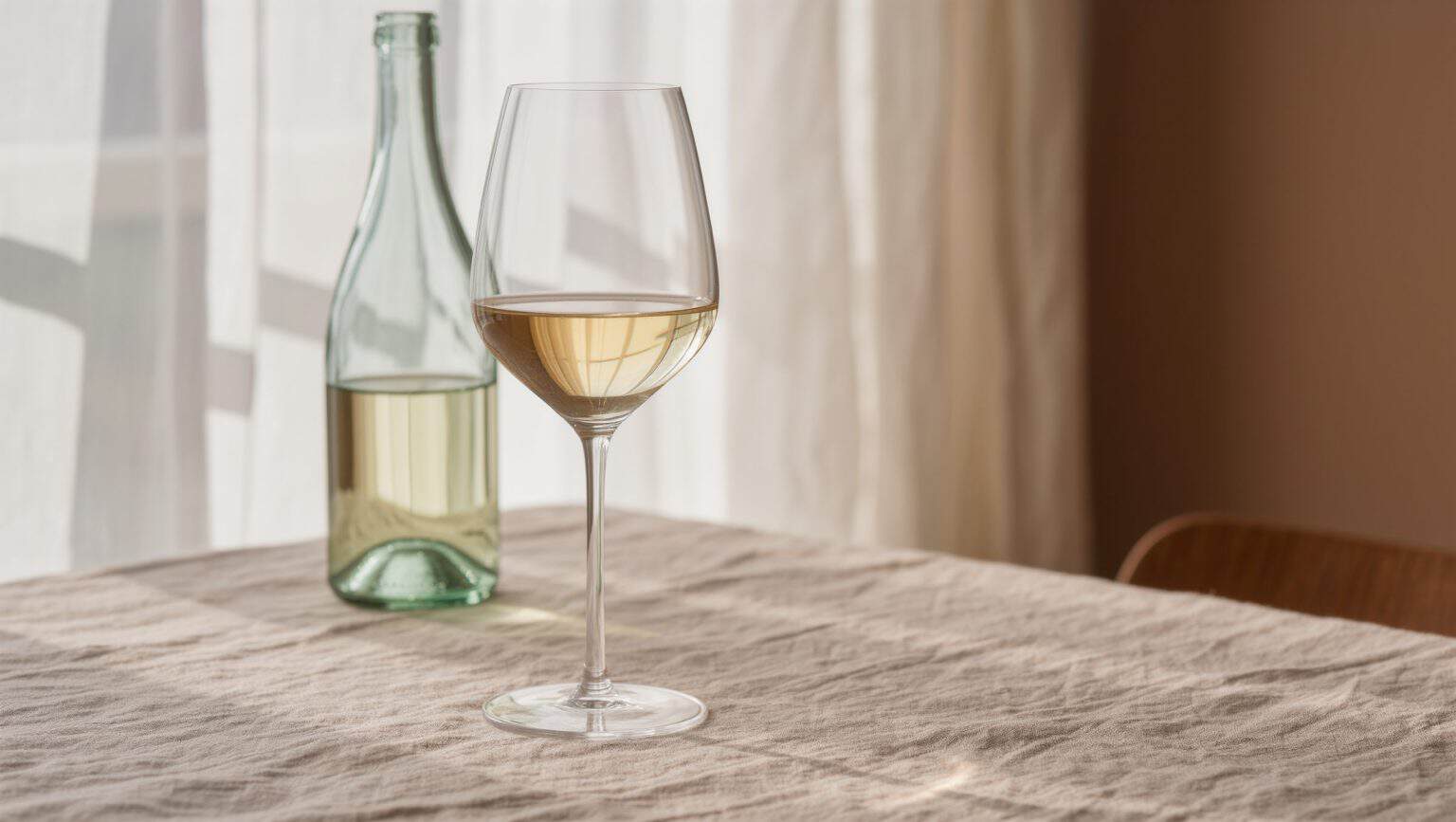
Two glasses left in a bottle. It goes back on the counter with the cork pushed in, and by Wednesday it tastes flat and faintly of sherry, at which point it either gets drunk anyway or poured away.
The flatness is oxidation, it starts the moment the cork comes out, and it is not reversible. Which makes the open bottle a clock — and the useful response is not better storage so much as a short list of things to do with it while it is still worth something.
What is actually happening in the bottle
Oxygen reacts with the compounds in wine, turning some of the alcohol toward acetaldehyde, which is the nutty, bruised-apple note that says a wine has been open too long. Acetic bacteria, given more time, take it further toward vinegar.
Heat and light accelerate both. So does surface area, which is why a nearly empty bottle goes faster than a nearly full one: there is more oxygen in contact with less wine.
Practically: cork it and refrigerate it, whites and reds alike, because cold slows the reaction and a red can be brought back to the temperature it should have been served at in twenty minutes anyway. A decent red or white holds two or three days that way. A sparkling wine holds a day with a proper stopper and hours without. A fortified wine — sherry, vermouth, port — holds longer, because oxidation is part of what made several of them.
Transferring what is left into a smaller bottle filled to the top does more than any gadget, because it removes the oxygen rather than slowing it.
One: freeze it in cubes
The simplest and most useful. Pour what is left into an ice cube tray, freeze, bag the cubes.
Wine does not freeze solid because of the alcohol, so the cubes stay slightly soft, which is fine. Each one is roughly two tablespoons, which is almost exactly the amount a pan sauce wants.
A bag of red wine cubes and a bag of white in the freezer means that every braise, every pan sauce and every pot of anything has wine in it from then on, and none of it required opening a bottle for cooking.
Two: deglaze with it tonight
Wine is the default deglazing liquid for a reason: acid to cut the richness of what just browned, and alcohol to dissolve some aroma compounds water leaves behind.
But it is worth being clear that it is a flavor decision rather than a mechanical requirement. Fond is water-soluble, and plain water lifts it perfectly well. What the wine adds is itself.
Which means the instruction about not cooking with wine you would not drink is half right. A flawed wine makes a flawed sauce. A wine that has merely gone slightly flat and nutty from three days open is fine in a pan, because the reduction concentrates the parts that survived and the volatile oxidized notes largely leave.
Three: reduce it into something that keeps
A bottle of red reduced by three quarters with a shallot, a bay leaf and a strip of orange peel becomes a syrupy concentrate that keeps for weeks in the refrigerator. A spoonful into a pan sauce, over a steak, into a vinaigrette, with dark chocolate.
Or reduce it with sugar into a wine syrup, which is a bar ingredient as much as a kitchen one — a sweetener that brings acidity and tannin along with it, which is exactly what a syrup doing structural work should do.
White wine reduced with vinegar and shallot is the base of a beurre blanc, and the base keeps even though the finished sauce does not.
Four: let it become vinegar on purpose
The thing that ruins an open bottle is the thing that makes vinegar, and you can simply let it happen.
Wine plus a vinegar mother in a jar covered with cloth, at room temperature, out of the light, and in a few weeks to a couple of months it is vinegar. Keep topping it up with the ends of bottles and it becomes a standing thing rather than a project. A splash of unpasteurized vinegar in place of a mother works, more slowly and less reliably.
It needs air, which is the opposite of everything else on this page, and it needs to not be sealed, because the bacteria doing the work are aerobic. It also wants to be kept away from fruit flies, which find it before you do.
Homemade wine vinegar is softer and more wine-flavored than anything in a supermarket, and it is the only item in this house that is made entirely out of what would otherwise have been poured down the sink.
What not to do with it
Do not cook with a wine that has gone genuinely to vinegar unless vinegar is what you want, because reduction will concentrate the acetic note and nothing will disguise it.
Do not use a sweet wine where the recipe assumed a dry one. The sugar reduces along with everything else and the sauce ends up somewhere unintended.
And do not buy cooking wine, which is ordinary wine with salt added to make it undrinkable and therefore untaxable, and which makes seasoning the finished dish impossible. The ends of real bottles in the freezer are better and free.
The same logic, applied once
Beer ends go into a batter, a braise or a bread. Spirits keep indefinitely and need nothing. Vermouth and sherry ends go into a pan the same way wine does, and they are the more useful of the two because they bring botanicals with them.
The general shape is the one that runs through every other kind of kitchen salvage: the thing is not waste, it is an ingredient that needs different handling from the thing it was bought as. A bottle with two glasses left in it is a pan sauce, a braise, a syrup or a vinegar, and the only version of it that is a loss is the one that sits on the counter being neither.
Part of Kitchen Systems.


