The One Drink and the No-Drink
The Five O’Clock Problem Is a Ritual Problem and Substituting a Sweet Drink Makes It Worse
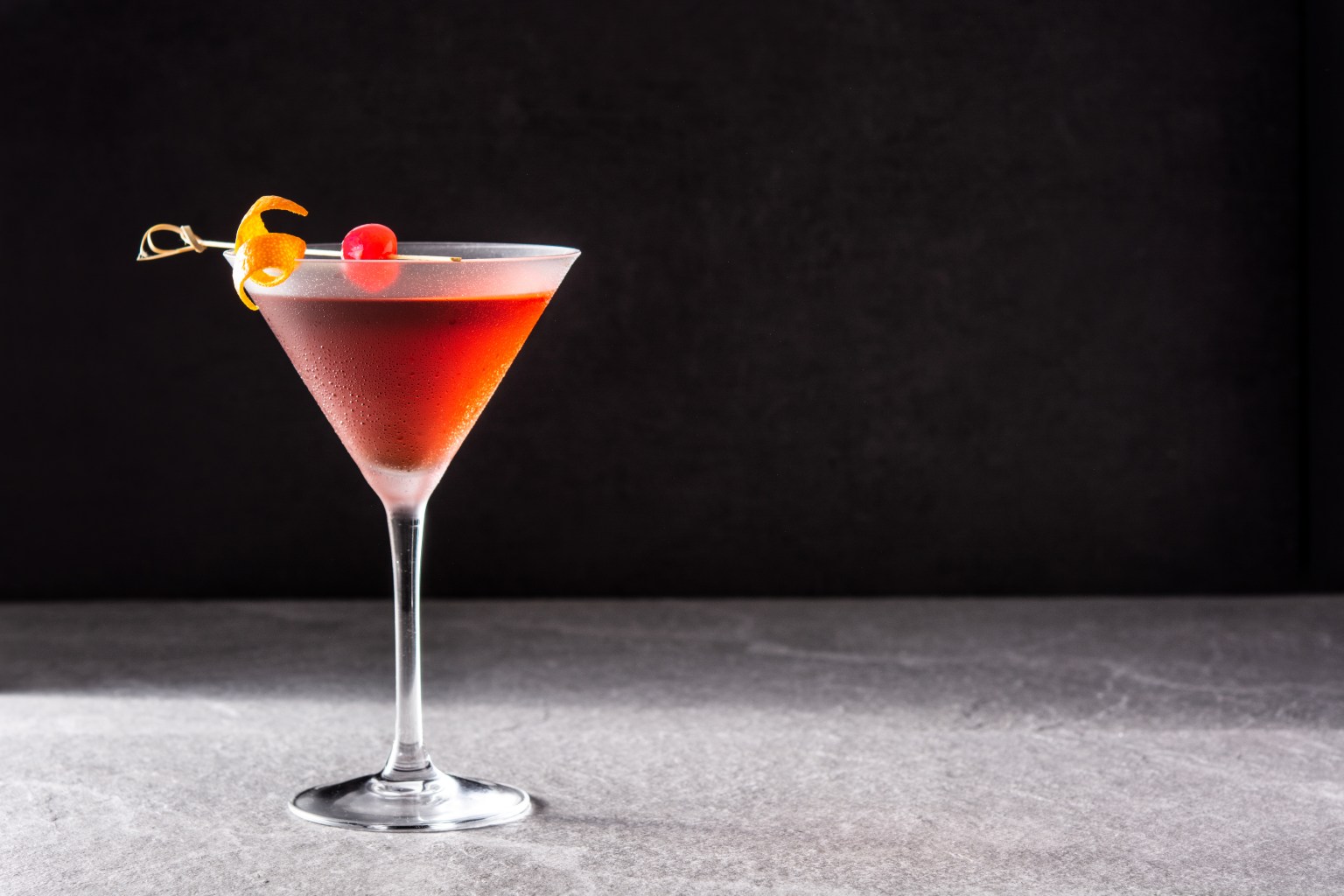
The hardest part of not drinking on a weeknight is not the alcohol. It is five o’clock, which is a door, and the drink was the handle.
For anybody who works at home, the pour is a boundary marker in a day with no other boundary markers. There is no commute, no elevator, no walk to a car. Work ends when you decide it ends, and the decision has almost nothing behind it except a gesture. Take the gesture away and the work does not stop. It thins out and spreads across the evening, and at nine thirty you are answering something on your phone while the food goes cold.
This is a scheduling problem wearing a drinking problem’s clothes, and the standard fix makes it worse.
The standard fix is a sweet drink, and it fails on a curve
What people reach for at five without alcohol is something sweet. A soda. A flavored seltzer with sugar in it. A kombucha. Something that tastes like a treat, because the drink was a reward and a reward should taste rewarding.
Sweet fails here for a mechanical reason: it does not stop. A drink with sugar and no bitterness has no signal to pause on, so you finish it in six minutes, and six minutes is not long enough to constitute a transition. Then you are at the counter again, and the second one is not a ritual, it is a habit, and by week three you are drinking four hundred calories of sugar between five and seven and sleeping worse than when you were having a glass of wine.
The thing the evening drink was doing was taking twenty-five minutes. That is the requirement. Not pleasure. Duration.
The ritual is mostly the preparation, which nobody notices until it is gone
Pay attention to what actually happens in the minute before a drink gets drunk. Ice out of the freezer. The specific sound it makes going into a glass. Something measured, which requires looking at it. Something stirred, which takes fifteen seconds and cannot be hurried. A peel cut, twisted, the smell arriving before the drink does.
That is a sequence of six or seven small physical acts requiring low-grade attention, performed standing up, away from a screen. It is, functionally, a shutdown routine. The alcohol is almost incidental to that part. Which is why replacing the ritual with opening a can removes ninety percent of the mechanism and keeps the least useful ten.
So build the thing that takes four minutes to make. Measure it. Stir it. Cut the peel. If the zero-proof version is faster and easier than the cocktail was, it will not work, and the reason it will not work has nothing to do with what is in the glass.
Bitter and cold, not sweet and cold
What goes in it is the easy part. Something bitter, something acidic, a little body, and almost no sugar. A strong iced tea with citrus and a few drops of saline. An aperitif syrup built on gentian, long over ice, topped with soda. Chicory and orange. Grapefruit, salt, and tonic. All of these take twenty-five minutes to drink, which is the entire specification.
Bitterness is also doing something on the clock. It reads as an adult flavor, it signals the end of the eating-and-working part of the day the way an aperitivo does, and it does not leave you wanting a second one at six fifteen. I have made the case that bitterness is the cheapest thing you can add, and this is the room where it earns the most.
Cold matters more than it does with alcohol, because cold suppresses sweetness perception, and everything you built to avoid tasting sugary starts tasting sugary at room temperature. Big ice. A glass out of the freezer if you have the room.
Move it, if the timing is the actual problem
One more option, and it is the one people resist. The five o’clock drink does not have to be at five o’clock.
If the boundary is the point, put the boundary where you want the day to end and let the drink mark that instead. Make it at six, after the last thing is closed, and treat the hour before it as work rather than pretending it is not. Or move it to the moment cooking starts, which is what I mostly do, because standing at a counter with something bitter and cold while an onion goes in a pan is the actual best twenty minutes of a weekday and it does not require alcohol to be good.
What does not work is skipping it and telling yourself the day ends when you stop. It does not. It ends when something ends it.
If the five o’clock pull feels like more than a scheduling problem, it probably is one, and that is worth talking to someone about rather than solving with a better tonic.
Part of Drinks & Zero-Proof.


