The Second Dinner Should Not Look Like the First One
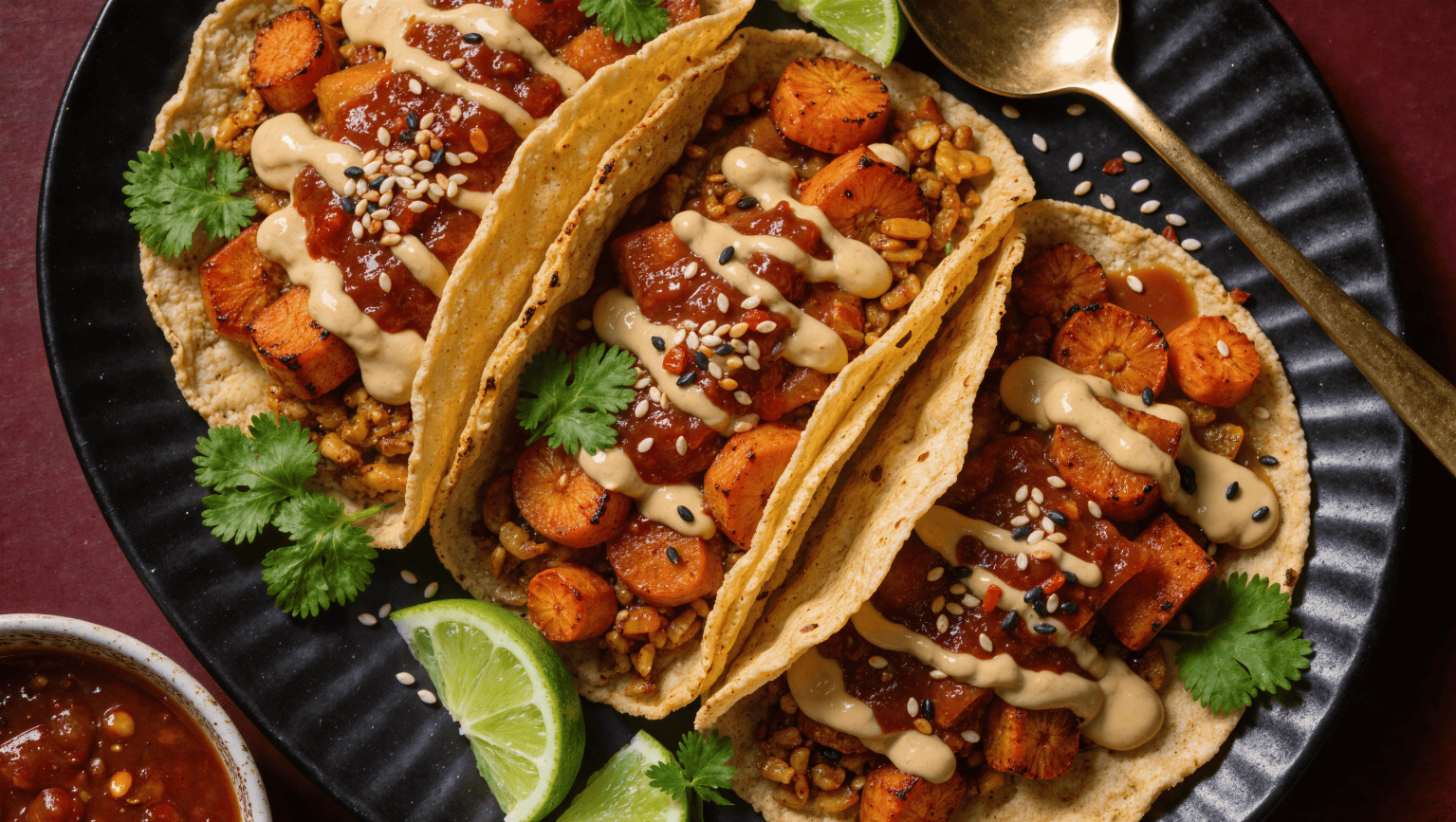
Most food that gets thrown away was still perfectly good. It was thrown away because it was Wednesday and it was still Sunday’s dinner, and nobody in the house could face it a third time.
Which means the leftovers problem is not a storage problem or a safety problem. It is a problem of sameness, and it has a straightforward solution that has nothing to do with containers.
Getting tired of a dish is a real mechanism, not a character flaw
Appetite for a specific food drops sharply as you eat it, while appetite for a different food stays intact. It is why there is always room for dessert after a plate you could not finish, and it operates across days as well as within a meal.
So the fourth serving of the same braise is genuinely less enjoyable than the first, no matter how good the braise was. Planning as though it will not be is how the container ends up in the bin.
The trick is not to make the food last longer. It is to make it arrive as a different thing.
Four axes, and moving along one of them is usually enough
A dish can be changed in temperature, in format, in cuisine or in texture. Move it along one and it reads as a variation. Move it along two and most people at the table will not connect it to Sunday at all.
None of these requires cooking anything new. They are all decisions about how the existing food is presented.
Temperature is the cheapest of the four
Hot roast becomes cold sliced meat with mustard and pickles. Hot rice becomes a cold rice salad. A braise, chilled, becomes a filling rather than a stew.
It also sidesteps the entire second-cooking problem, because reheating muscle meat is where most of the damage happens. Serving it cold skips that step and frequently produces a better plate.
What cold food needs is compensation. Perception of salt and aroma both drop as temperature drops, so the cold version wants more salt and considerably more acid than the hot one did.
Format changes what the same food feels like
Whole, sliced, shredded, chopped, blended. Each step down that list makes the same ingredient read as a different one.
A roast chicken is a joint on Sunday, shredded into tacos on Monday, chopped through a grain bowl on Tuesday and blitzed into a soup on Wednesday, and at no point does anyone eat the same thing twice. The meat has not changed at all.
This is also why storing components rather than dishes works so well: a component has not committed to a format yet, and a plated dish has.
Cuisine is the biggest lever and it lives in the condiments
Plain cooked chicken and plain cooked rice become four different dinners depending on nothing but what is added at the end.
Soy, ginger and scallion make one thing. Lime, fish sauce and cilantro make another. Cumin, lime and a warm tortilla make a third. Stock, lemon and a lot of dill make a fourth. The base was identical in all four cases.
Which is the argument for a shelf of assertive things that keep more or less forever — vinegars, fish sauce, chili crisp, mustard, miso, preserved lemon, a good pickle. They cost little, they do not spoil, and they are what makes a neutral component into a specific dinner rather than a repeat.
Texture is what leftovers actually lose
A dish that was crisp and soft together arrives the next day soft and soft. The flavor is mostly intact; the contrast is gone, and contrast is a surprisingly large share of why food is interesting.
So the second dinner needs something added rather than something restored. Toasted breadcrumbs, which stale bread makes better than fresh. Fried shallots or garlic. Toasted nuts or seeds. Raw celery, radish, cabbage or apple through something soft. A pickle on the side.
Almost every leftover improves more from a handful of crunch than from any amount of careful reheating.
Reseason as though it were new food
Salt and acid both fade in storage, aromatics disappear entirely, and fat that has firmed in the refrigerator carries flavor less well.
So taste before serving and expect to add salt, acid and something fresh. Salt added at the last second sits on the surface and reads loudest, which is exactly what a tired dish needs. A squeeze of lemon, chopped herbs and a little raw allium do more for day-three food than any technique.
Five transformations that cover almost everything
Roasted or grilled meat goes into something handheld with acid and fat: a sandwich, a taco, a wrap, with pickles and something creamy.
Cooked grains either get fried hard in a wide pan with an egg, or dressed while warm and eaten cold as a salad. Both are better than reheated grains.
A braise becomes a sauce. Shredded into its own liquid, reduced, and tossed through pasta or spooned onto polenta, it is a different dish that happens to be made of the same pot.
Roasted vegetables go three ways: blitzed with stock into a soup, folded into eggs, or blended with yogurt and lemon into a dip.
Anything at all becomes soup, which is the universal answer and therefore the least interesting one. Keep it last, and when you use it, build it in layers rather than just adding water, or it will taste like what it is.
Some things should not be transformed, they should be finished
Anything whose entire appeal was a crisp surface eaten within minutes — fried food, a fresh crust, a delicate fish — is not a candidate for any of this. It is a candidate for being eaten cold, standing in the kitchen, which is an honorable end.
Not everything deserves a container, and deciding whether you are crisping it or moistening it is the question that tells you whether there is anything to work with.
Decide the second dinner before you cook the first
All of this is easier if the move was planned, because the first meal can be cooked to leave the right raw material.
Cook the grain plain and dress the portions. Leave half the meat unsliced. Pull some of the vegetables out early and underdone so they can be finished into something else. Cooking for two without eating the same dinner four nights is entirely this, done on purpose.
The container in the refrigerator is not a portion of Sunday. It is an ingredient with a head start, and the only thing that makes it feel like an obligation is serving it back in the shape it arrived in.
Part of Kitchen Systems.
Where this goes next

