Mise en Place Is a Scheduling Tool, and Prepping Everything Is the Wrong Version of It
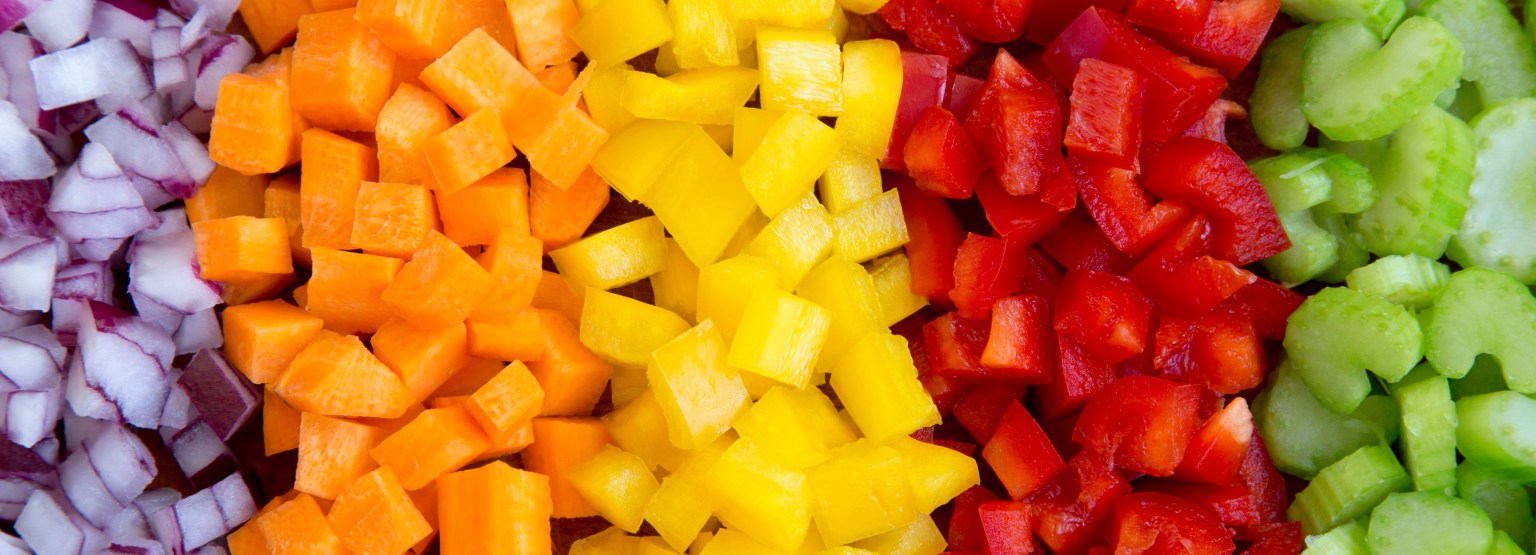
Chop everything first. Put it all in little bowls. Then cook. It is the most repeated piece of advice in cooking instruction and for a great many home dishes it makes dinner later, dirties eight extra bowls, and produces a pile of vegetables oxidizing on a board while nothing is on the heat.
The principle is sound and the version most people were taught is a copy of a solution to a different problem.
A restaurant is solving a queue. You are solving one dinner.
In a professional kitchen the orders arrive unpredictably and all at once, and there is no time during service to do anything but cook. So everything that can be done in advance is done hours earlier, by someone whose whole shift is that.
At home there is one order, you know what it is, and you know when it needs to be ready. The constraint is not unpredictability. It is that some steps have windows too short to prepare anything in, and others have windows long enough to prepare a great deal.
So the home version of the rule is not prepare everything. It is prepare whatever the pan will not wait for.
The test is the gap between one step and the next
Read down the method and ask, at each step, how long the pan is unattended before the next thing goes in.
Thirty seconds of gap means whatever comes next must already be cut. Twenty minutes of gap is twenty minutes of prep time you were about to waste standing still.
That single question sorts every ingredient into one of three groups and the sorting takes less time than chopping one onion.
Group one: ready before anything gets hot
Aromatics that go into hot fat and burn in ninety seconds. Spices for blooming, which need to be to hand because the window in the oil is thirty to sixty seconds. Everything in a stir fry, without exception. A premixed sauce that goes in at the end. Anything for a pan sauce, because the fond is darkening while you look for the shallot.
These are the steps where the pan is the boss and the cook is keeping up. A stir fry is the extreme case: once the pan is at temperature you have seconds, and any time spent finding the soy sauce is time the garlic spends burning.
Group two: done while something else cooks
The vegetables for a braise, which go in after the meat has browned for ten minutes. The grain that goes on later. The salad. The garnish. Anything whose moment is more than a few minutes away.
Cutting these before the pan is on is not preparation, it is delay. The braise could have been browning for that entire twelve minutes, and the evening would end twelve minutes earlier.
Group three: deliberately late, because they degrade
Chopped tender herbs oxidize and dull within minutes. A dressed salad wilts. Cut apple and avocado brown. Grated cheese dries. Garlic minced half an hour ahead is sharper and more aggressive than garlic minced at the moment it goes in.
Tearing basil at the last second rather than chopping it early is the clearest case, and it is exactly the instruction that a chop-everything-first habit violates.
Start the longest-lead thing before you prep anything at all
Oven on. Water on. Grains in. Onions started. Oil heating.
Every one of those runs without you, and every minute they are not started is a minute added to the end of the evening rather than the middle. The only scheduling rule a weeknight needs is this one, and it comes before the knife work rather than after it.
Which also means the preheat is step zero rather than step one. Fifteen minutes of oven preheat that happen during the chopping are free; fifteen that happen after it are fifteen minutes of standing in a kitchen.
Batch the cuts, not the ingredients
Where prep genuinely is needed, do all of it in one session with one board and one knife, working from the things that stay clean toward the things that do not — herbs and vegetables before raw meat, mild before pungent — so the board gets washed once rather than five times.
And group the bowls by when things go in rather than by what they are. Everything that hits the pan at minute one shares a bowl. That is one bowl instead of four, and it removes the possibility of forgetting the third item while the first two are browning.
Read it backwards before any of this
None of the sorting above is possible without knowing what the sequence actually is, and the sequence is not visible from reading forwards.
Reading a recipe backwards once surfaces the overnight rest, the thing that has to be cool before it is used, the sauce that must be made while the meat rests. Those are scheduling facts, and they change what belongs in group one.
Where full preparation really is required
Anything at high heat with a hard sequence: stir fries, anything in a very hot pan, deep frying, a risotto once the stock is going.
Baking, all of it. Once a leavened batter is mixed the clock has started, and a soda-leavened batter is losing lift while you grease the tin. The oven should be at temperature and the tin should be prepared before the wet meets the dry.
And hosting, where the number of simultaneous demands starts to look like a restaurant’s. Building the menu backward from the last half hour is the same reasoning applied to an evening rather than a dish.
Use the passive windows for the washing up
The braise that needs an hour, the oven that needs forty minutes, the dough that needs to rest — those are not gaps in the cooking. They are the cleaning shift, and a kitchen that is tidy when the food comes out is a kitchen where the cleaning happened during the parts where nothing required attention.
Which is the whole idea, stated once: mise en place is not about having everything ready. It is about knowing which minutes are free and which are not, and spending the free ones on purpose.
Part of Recipes & Technique.


