A Home Stir Fry Fails for Three Reasons and All Three Are Water
The restaurant version is dry-edged and faintly smoky. Yours is grey and swimming. The burner is only part of it, and the parts you can control are worth more than the part you cannot.
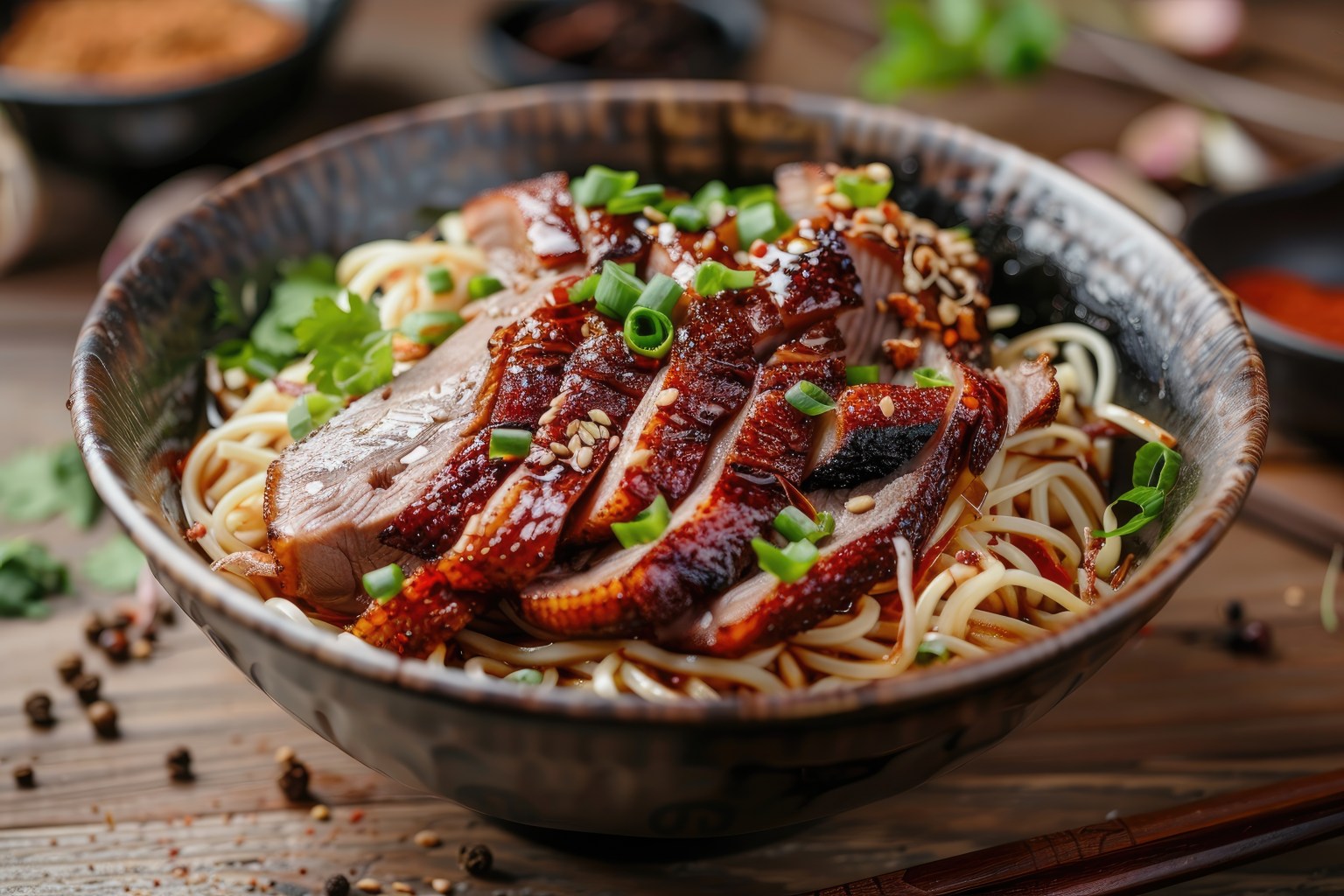
The restaurant version comes out with browned edges, separate pieces and a faint smokiness. The home version comes out grey, wet, and pooling in the bottom of the pan.
The usual explanation is the burner, and the burner is real. A commercial wok range puts out many times the heat of a domestic ring. But the burner is the one variable you cannot change, and it is not the only thing going wrong — the other two are entirely yours, and fixing them gets you most of the way there.
Everything that goes in the pan is mostly water
This is the frame that makes the rest make sense, and it is the same frame as a sear.
Vegetables are eighty to ninety-five percent water. Meat is around seventy. A marinade adds more. A rinse adds more still. All of it has to leave before anything can climb past the boiling point and start to brown.
A pan that is at 450°F and then receives a pound of wet vegetables all at once is not at 450°F any more. It is at a little over boiling, with a lid of steam sitting on it, and it will stay there until the water is gone — by which point everything is cooked through and nothing has browned.
Reason one: everything went in at once
The fix is batches, and it is the single largest improvement available.
Protein first, in one layer, left alone for thirty seconds before the first toss, then out of the pan. Hard vegetables next. Soft vegetables after. Everything back in at the end for twenty seconds with the sauce.
Three quick rounds instead of one long one, and the pan is hot at the start of each. The whole thing still takes under ten minutes and it is a completely different dish.
A crowded pan has the same problem in a stir fry that it has anywhere else, and it is worse here because the whole method depends on the pan staying hot.
Reason two: it went in wet
Dry everything. Not blotted — dry.
Vegetables that were washed go in a towel or a spinner. Protein out of a marinade gets the marinade scraped off and the surface patted. Tofu gets pressed. Frozen anything gets thawed and dried, since a thawed ingredient sheds far more liquid than a fresh one.
Mushrooms are the special case and they are the most common culprit: they hold enormous amounts of water and release it for several minutes no matter what you do, so they get their own batch or they flood the pan.
Reason three: the pan is the wrong shape for the stove
A round-bottomed wok is engineered for a ring of flame that wraps up its sides. On a flat domestic hob, only a small disc at the bottom is in contact with the heat, and the sloping sides are a cool zone where food goes to steam.
A flat-bottomed carbon steel skillet, as wide as the burner will heat evenly, beats a wok on almost every home stove. Carbon steel specifically, because it heats fast, takes very high heat, and builds the seasoning that keeps things moving.
Preheat it until a drop of water skitters rather than sits. Then the oil, then the food, in that order, so the oil spends seconds at temperature instead of minutes.
Velveting is the technique worth stealing
Thin strips of meat tossed with a spoonful of cornstarch, a little soy and sometimes egg white before cooking. Twenty minutes, or even five.
The starch binds the surface moisture so it does not flood the pan, it forms a thin barrier against the direct heat that would otherwise seize the proteins, and it gives the sauce something to grip at the end. It is the reason restaurant chicken is silky and home chicken is stringy, and it costs nothing.
For beef, a small amount of baking soda in the mix goes further: raising the pH keeps the muscle proteins from bonding as tightly, which reads as tenderness. A quarter teaspoon per pound, rinsed after fifteen minutes, and no more — the same caution that applies to baking soda anywhere else, which is that a little is transformative and a lot is soapy.
The sauce is premixed and it goes in last
Stirred together in one bowl beforehand: the soy, the vinegar, the sugar, the aromatics, and a teaspoon of cornstarch in a little cold water.
Poured around the edge of the hot pan in the last twenty seconds, it hits metal, thickens on contact and coats everything. Added ingredient by ingredient with the food in the pan, it cools everything down, steams, and pools.
The starch is not optional here for the same reason it is not optional in finishing pasta: something has to make the sauce cling rather than run to the bottom of the bowl.
Everything is cut and within reach before the pan is hot
Mise en place gets taught as professionalism and here it is simply physics. Once the pan is at temperature you have seconds, not minutes, and any time spent finding the soy sauce is time the garlic spends burning.
Everything cut, everything in bowls, the sauce mixed, the plate ready. The cooking is the short part and the setup is the method.
The honest part about wok hei
That specific smoky note comes from oil and food compounds aerosolizing above a very hot surface and igniting in the air above the pan. It requires a level of heat a domestic stove cannot produce, and no amount of technique substitutes for it.
Which is worth saying plainly, because chasing it is how people end up disappointed with a dish that was actually good. What you can produce at home is dry, hot, fast and properly browned, with separate pieces and a sauce that clings.
That is not restaurant stir fry. It is an excellent fifteen-minute dinner, and it belongs firmly in the twenty-minute shape, which is the shape most weeknights actually are.
Part of Recipes & Technique.


