Private-chef visit planning: from menu approval to kitchen handback
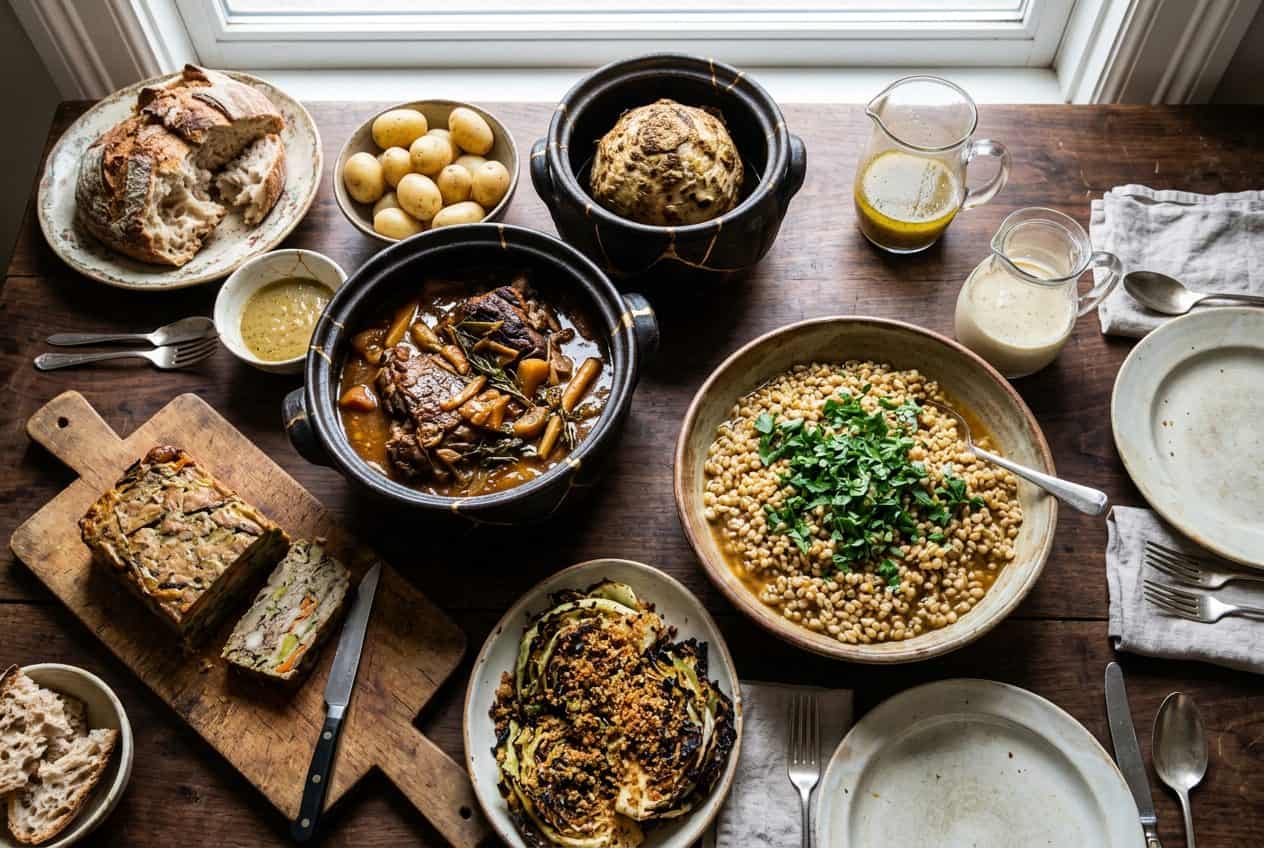
A private-chef dinner begins before the kitchen door opens. The menu conversation, the shopping, the packing and the drive all belong to the visit. So do the last pan, the agreed kitchen reset and the message that closes the job.
A useful visit record connects that whole sequence. It preserves the household’s established preferences while making today’s facts explicit: who is eating, which menu was approved, what the kitchen can support, what has changed and who can approve a different plan.
Keep a household record and a separate visit record
The household record holds information that is likely to recur: preferred service style, usual arrangements, reported requirements and practical kitchen notes. The visit record holds the date, guest count, agreed menu, service window and current scope. Link the two with a reference rather than copying sensitive details into every printable sheet.
Confirm what has changed since the previous service. A familiar kitchen may be occupied by another cook, have less refrigerator space, or need to be handed back earlier. A returning client’s usual guest count is not confirmation of this week’s count.
Use simple evidence labels where they help: observed, reported, sourced, inferred or unknown. “Client says two shelves are free” and “two shelves checked on arrival” are different states. Give any unresolved condition an owner and a decision time before it becomes part of the plan.
Approve a menu the kitchen can deliver
Record the menu revision, quantities and approval together. Keep the reasoning behind quantities: service role, expected take-up, portion assumption, recipe yield and any reserve. A plated course and food left for later need different records even when they use the same recipe.
Check the equipment and space needed for that menu. Which oven is available? What else occupies the burners? Where will prepared components, service plates and used cookware go? What do you bring, and what has the household agreed to provide? Check the practical condition that matters, not just whether an appliance appears in a photograph.
Use the Host Load Check to examine competing work and the Service Window to examine the service sequence. The kitchen plan should identify tasks that need the same person or resource at the same moment. If the plan depends on an unconfirmed appliance or helper, it is still pending.
Set grocery and change authority
Write whether groceries are included in the fee, reimbursed at cost, or billed using an agreed markup. Identify the spending authority and what happens when an ingredient is unavailable. Keep reimbursement, service fee and any approved additional work identifiable in the record.
Before accepting a guest-count or menu change, check its effects on purchasing, batches, packing, time and cleanup. Record who approved it and which revision replaces the old plan. The instruction to buy more should reach the same record that controls the menu and the fee.
Dietary requirements need a current reference and a clear route for resolving questions. A checklist or automated warning can only work from the information entered. Do not treat an empty warning field as confirmation that every ingredient and preparation condition has been checked.
Count the work outside service
Record planned and actual time for menu and client coordination, shopping and off-site prep, travel and load-in, on-site cooking and service, cleanup, handback and follow-up. Use mutually exclusive categories so the same hour is not counted twice. If two people work for one hour, record whose time and cost the calculation uses.
For a fictional visit, a $600 fee and $180 grocery reimbursement produce $780 received before any tax treatment. Groceries cost $180 and other recorded direct costs $30, leaving $570 before overhead and tax. Across ten owner hours, that is $57 per owner hour. Leaving out two hours produces an apparent $71.25. The visit did not become better paid; the record became incomplete.
That example does not also deduct an owner-wage allowance. If you use such an allowance elsewhere, state it and avoid charging the same owner time twice in the calculation. Compare visits using the same cost and time boundaries.
Finish with an agreed kitchen handback
Describe the handback before service: what will be cleaned, what will be put away, who receives any remaining instructions, and what happens to an unresolved issue. Keep the relevant food-handling directions in the procedures used for the job. Do not let a generic “finished” checkbox substitute for an agreed scope.
At closeout, record the actual departure, remaining action, person responsible and follow-up time. Then capture one useful observation for the next comparable visit: a smaller finished yield, a bottleneck at the sink, extra coordination, an unused component, or a preference the household confirmed.
Update the household record only when the observation belongs there. A one-off request should not silently become a permanent preference. Keep the original visit evidence so you can distinguish a repeated pattern from a single evening.
Use the private-chef workbook with a clear boundary
The Private Chef Business Command Center already holds households, visits and menu history. Its current visit calculation uses the entered on-site, shopping/prep and driving hours, and deducts groceries and mileage. Costs and time outside those entries need a deliberate additional record. Its “Real hourly” result should not be read as net profit after all business expenses.
The editable Service planning and review companion adds a visit brief, kitchen evidence, full-work time prompts, change approvals and closeout. It supports the existing workbook; it does not automatically synchronize with it. Product listings identify the currently delivered files.
For the economics behind a service quote, read Catering job costs: what the quote must cover. For a reusable blank work unit, use the free readiness and handoff sheet.
Method and scope
The cost distinction follows the SBA’s explanation of contribution and fixed costs, reviewed September 27, 2026. The visit workflow is an editorial operating method and the numbers are invented examples, not rates, earnings claims or customer results. Apply the local requirements and professional procedures relevant to your service.
Part of Hosting & Service.
Where this goes next

