Milk and Cream Break in Different Ways, and the Fat Percentage Is the Whole Explanation
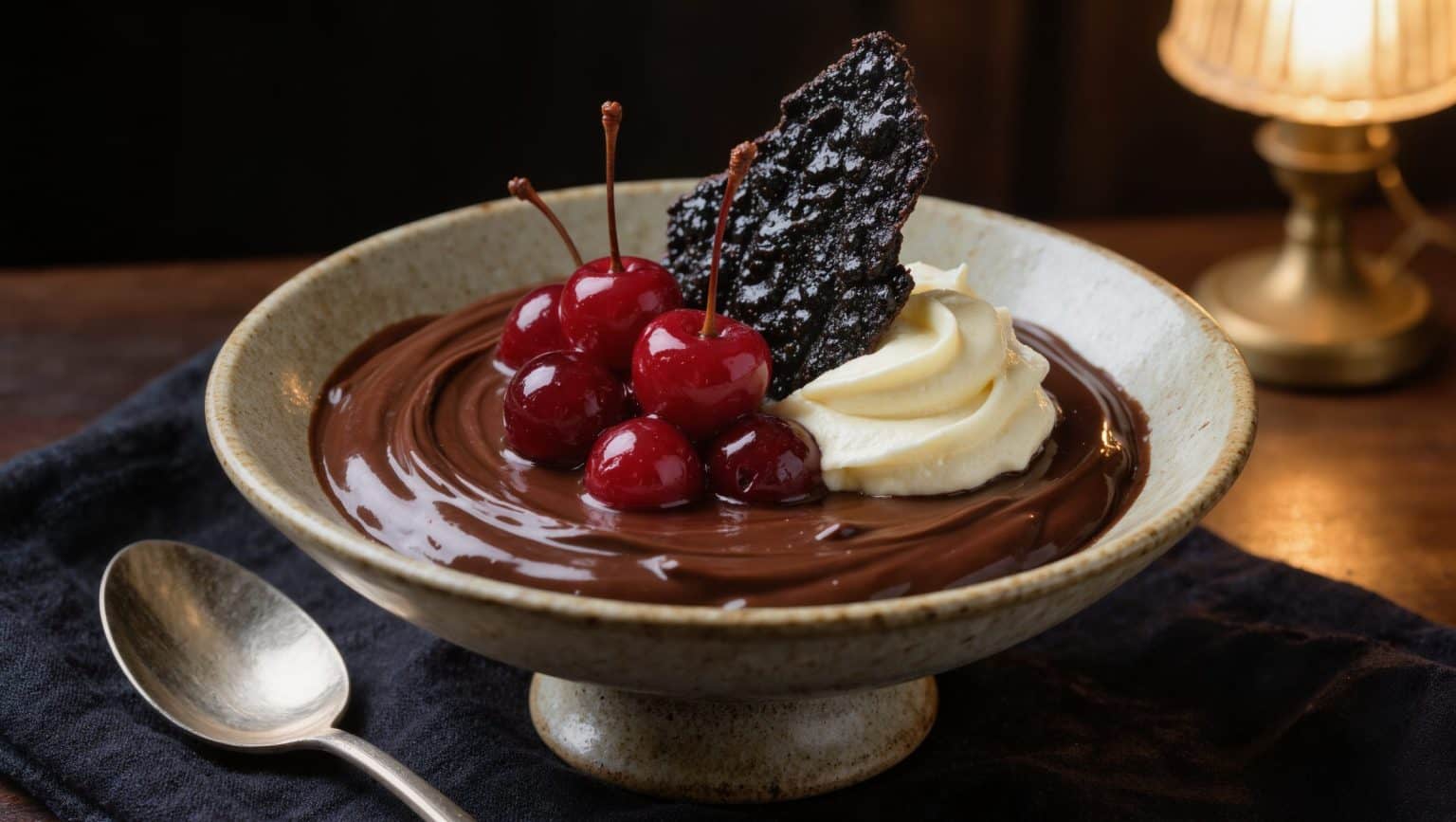
A squeeze of lemon into a cream sauce does nothing. The same squeeze into a milk sauce turns it grainy in seconds. Cream can be boiled hard; milk cannot. The standard advice — never boil dairy, never add acid to dairy — is wrong in one direction and right in the other, and the thing that decides which is the number on the carton.
What dairy is, structurally
Fat droplets suspended in water, with protein dispersed through the water phase. Two proteins do all the work.
Casein travels in clusters held apart by electrical charge. Whey protein is dissolved and is the one that responds to heat.
Curdling is the casein clusters losing that charge and clumping into visible grains, and three things cause it: acid, heat, and to a lesser extent salt and tannin. Acid is the fastest and heat accelerates whatever the acid is doing.
Fat is the buffer, and that is the whole rule
The more fat there is, the less protein there is per unit volume, and the more physical separation there is between the protein clusters. They collide less and clump less.
Approximate figures explain nearly every kitchen outcome. Whole milk sits around three and a half percent fat. Half-and-half around ten to twelve. Single or light cream around twenty. Heavy cream at thirty-six percent or more.
So heavy cream tolerates boiling, reduction, wine, lemon and tomato. Milk tolerates almost none of it. Half-and-half is exactly in the middle and behaves unpredictably, which is why it is the one people get caught out by.
The practical consequences, in order of usefulness
Use cream when acid or long heat is involved. Not for richness — for stability. A tomato and cream sauce works and a tomato and milk sauce curdles.
Temper. Add a little of the hot liquid to the cold dairy, then return it. Pouring cold milk into a hot pan overheats the portion it lands on, and set protein does not un-set.
Add the acid to the dairy, not the dairy to the acid. Diluting a small amount of acid into a large volume of dairy keeps the local concentration low; the reverse drops dairy into a pool of acid and curdles it on contact.
Add dairy at the end, off the boil. Once it is in, the sauce is finished and should not be reduced further.
Or stabilize it with starch. A spoonful of flour or cornstarch physically interferes with the proteins finding each other, which is why a bechamel — milk plus a roux — is far more robust than milk alone, and why a starch custard cannot break while a plain one can.
Whipping has a hard threshold
Cream whips because the fat globules partially coalesce around air bubbles and form a network. Below roughly thirty percent fat there is not enough of it and nothing holds, which is why light cream will not whip however long it is beaten.
Cold matters for the same reason: the fat has to be solid enough to build a structure. Cold bowl, cold beaters, cold cream.
Past the peak it goes grainy and then separates into butter and buttermilk, because the fat has fully coalesced. Whipping is controlled damage and the control is the point, and butter is what happens when the control stops.
Reduction separates them completely
Cream reduces beautifully: the water leaves, the fat concentrates, and the sauce thickens and coats.
Milk reduced hard separates, because the proteins concentrate faster than the fat can buffer them and they find each other. Anything that wants a reduced dairy sauce wants cream, and substituting milk to lighten it does not produce a lighter sauce — it produces a broken one.
Cultured dairy is a different case again
Yogurt, sour cream, creme fraiche and buttermilk are already acidic, so their casein is part way to clumping before anything happens to them.
The higher-fat ones survive heat and the lean ones split on contact with it. They are acid you can spoon, and they all break the same way — which means they go in off the heat, or stabilized with starch, or not at all.
The substitutes and how they behave
Evaporated milk is concentrated and heat-treated, which makes it unusually stable — it takes heat and acid far better than fresh milk at a similar fat level.
Coconut milk is a different emulsion held together by different compounds. It separates at high heat and usually comes back with stirring, and it tolerates acid well.
Plant milks vary enormously. The ones that curdle in coffee are meeting acid and heat at once with very little to buffer them; barista versions contain added stabilizers for exactly that reason.
And the instruction to scald milk, which is mostly obsolete
Recipes still say to bring milk almost to a boil before using it. The original reason was to kill enzymes and organisms in unpasteurized milk, and pasteurization has handled that for a long time.
One real reason survives, in bread. Whey proteins in unscalded milk interfere with gluten development and produce a weaker dough; heating deactivates them. So scald the milk for an enriched bread, and skip it everywhere else except where you simply want it hot.
Keeping it
Dairy has a short clock and it is spent fastest in the warmest place in the refrigerator, which is the door — exactly where most households keep the milk. The door, the shelves and the drawers are four different climates, and moving the carton to the back of a middle shelf buys real days.
And the date on it is worth reading properly. Fresh milk is one of the few things where the nose is genuinely reliable, because what spoils it announces itself long before it matters.
Part of Kitchen Systems.
Where this goes next

